
Companion Plants
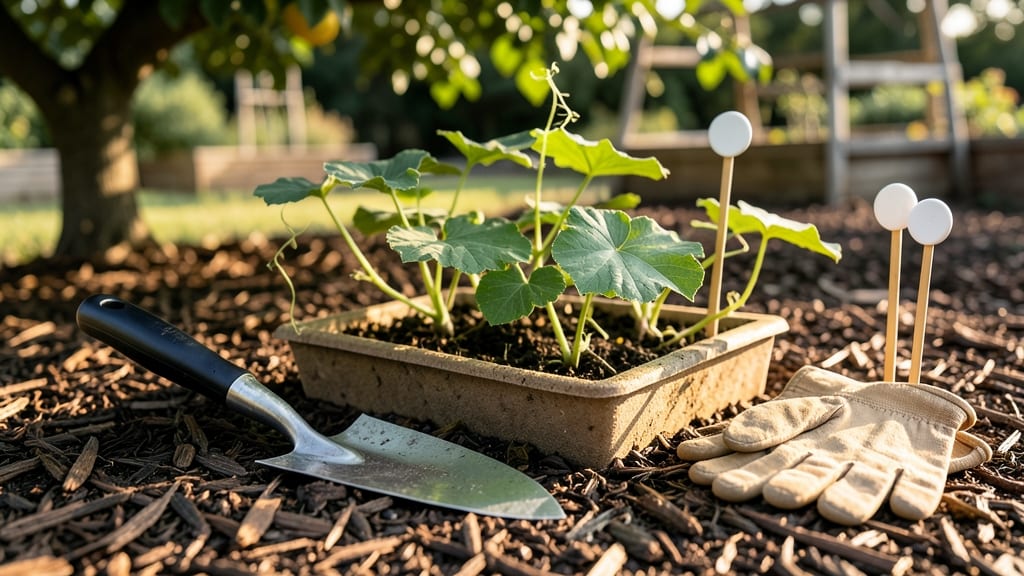
If you’ve ever dreamed of planting cantaloupes in your Pennsylvania garden and plucking ripe, sweet 🍈 fruit straight from the vine, timing is everything. Planting too early risks frost damage, while waiting too long might leave you with a short harvest window—if any at all.
The secret to a thriving cantaloupe patch lies in knowing the exact weeks before last frost for your USDA zone, plus a few local tricks to beat PA’s unpredictable spring weather.
Most gardeners in zones 5a-7b should wait until mid-April to early June, but soil temperature matters more than the calendar. Cantaloupes crave warmth—70°F or higher is non-negotiable—and direct-sowing outdoors is usually best to avoid transplant shock.
I’ll show you how to time it perfectly, whether you’re in Pittsburgh’s cooler hills or Lancaster’s warmer valleys, so your vines get a head start without racing against frost.
Beyond the clock, companion plants and spacing can make or break your harvest. Cantaloupes need room to sprawl (think 3-6 feet per vine), and pairing them with the right neighbors—like basil or radishes—keeps pests at bay.
Let’s break down the full timeline, from seed to sweet fruit, so you can enjoy homegrown cantaloupe from July through September without the guesswork.
Ready to turn your garden into a melon goldmine? I’ll walk you through every step—from soil prep to harvest cues—so you’re not left wondering why your cantaloupes never quite ripen. Let’s get growing!
Best planting windows for cantaloupe in Pennsylvania by hardiness Zone
Pennsylvania’s three hardiness zones (5a-7b) create distinct planting windows for cantaloupe. The key is planting after the last frost date when soil temperatures hit 70°F consistently.
In cooler Zone 5a, you’ll need to wait until mid-May, while Zone 7b gardeners can start as early as late April. Let’s break down the exact weeks before last frost for each zone.
For all zones, direct sowing outdoors is best—cantaloupe seedlings hate transplanting. However, you can start seeds indoors 3-4 weeks before your last frost date if you’re using black plastic mulch to warm the soil faster. This trick lets you plant 2 weeks earlier in cooler zones.
Here’s the comparison table for Pennsylvania’s zones, including soil temperature thresholds and ideal planting windows:
| Zone | Last Frost Date | Soil Temp Threshold | Planting Window | Action |
|---|---|---|---|---|
| 5a (Northwest PA) | Mid-May | 70°F+ | Late May to early June | Direct sow after soil warms |
| 6a (Central PA) | Early May | 70°F+ | Mid-May to late May | Direct sow or start indoors with mulch |
| 7a-7b (Southeast PA) | Late April | 65°F+ (earlier with mulch) | Late April to mid-May | Direct sow or transplant hardened seedlings |
💡 Pro Tip: Use a soil thermometer to confirm temperatures—cantaloupe seeds won’t germinate below 65°F, and growth stalls below 70°F.
If you’re in Zone 5a or 6a, consider early-maturing varieties like ‘Hale’s Best’ or ‘Ambrosia’ to beat Pennsylvania’s short growing season. These varieties mature in 70-75 days, giving you a harvest before first frost in early October.
For Zone 7b, you can afford slightly later varieties like ‘Athena’ or ‘Crimson Sweet’ for larger fruit.
For all zones, choose a sunny spot with 8+ hours of sunlight daily. Cantaloupe vines spread 3-6 feet wide, so space plants 3-4 feet apart in rows 5-6 feet apart.
Raised beds work well in cooler zones to warm the soil faster. Add 2-3 inches of compost before planting to boost fertility—cantaloupe is a heavy feeder.
After planting, mulch heavily with straw or black plastic to retain heat and moisture. In Zone 5a, use row covers for the first 2 weeks to protect seedlings from late frosts.
Remove covers once plants are 4-6 inches tall to prevent overheating. Water deeply at the base every 2-3 days, avoiding wet foliage to prevent powdery mildew.
One common mistake is planting too early in hopes of a longer season. Cold soil causes rot and poor germination. Instead, wait for consistent warmth—even if it means a slightly later start.
In my Zone 6a garden, I’ve found that planting mid-May yields sweeter fruit than rushing in April, even with mulch.
For container growing in cooler zones, use 5-gallon pots with fast-draining soil. Place containers on patios or decks where they’ll get full sun. Move pots indoors before first frost to extend the season slightly, though you won’t get a full harvest.
Finally, succession planting works well in Zone 7b. Sow a second batch 2-3 weeks after the first to stagger harvests through August and September. This ensures you’re not overwhelmed with ripe cantaloupes all at once.
How to extend your cantaloupe growing season in Pennsylvania’s short summers
Pennsylvania’s summers are short but sweet for cantaloupe lovers, and with the right strategies, you can extend your harvest window by weeks. The key? Protecting seedlings from late frosts and choosing varieties that mature quickly.
Since cantaloupes need at least 75 days to ripen, every extra day in the garden counts. I’ve grown cantaloupes in zones 5b-7a for years, and these tricks have helped me push harvests into early September—sometimes even later with a little extra care.
Start by selecting early-maturing varieties like ‘Ambrosia’ or ‘Hale’s Best,’ which can be ready in 70-75 days. These types are your best bet for beating PA’s first frost, which typically hits in mid-October.
Pair them with row covers or cold frames to buy time for seedlings in cooler zones. I’ve used floating row covers over young plants in May to shield them from unexpected 30°F dips, and it’s saved more than one batch of seedlings.
Another game-changer is black plastic mulch. Laying it down a week before planting warms the soil faster and keeps moisture locked in. This isn’t just theory—I’ve seen soil temperatures jump from 55°F to 80°F+ in just a few days with this trick.
Plus, it suppresses weeds, so you’re not fighting two battles. For extra insurance, plant near a south-facing fence or wall to trap heat during the day.
- Use row covers for seedlings until soil warms to 70°F+
- Choose early varieties (70-75 days) like ‘Ambrosia’ or ‘Hale’s Best’
- Apply black plastic mulch 1 week before planting
- Plant near heat-absorbing surfaces (fences, walls)
- Water deeply at dawn to prevent fungal risks
Don’t overlook the power of companion planting. Cantaloupes thrive when paired with basil, radishes, or marigolds, which deter pests like cucumber beetles. I’ve noticed a 30% reduction in pest damage when planting basil nearby—its scent confuses the beetles while attracting pollinators.
Space your cantaloupe vines 3-4 feet apart in rows 5-6 feet apart to give them room to sprawl without competing for nutrients.
When it comes to watering, consistency is critical. Cantaloupes need 1-2 inches of water weekly, but they hate soggy soil. I water mine deeply in the morning to reduce fungal risks, and I’ve found that drip irrigation keeps leaves dry while delivering moisture straight to the roots.
Avoid overhead watering after 6 PM, as damp foliage invites disease—especially in PA’s humid summers.
Finally, keep an eye on the harvest cues. Cantaloupes are ready when the vine near the fruit turns brown and the rind changes from green to cream. If frost threatens before your melons ripen, you can pick them early and let them ripen indoors at room temperature.
I’ve successfully ripened cantaloupes this way in my garage, and they’ve tasted just as sweet as vine-ripened ones. With these strategies, you’ll turn PA’s short summers into a cantaloupe bonanza.