
Plants
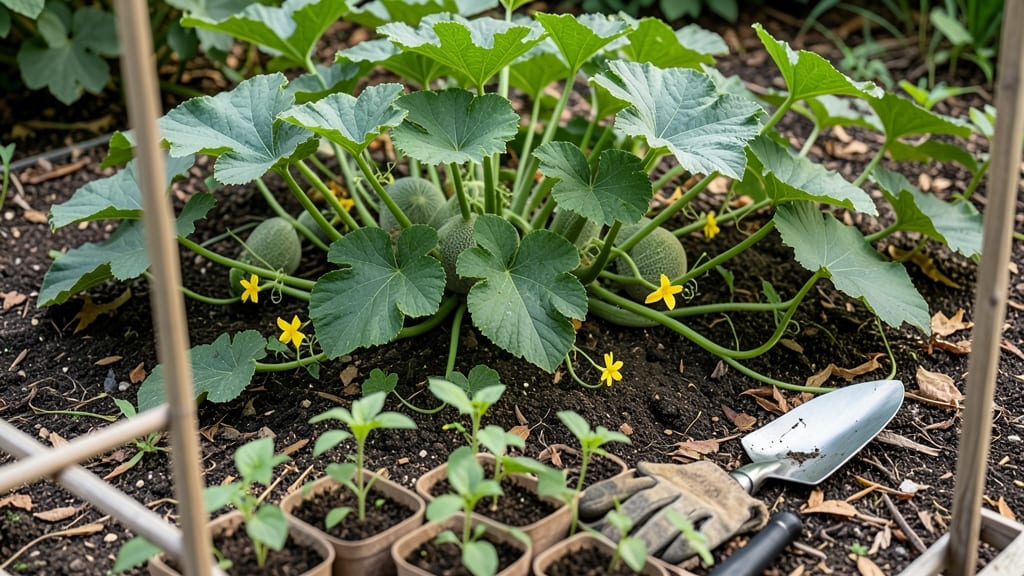
Timing your cantaloupe 🍈 planting in Florida isn’t just about the calendar—it’s about the soil’s hidden temperature triggers that most gardeners miss. Skip this step, and your seeds might sprout too late, leaving you with bitter melons instead of sweet rewards.
Here’s the secret: Florida’s frost-free climate means you’ve got two prime chances to plant—spring and summer—but only if the soil hits 70°F or warmer. Too cool, and your vines will struggle; too hot, and they’ll bolt before fruiting.
I’ll show you exactly when to start seeds and how to keep your cantaloupe thriving through the heat.
Whether you’re in North Florida’s cooler pockets or South Florida’s steamy zones, the right variety and planting window can mean the difference between a failed harvest and a bounty of juicy melons by summer’s end. Let’s dive into the exact dates and heat-tolerant tips that work in Florida’s climate.
You’ll learn which cantaloupe varieties handle Florida’s humidity best, how to prep your soil for maximum germination, and the critical mistakes that kill cantaloupe plants before they even produce fruit. Ready to turn your garden into a melon patch?
Optimal planting windows for Florida cantaloupe based on soil temperature
Florida’s frost-free climate means cantaloupe can grow year-round, but soil temperature dictates the best planting windows. Cantaloupe seeds need soil temps of 55°F+ to germinate, but they thrive best when soil reaches 70°F+ for vigorous growth.
Since Florida’s climate varies dramatically from North to South, timing matters—plant too early, and your vines will struggle; too late, and you’ll miss peak harvests.
For spring plantings, aim for February to early March in North Florida (Zones 8a-9a) when daytime temps stabilize above 70°F. In Central Florida (Zones 9b-10a), you can start as early as January, while South Florida (Zones 10b-11) gardeners can plant year-round but should prioritize spring and fall for best results.
Summer plantings (July-August) work well in South Florida but risk heat stress in North Florida.
Soil temperature is your best guide—use a soil thermometer to confirm readiness. In Florida, 60°F soil temps may trigger germination, but 70°F+ ensures healthy, fast-growing vines. Morning is the best time to check temps, as soil cools overnight. If your thermometer reads below 65°F, wait—cantaloupe hates cold soil.
Another key factor is humidity. Florida’s high humidity (especially in summer) can promote fungal diseases like powdery mildew. For this reason, fall plantings (July-August) often yield better results in North and Central Florida, avoiding the peak humidity of mid-summer.
In South Florida, where humidity is constant, focus on well-ventilated planting beds and disease-resistant varieties.
Microclimates matter. Coastal areas like Miami or Tampa stay warmer longer, while inland cities like Orlando or Gainesville experience more dramatic temperature swings. If you’re in a cooler inland microclimate, use black plastic mulch to warm soil faster. For coastal gardeners, shade cloth during peak afternoon heat can prevent vine stress.
Here’s a quick rule of thumb: Plant cantaloupe when your local weather forecast predicts 5 consecutive days of 75°F+ daytime temps. This ensures your vines establish roots before facing Florida’s intense summer heat.
In North Florida, this usually aligns with late March to April for spring crops, while South Florida gardeners can start as early as January.
If you’re new to cantaloupe growing, start with spring plantings—they’re more forgiving than summer ones. Florida’s summer heat can cause blossom drop (flowers falling off without pollinating), so focus on consistent watering and shade during peak afternoon heat.
For summer plantings, opt for heat-tolerant varieties like ‘Ambrosia’ or ‘Athena,’ which handle Florida’s humidity better than standard types.
Pro tip: Use row covers for early spring plantings to protect young vines from unexpected cold snaps, even in Florida. While frost is rare, temperatures below 50°F can stunt growth. Monitor your local Florida Automated Weather Network (FAWN) stations for real-time soil and air temps to fine-tune your planting schedule.
Remember, cantaloupe is a warm-season crop, so never plant in winter—even in South Florida. The vines will languish in cooler temps. Instead, treat winter as a rest period for your garden beds, focusing on soil prep for your next spring planting.
With the right timing, you’ll enjoy homegrown cantaloupe in as little as 75 days—sweet, juicy, and worth every minute of planning!
Optimal planting windows for Florida cantaloupe based on soil temperature
Florida’s frost-free climate means cantaloupe can grow year-round, but timing is everything to avoid heat stress or poor germination. The key is waiting for soil temperatures to hit 55°F+ for seeds and 70°F+ for vigorous growth.
In Florida’s USDA Zones 9a-11, this translates to two prime windows: late winter/early spring and mid-summer.
North Florida’s cooler microclimates (like Jacksonville or Gainesville) may need to wait until mid-March for spring plantings, while Central and South Florida (e.g., Orlando or Miami) can start as early as February.
Summer plantings should begin in July to avoid the brutal August heat that can scorch young vines.
🌱 Florida Cantaloupe Planting Timeline
| Region | Spring Planting Window | Soil Temp Trigger | Summer Planting Window |
|---|---|---|---|
| North Florida | Mid-March to early April | 70°F+ | Early July |
| Central Florida | Late February to March | 65°F+ | Late June |
| South Florida | January to February | 60°F+ | June |
💡 Pro Tip: Use a soil thermometer to confirm temps before planting.
For spring plantings, aim to harvest before summer humidity peaks (typically by June). Summer plantings should yield fruit by October to avoid hurricane season disruptions. Transplant seedlings (not seeds) for faster results—Florida’s heat germinates seeds in 5-7 days if soil is warm enough.
Mulch with straw or black plastic to maintain consistent soil temps and reduce weed competition. Avoid planting in low-lying areas where cold air pools, even in Florida. Drip irrigation keeps roots cool and moisture levels ideal during Florida’s 90°F+ afternoons.
If you miss the prime windows, succession plant every 2 weeks in summer for staggered harvests. Just ensure adequate spacing (2-3 feet between vines)—cantaloupes need room to sprawl in Florida’s intense sun. Companion plants like bush beans or radishes can improve soil health without competing for resources.
Remember: Florida’s humidity and heat demand extra care. Morning watering and afternoon shade cloth (30-50%) can prevent blossom drop during critical pollination. With the right timing, you’ll enjoy homegrown cantaloupe from May through November!