
Plants
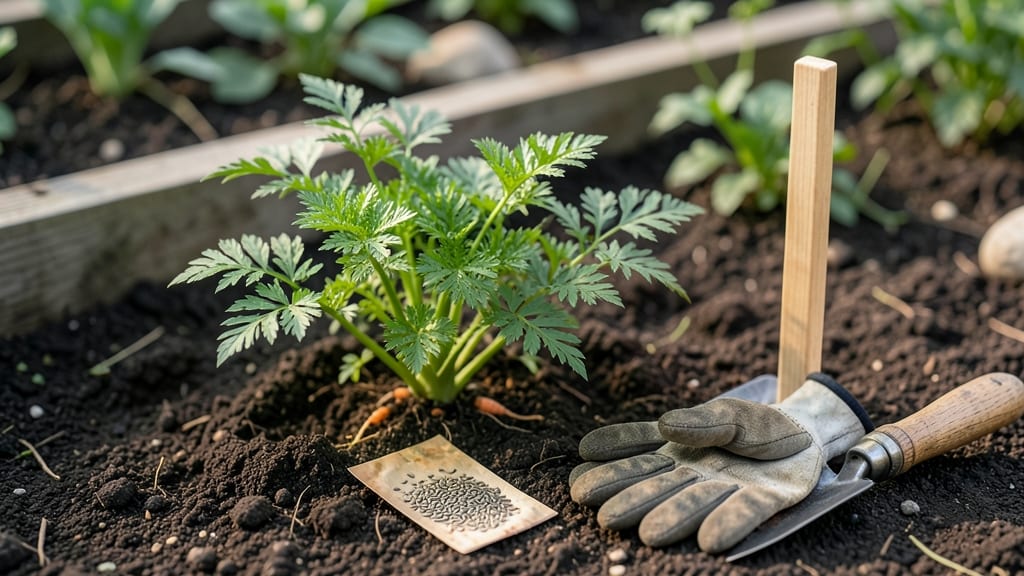
Timing your 🥕 carrot planting in East Texas isn't just about dates—it's about beating the heat and humidity that can turn your hard work into woody, bitter roots.
If you've ever watched your carrot tops bolt into flower or struggled with forking roots in heavy clay soil, you know the stakes are high.
East Texas' USDA Zone 8a climate gives you two prime windows to grow sweet, crisp carrots: late winter and early fall. But getting those dates wrong means dealing with either stunted growth or plants that race to seed before you can harvest.
The key lies in understanding soil temperatures, rainfall patterns, and how your local microclimate—whether you're in Tyler or Lufkin—can shift those perfect planting times by weeks.
What if I told you there's a simple strategy to maximize your carrot yield while avoiding the most common pitfalls?
From choosing the right varieties that tolerate East Texas' heat to adjusting your planting schedule based on last frost dates, we'll cover everything you need to know to go from seed to harvest with confidence.
Let's dive into the exact dates and techniques that will help you grow carrots that are crunchy, sweet, and ready to harvest—without the guesswork. Your garden (and your taste buds) will thank you.
Best planting windows for carrots in East Texas (with exact dates)
Timing is everything when growing carrots in East Texas. The humid heat and heavy clay soils here demand precision—plant too early, and you’ll trigger bolting (flowering) from cool nights; too late, and summer’s 90°F+ temps turn roots woody.
My USDA Zone 8a garden thrives with two key windows: late winter/early spring and late summer/early fall.
For spring plantings, aim for late February to early March once soil temps hit 55°F. This gives carrots 60–70 days to mature before summer’s heat sets in. Meanwhile, fall plantings should start August 1–September 15 to harvest before the November 15 first frost.
East Texas’ microclimates (like Tyler’s cooler hills vs. Lufkin’s flatter heat) can shift these dates by 1–2 weeks—always check your local Texas A&M AgriLife Extension for updates.
| Season | Planting Window | Soil Temp | Days to Harvest | Key Tip |
|---|---|---|---|---|
| Spring | Late Feb–Early Mar | 55–65°F | 60–70 days | Use shade cloth if temps rise above 80°F. |
| Fall | Aug 1–Sep 15 | 65–85°F | 70–85 days | Avoid heavy clay—amend with compost. |
| Summer (Risky) | June–July | 75–85°F (max) | 50–60 days | Use 50% shade cloth and drip irrigation. |
My first successful spring crop came from planting ‘Danvers Half Long’ on March 1st in Tyler, where average soil temps hit 58°F. I used a raised bed with composted pine bark to break up clay and prevent forking.
For fall plantings, I switch to ‘Moscow Winter’, which tolerates cooler soils and stores well through October harvests.
East Texas’ unpredictable rainfall adds another layer—droughts in summer can stunt growth, while heavy rains in spring may cause seeds to rot. I always mulch with straw to retain moisture and water deeply twice weekly during dry spells. Drip irrigation keeps foliage dry, reducing leaf blight risks.
Don’t overlook succession planting! In my 10x12 ft garden, I sow new seeds every 2 weeks from March to September to ensure a continuous harvest.
For example, I’ll plant ‘Paris Market’ (small, round carrots) in late April for a 60-day harvest, then follow with ‘Rainbow’ in early June under shade cloth.
If you’re in southern East Texas (e.g., Beaumont), push spring plantings to mid-March—warmer microclimates bolt faster. Conversely, northern areas (e.g., Texarkana) can plant 1–2 weeks earlier. Always harden off seedlings for 5–7 days before transplanting to avoid shock in our humid climate.
For container gardening, use 5-gallon pots with well-draining mix and plant 2–3 seeds per pot. My balcony carrots in deep pots thrive with daily watering and afternoon shade in summer. Just remember: shallow soils = stunted roots—aim for 12+ inches of depth.
Finally, mark your calendar for these East Texas deadlines:
- Last safe spring planting: April 15 (harvest by
Best planting windows for carrots in East Texas (with exact dates)
Timing your carrot planting in East Texas is all about avoiding two extremes: early bolting from cool nights and woody roots from summer heat. The optimal soil temperature for carrot seeds is between 55-85°F, which aligns perfectly with late winter and early fall plantings.
In USDA Zone 8a, your best windows are late February to early March for spring carrots and August to early September for fall harvests. These dates account for East Texas' humid climate and variable rainfall, giving young plants time to establish before summer's intensity.
| Planting Window | Soil Temp (°F) | Days to Maturity | Harvest Month |
|---|---|---|---|
| Late Feb - Early Mar | 55-65°F | 70-85 days | May-June |
| August - Early Sep | 75-85°F | 60-70 days | Oct-Nov |
| July (shade cloth) | 60-70°F | 55-65 days | Aug-Sept |
For Tyler and Longview, aim for March 1 as your spring cutoff—any later risks carrot fly infestations. Meanwhile, Lufkin and Nacogdoches can push spring planting to March 15 thanks to slightly cooler microclimates. Always test your soil temperature with a thermometer before planting.
Pro tip: Use black plastic mulch in summer to keep soil temps down when attempting July plantings. This extends your growing season by 2-3 weeks while suppressing weeds. Just remove it before harvest to avoid soil contact with the plastic.
Remember that East Texas' 220 frost-free days mean you can experiment with succession planting every 2 weeks during your ideal windows. This ensures a steady supply of fresh carrots while preventing overcrowding.
Your last frost date (March 15) and first frost date (November 15) create a 240-day window for carrot cultivation—plenty of time to enjoy both sweet spring and crisp fall harvests! 🥕