
Plants
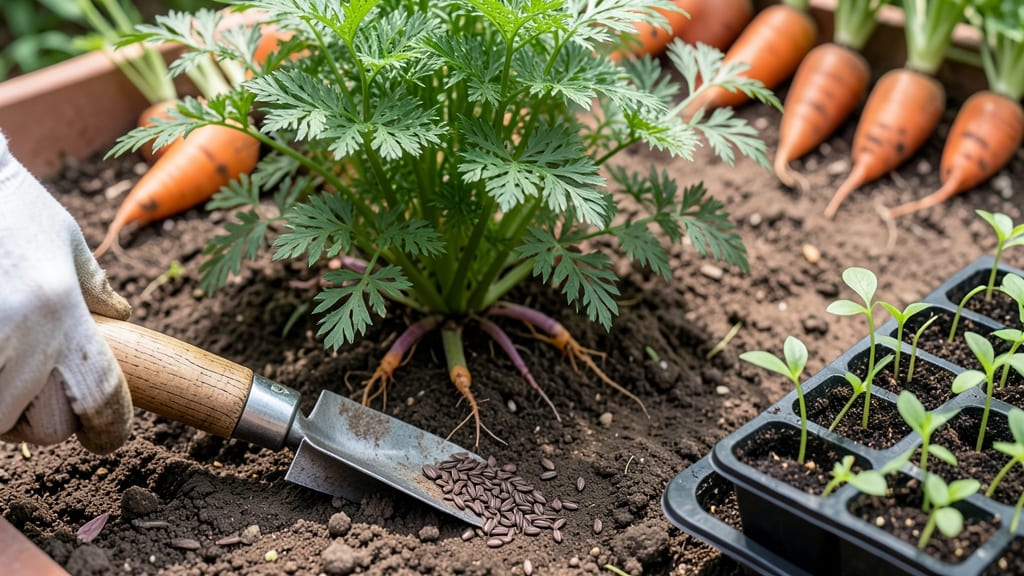
Timing your carrot planting in Georgia (GA) can mean the difference between a bountiful harvest of sweet, crisp roots and a sad, bolted mess.
The 7a-8b climate zones here demand precision—plant too early, and your 🥕 might flower before you even taste them; too late, and summer’s heat turns them woody.
Most gardeners in Georgia swear by two planting windows: February-March for spring harvests and August-September for fall. But here’s the catch: heat-tolerant varieties like ‘Danvers’ or ‘Nantes’ are your best bet to survive Georgia’s sweltering summers.
I’ll show you exactly when to start seeds for each season, plus how to adjust for your specific corner of the state.
Why does this matter? Because nothing beats the satisfaction of pulling a perfectly shaped, vibrant carrot from your own soil—especially when you’ve timed it just right. Let’s dive into the exact months, soil prep secrets, and variety picks to guarantee a harvest that’ll make your neighbors green with envy.
You’ll also learn how to spot the ideal planting window for your zone, avoid common pitfalls (like overcrowded rows or rocky soil), and even extend your growing season with shade cloth. Ready to grow carrots that’ll knock your socks off? Let’s get started.
Best carrot planting months in Georgia by climate zone
Georgia’s two distinct climate zones—North (cooler) and South (hotter)—dictate your carrot planting timeline. In North Georgia (USDA Zones 7a-7b), you’ll enjoy a longer cool season, while South Georgia (Zones 8a-8b) demands heat-tolerant varieties and precise timing to avoid bolting.
Let’s break down the exact months for each zone, including soil temperature cues and frost-free windows.
For spring planting, aim to sow 4-6 weeks before your last frost date, which typically falls in mid-March for North Georgia and late February to early March for South Georgia.
This timing ensures seedlings emerge when soil temps hit 50-60°F, the sweet spot for germination without bolting risks.
Fall planting is equally critical—sow 8-10 weeks before your first frost (usually mid-November in North Georgia and early November in South Georgia). This gives roots time to mature before winter chills set in.
In South Georgia, where summers are brutal, late summer plantings (August) can work with shade cloth and extra water.
| Zone & Region | Spring Planting Window | Fall Planting Window | Soil Temp for Planting | Key Varieties |
|---|---|---|---|---|
| North Georgia (7a-7b) | February 15 – March 15 | August 1 – September 15 | 50–60°F | 'Danvers Half Long', 'Nantes' |
| South Georgia (8a-8b) | January 15 – February 28 | July 15 – August 31 | 55–65°F (warmer soil needed) | 'Bolero', 'Touchon' |
*Use a soil thermometer to verify temps before planting—critical for avoiding bolting!
In North Georgia, you can even try winter carrots by sowing in late September under row covers. These mature slowly through winter and yield sweet roots in April. Just protect them with straw mulch (4-6 inches) to insulate roots from freezing temps.
For South Georgia growers, the real trick is succession planting every 2-3 weeks from January to March to stagger harvests. This prevents a glut of carrots at once and maximizes your garden’s potential. Pair this with drip irrigation to keep soil moist without overheating the roots.
Pro tip: Use a seed tape or precision seeder to space seeds 1-2 inches apart—crowding leads to forked, misshapen carrots, a common Georgia garden heartbreak. Thin seedlings to 3 inches apart once they’re 2 inches tall.
If you’re in South Georgia and planting in summer, prioritize shade cloth (30-50%) and daily afternoon shade to prevent bolting. Even 1-2 hours of shade can make the difference between a sweet harvest and a bitter disappointment.
Finally, always test your soil pH (aim for 6.0-6.8) before planting. Georgia’s clay-heavy soils often need compost or sand to loosen them—carrots hate compacted soil and will fork if roots can’t grow straight. A 1-inch layer of compost mixed into the top 6 inches of soil works wonders.
With these zone-specific timelines and soil prep tips, you’re set for sweet, straight carrots all season long—no matter where you garden in Georgia! 🥕
Heat-tolerant carrot varieties that thrive in Georgia’s summer
Georgia’s summer heat can turn your carrot crop into bitter, woody messes—unless you choose the right varieties. Heat-tolerant carrots resist bolting (premature flowering) and forking (split roots), even when temps climb above 90°F.
My top picks? Danvers Half Long and Nantes varieties top the list for their sweetness and adaptability.
For extended summer harvests, try ‘Bolero’ or ‘Paris Market’—both handle shade cloth well if you’re pushing the season into July or August. These varieties also mature faster (50–60 days), so you can squeeze in succession plantings every 2–3 weeks for a continuous supply.
To extend your summer harvest, use 30–50% shade cloth when temps hit 95°F+. This trick keeps soil temps cooler and reduces bolting. I’ve had success with ‘Danvers’ under shade cloth in July, yielding sweet roots well into September.
For fall plantings, switch to ‘Sugar Snack’ or ‘Rainbow’ varieties—their colorful roots add visual appeal, and they mature quickly (60 days) before first frost in November. These also handle cooler soil temps better than summer varieties.
Pro tip: Soil temperature matters just as much as air temp. Use a soil thermometer—carrots need 60–85°F soil to germinate. In South Georgia, wait until late March for spring plantings; in North Georgia, you can start as early as February.
If you’re new to Georgia gardening, start with ‘Bolero’ or ‘Paris Market’—they’re forgiving and heat-resistant. Pair them with mulch to retain moisture, and you’ll avoid the woody, bitter carrots that plague beginners.