
Planting
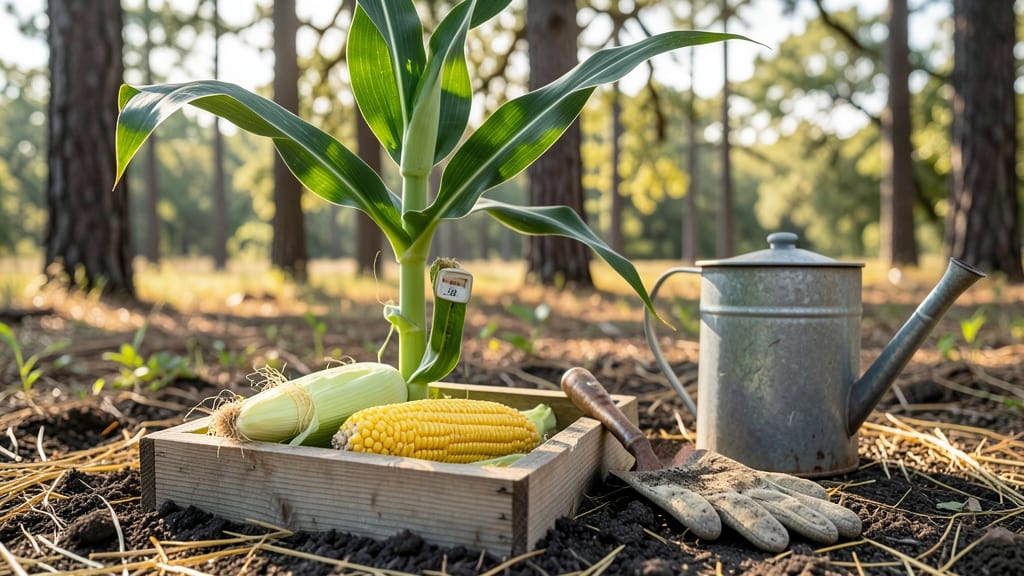
Timing when to plant a garden in Georgia isn’t just about throwing seeds in the dirt—it’s about beating the heat, avoiding frost, and working with the state’s unique climate.
With USDA Zones 7b to 8b, you’ve got a short window between the last frost (around March 15) and the brutal summer sun that can fry tender seedlings before they take root.
I’ve seen firsthand how a few weeks’ difference can mean the difference between a thriving 🌱 and a sad, wilted disappointment. Whether you’re planting cool-season greens in spring or heat-loving okra in summer, knowing the right schedule saves you time, money, and frustration.
In this guide, I’ll break down the exact months to start seeds indoors, transplant outdoors, and even when to sow directly into the soil—tailored to Georgia’s regional quirks. No more guessing whether your tomatoes will bolt in June or your broccoli will freeze in April.
Ready to turn your garden dreams into reality? Let’s get those shovels in the ground at the perfect time—before the weather decides for you.
Georgia planting schedule by USDA Zone: when to start seeds indoors and outdoors
Georgia’s USDA Zones 7a-8b offer a 210-240 day frost-free season, giving gardeners two prime planting windows: spring (Feb-Apr) and fall (Jul-Sep).
But timing is everything—cool-season crops like broccoli and spinach need to go in 6-8 weeks before last frost (avg. March 15), while tomatoes and peppers only thrive after soil hits 60°F, usually April 15+. Miss these windows, and you’ll battle heat stress or early frosts.
First, check your local last frost date—coastal areas (Zone 8b) can plant 2-3 weeks earlier than the Piedmont (Zone 7b). For example, Savannah might start cabbage in mid-February, while Athens waits until late March.
Mountain regions (Zone 7a) face even later frost risks, so plan accordingly. My rule of thumb: Start cool-season veggies indoors 4-6 weeks before outdoor planting, and warm-season crops 2-3 weeks indoors before transplanting.
| Planting Window | USDA Zone 7a (Piedmont) | USDA Zone 7b (Coastal) | USDA Zone 8b (Low Country) |
|---|---|---|---|
| Cool-Season Crops (Outdoors) | Late Feb - Early Apr | Mid-Feb - Mid-Mar | Early Feb - Early Mar |
| Warm-Season Crops (Outdoors) | Mid-Apr - Early May | Late Mar - Mid-Apr | Early Apr - Late Mar |
| Fall Planting Window | Late Jul - Early Sep | Early Jul - Mid-Aug | Late Jun - Early Jul |
| Indoor Seed Start (Cool-Season) | Early Feb - Mid-Mar | Late Jan - Early Feb | Mid-Jan - Late Jan |
| Indoor Seed Start (Warm-Season) | Early Mar - Mid-Apr | Late Feb - Early Mar | Mid-Feb - Late Feb |
*Transplant outdoors 2-4 weeks after indoor start for warm-season crops; 4-6 weeks for cool-season.
For cool-season crops like lettuce and kale, aim to harvest before summer heat peaks.
I plant successive crops every 2 weeks from February to April to stretch the season. Warm-season lovers (think okra and sweet potatoes) need consistent 70°F+ soil, so don’t rush—wait until after May 1 in most zones to avoid frost pockets.
Georgia’s humidity and clay soils add complexity. Amend beds with compost or pine bark fines to improve drainage, and use mulch to retain moisture during summer’s 90°F+ days. I’ve learned the hard way: Planting tomatoes too early leads to blossom-end rot from fluctuating temps.
Stick to heat-tolerant varieties like ‘Celebrity’ tomatoes or ‘Black Krim’ for better success.
Don’t overlook fall planting—it’s my second-favorite season! Start cool-season crops in late July for a harvest before first frost (avg. Nov 15). Broccoli and carrots planted in August often outperform spring crops.
Just watch for hurricane season (June-Nov) and protect young plants with row covers if storms roll in.
Pro tip: Use frost clocks or local Cooperative Extension Service data for hyper-local timing. For example, Valdosta (Zone 8a) can grow peppers year-round, while Blue Ridge (Zone 7a) needs row covers until May 15.
My Georgia garden thrives when I align planting with moon phases (root crops in waxing moon, leafy greens in waning)—though science says it’s folklore, I swear by it!
For container gardening (common in urban Atlanta or coastal Tybee Island), adjust timing by 2 weeks earlier—containers warm faster. Use self-watering pots to combat summer evaporation, and choose compact varieties like ‘Bush Early Girl’
Best heat-tolerant vegetables for Georgia’s summer garden (with planting tricks)
Georgia’s summer heat and humidity can turn a thriving garden into a wilted mess if you’re not planting the right varieties. The key is choosing heat-tolerant vegetables that thrive in 90°F+ temperatures and high humidity—think okra, sweet potatoes, and black-eyed peas instead of heat-sensitive lettuce or spinach.
These top 10 heat-loving crops will keep your garden productive even when the thermometer climbs. I’ve also included planting tricks to beat Georgia’s sudden downpours and soil heat, like succession planting and shade cloth hacks to prevent bolting or wilting.
Pro Tip: Always water deeply in the morning (before 10 AM) to avoid fungal diseases and mulch heavily to retain moisture and cool roots. For extra protection, use lightweight shade cloth (30-50%) during the hottest afternoons.
🌡️ Georgia Summer Planting Pros & Cons
✅ DO THIS
- Plant in late July for fall harvests
- Use black plastic mulch to warm soil
- Succession plant every 2 weeks for continuous yield
- Choose heirloom varieties (e.g., 'Georgia Southern' okra)
- Water at soil level (not overhead)
❌ AVOID THIS
- Planting before May 15 (risk of frost)
- Overwatering daily (leads to root rot)
- Using fresh manure (burns tender seedlings)
- Skipping shade cloth in peak heat (100°F+)
- Ignoring soil pH (aim for 6.0-6.8)
For warm-season crops, wait until soil temperatures hit 65°F+ (usually mid-May in most of Georgia). Okra and sweet potatoes are my go-tos—they love the heat and produce better in 90°F+ than most vegetables. Black-eyed peas and Southern peas also thrive in Georgia’s climate and add nitrogen to the soil as they grow.
If you’re growing tomatoes or peppers, opt for heat-set varieties like 'Celebrity' tomatoes or 'Jalapeño M'. These varieties won’t bolt in the heat and produce fruit consistently even when temperatures soar. Pro Tip: Plant them deeper than usual to encourage stronger root systems.
For fall gardens, start late July to early August with cool-season crops like kale, collards, and broccoli.
These plants handle Georgia’s humidity better than northern varieties and tolerate light frosts if planted early enough. Succession plant every 2 weeks to extend your harvest into November or December in milder zones.
Remember, Georgia’s clay soil can bake hard in summer. Amend with compost before planting and use raised beds if your soil is heavy. Drip irrigation is a game-changer—it delivers water directly to roots without wetting foliage, reducing disease risk.