
Plants
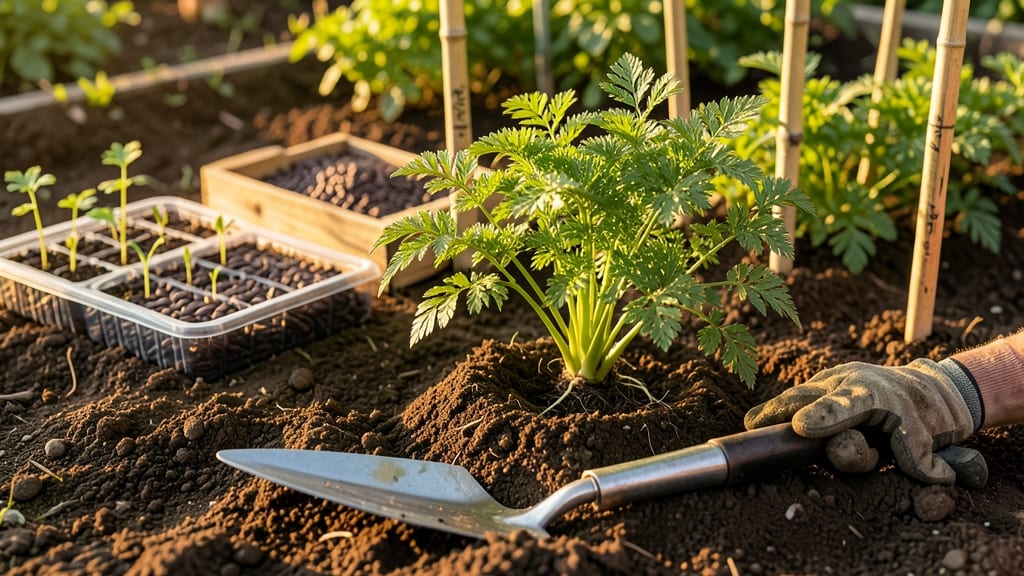
Timing your 🥕 carrot planting in Nebraska isn’t just about dates—it’s about soil temperature, and getting it wrong means waiting weeks for germination or watching your seeds bolt in summer heat.
Unlike other crops, carrots demand precise conditions: soil between 50°F and 85°F for consistent sprouts, and Nebraska’s 5a-6b zones throw extra curveballs with unpredictable frost dates.
You’ve probably heard “plant in spring and fall,” but those general rules miss the fastest way to grow crisp, sweet carrots: aligning your schedule with Nebraska’s mid-April to early June window (or late July for fall).
Without this timing, you’ll either battle slow germination in cold soil or face stunted roots when summer arrives too soon.
Here’s the game-changer: I’ll break down exactly when to sow seeds based on soil temperature, not just calendar dates—plus how to adjust for Nebraska’s microclimates (like the cooler Panhandle vs. the warmer Eastern Plains). Skip the guesswork and start harvesting 60-day carrots like a pro.
Ready to turn your garden into a carrot powerhouse? Let’s dive into the science-backed windows that’ll have you pulling your first harvest by early summer—no matter where in Nebraska you’re planting.
Nebraska’s ideal carrot planting calendar by soil temperature (not just dates!)
Forget memorizing frost dates—soil temperature is the real secret to growing carrots in Nebraska. Carrot seeds need 50°F-85°F soil to germinate reliably. Below 50°F, they’ll rot in cold, wet soil; above 85°F, they’ll bolt or fail to sprout.
Nebraska’s climate zones (Panhandle vs. Eastern Plains) shift these windows by 1-3 weeks, so let’s break it down by season and zone.
Most Nebraska gardeners focus on mid-April to early June for spring planting, but the Panhandle’s earlier last frost (March 20-April 5) lets you start 2 weeks sooner than Omaha or Lincoln.
Meanwhile, eastern Nebraska’s heavier soils stay colder longer, delaying ideal planting until after May 1. Fall planting? Aim for late July to early August—but test soil temps first!
Here’s how to check your soil’s readiness: Stick a soil thermometer 2 inches deep (carrot seed depth) in morning sunlight. If it reads 50°F or warmer, it’s go-time. Pro tip: Morning temps are most accurate—afternoon sun can skew readings by 10°F+.
🌱 Why this matters: Carrot seeds germinate best at 68°F-77°F soil. In Nebraska’s Zone 5a-6b, that means late April to early May for most areas—but Panhandle gardeners can plant early April, while southeast Nebraska waits until mid-May.
| Season | Ideal Planting Window | Soil Temp Range | Nebraska Zone Notes |
|---|---|---|---|
| Spring | Early April (Panhandle) / Late April (West) / Mid-May (East) | 50°F–68°F | Panhandle: 2 weeks earlier; Eastern Plains: wait for 50°F+ |
| Summer (Succession) | Late July–Early August | 60°F–75°F | Use shade cloth if temps exceed 80°F; mulch heavily |
| Fall | Late July–Early August | 60°F–70°F | Harvest before first frost (mid-October); extend with row covers |
Spring planting in Nebraska has two critical windows: early April (Panhandle) and late April to mid-May (rest of the state). If you plant before soil hits 50°F, seeds will rot.
If you wait until after May 15, summer’s heat may make germination unreliable. For succession planting, sow every 2 weeks from April to June to ensure a continuous harvest.
💡 Pro move: Use black plastic mulch in early spring to warm soil 5–10°F faster than bare ground. Lay it down 1-2 weeks before planting to jumpstart germination. Just remove it once seeds sprout to avoid overheating.
Summer planting is trickier—only attempt it if daytime highs stay below 85°F. Nebraska’s July-August heat can cause seeds to dry out before germinating. If you’re in Zone 6b (southeast NE), aim for late July; in Zone 5a (Panhandle), early August works better.
Always water deeply before planting to trigger germination.
Fall carrots are a Nebraska gardener’s secret weapon for crisp, sweet roots. Plant late July to early August for a harvest before frost. In eastern Nebraska, you can even get two fall crops: one in July and another in early August.
Just mulch heavily to keep soil temps stable and harvest before hard frost (aim for roots 1–1.5 inches thick before temps drop below 40°F).
🌿 Remember: Carrots are cool-season crops, so they bolt (go to seed) in heat. If your plants flower, they’ll taste bitter—pull them and replant with heat-tolerant varieties like ‘Danvers Half Long’ if summer stretches on.
How to adjust planting times for Nebraska’s microclimates (and avoid common mistakes)
Nebraska’s landscape isn’t one-size-fits-all—elevation shifts, wind patterns, and urban heat islands can push your ideal planting window by 2-3 weeks. For example, gardeners in Lincoln’s USDA Zone 5b might plant in mid-April, while those in Panhandle’s Zone 6a can start 2 weeks earlier.
Even within cities, south-facing slopes warm faster than shaded yards, creating microclimates where timing matters.
Wind exposure is another sneaky factor—open prairie areas dry out faster, so seeds need deeper moisture. Meanwhile, treeline edges stay cooler longer, delaying germination. If your garden sits in a frost pocket (common in river valleys), wait until soil hits 55°F instead of the standard 50°F—otherwise, seedlings risk black rot from lingering cold snaps.
🚨 3 Deadly Mistakes Nebraska Gardeners Make 🚨 1. Ignoring frost pockets – Planting too early in low-lying areas where frost lingers until May 10 (vs. April 15 in uplands).
- Overestimating summer heat tolerance – Carrots bolt (go to seed) when soil temps hit 85°F+, so avoid mid-July plantings unless you use shade cloth.
- Skipping soil tests – Compacted clay (common in Eastern Nebraska) strangles roots—amend with compost before planting.
Pro Tip: Use a soil thermometer ($10 at garden centers) to check morning temps (soil warms faster in direct sun). Aim for 50°F for spring and 60°F for fall—any cooler, and germination slows to a crawl. If your yard has patchy sun, prioritize north-facing beds for fall crops, as they stay cooler longer into October.
For urban gardeners, concrete and pavement create heat islands that can push soil temps 5-10°F higher than rural areas. If your garden is near buildings, plant fall carrots by August 1 instead of waiting until mid-month.
And if you’re in high-elevation areas (like the Pine Ridge), start seeds indoors 4-6 weeks early to beat the shorter growing season.
Adjust Your Timeline Like This:
- Western Nebraska (Panhandle): Start March 20–April 5 (soil warms faster).
- Central Nebraska (Omaha/Lincoln): Stick to April 10–May 1.
- Eastern Nebraska (near Missouri border): Wait until April 25–May 10 (cooler, wetter springs).
- Urban Heat Islands (Omaha): Plant fall crops by August 1 to avoid summer heat stress.
Final Check: If your neighbors’ carrots thrive but yours don’t, blame microclimates—not your green thumb. Test your soil’s moisture retention (stick a trowel in—if it’s dry at 2 inches deep, water deeply before planting). With these tweaks, you’ll ditch the guesswork and enjoy crisp, homegrown carrots from June to October! 🥕
⚠️ Warning: Nebraska-Specific Pitfalls
- Frost Pocket Danger: Low areas hold cold air—wait until soil is 55°F (not just air temps).
- Windburn Risk: Use row covers for early plantings in open fields.
- Summer Bolting: If temps hit 85°F+, switch to shade-tolerant varieties like ‘Paris Market.’
🌬️ Fix It: Test soil temps daily with a thermometer—don’t rely on calendar dates!