
Plants
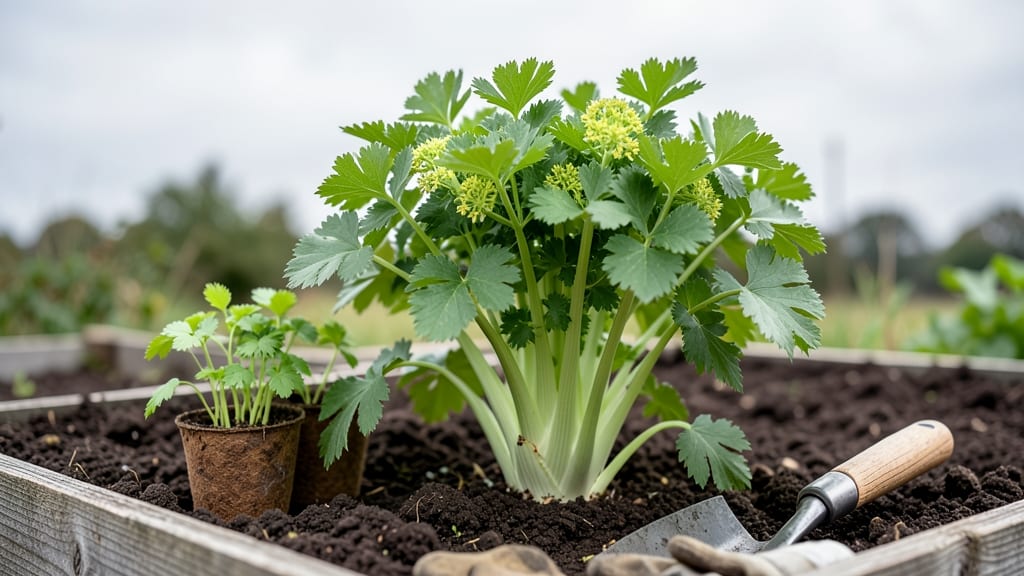
Planting celery in North Carolina isn’t just about dropping seeds in the ground—it’s about mastering the timing game between frost and heat to avoid bitter stalks or wasted effort.
With the right approach, you can grow crisp, flavorful 🥬 that thrives in USDA zones 7a-8b, where summer heat and late frosts can derail even the most eager gardener.
Most gardeners in NC make the mistake of planting too early or too late, leading to stunted growth or bolting. The secret? Start seeds indoors by late February for a jump on the April-May window when soil temperatures hit that sweet spot of 50°F.
Or, if you prefer direct sowing, wait until after your last frost date—typically around mid-March in most regions.
But here’s the catch: NC’s microclimates mean your neighbor’s perfect timing might not work for you. Coastal areas stay warmer longer, while mountain regions face earlier frosts.
I’ll break down how to adjust your planting schedule based on where you live, so you can enjoy fresh celery from July through October without the guesswork.
Ready to grow celery that’s actually worth harvesting? Let’s dive into the exact strategies that work for NC’s unpredictable weather—because nobody wants to wait 120 days for a crop that turns out tough and disappointing.
Optimal celery planting windows in NC by microclimate Zone
North Carolina’s diverse climate—from the humid Coastal Plain to the cooler Mountain regions—means your celery planting timing should vary by microclimate zone. The wrong schedule can lead to bolting (premature flowering) or stunted growth, so let’s break down the best windows for each area.
Celery thrives in USDA Zones 7a-8b, but local frost dates and heat thresholds make all the difference.
For Coastal Plain gardeners (e.g., Wilmington, Fayetteville), aim for late February to early March starts indoors or April 15 direct sowing. This region’s mild winters and long growing season give you a 120-day window before summer heat stresses the plants.
In contrast, Piedmont areas (Raleigh, Greensboro) should start seeds indoors by late February and transplant after April 1, while Mountain regions (Asheville, Boone) have a shorter season and need earlier starts (late January indoors) with May 1 as the direct-sow cutoff.
Here’s how to align your planting with NC’s frost-free dates and heat thresholds:
| Microclimate Zone | Last Frost Date | Indoor Start (Weeks Before Last Frost) | Direct Sow Window | Heat Threshold (°F) | Key Variety Tip |
|---|---|---|---|---|---|
| Coastal Plain | March 1-15 | 10-12 weeks before March 15 | April 15 - May 1 | 85°F (bolting risk) | ‘Tall Utah’ (heat-tolerant) |
| Piedmont | March 15-30 | 10-12 weeks before March 15 | April 1 - April 15 | 80°F (growth slows) | ‘Golden Self-Blanching’ (fast-maturing) |
| Mountain | April 15-30 | 12-14 weeks before April 15 | May 1 - May 15 | 75°F (optimal growth) | ‘Utah’ (cold-hardy) |
Pro tip: Use row covers in early spring to extend your Coastal Plain planting window by 2-3 weeks. This protects seedlings from late frosts (common in Piedmont) while keeping soil warm enough for germination.
For Mountain regions, prioritize shade cloth in summer to prevent bolting when temps exceed 75°F.
If you’re in Zone 8b (e.g., southeastern NC), you can squeeze in a fall crop by sowing seeds August 1-15 for a harvest before the first frost. Just be ready to harvest by November 1 to avoid winter kill.
For cooler Zone 7a areas (western NC), stick to spring planting—fall crops rarely mature in time.
Remember: Celery needs consistent moisture and cool soil (below 75°F) to grow crisp stalks. If your summer temps regularly hit 90°F, focus on shade and mulch to keep roots cool.
My Coastal Plain gardeners often use black plastic mulch to retain moisture and suppress weeds during the critical first 60 days of growth.
For a foolproof schedule, mark your calendar for April 15 (Piedmont) or May 1 (Mountain regions) as your last direct-sow date. After that, heat stress becomes too risky for quality stalks.
If you miss the window, wait until fall—but only in Zone 8b areas where the season stretches long enough.
🌱
Optimal celery planting windows in NC by microclimate Zone
North Carolina’s three distinct regions—Coastal Plain, Piedmont, and Mountain—each have unique frost patterns and heat thresholds that dictate when to plant celery.
In the Coastal Plain, where winters are milder (USDA Zone 8a), you can start seeds indoors as early as late February for a spring harvest. Meanwhile, gardeners in the Mountains (Zone 7a) should wait until mid-March to avoid frost damage.
The key to success is aligning your planting with soil temperatures of 50°F (10°C)—celery seeds won’t germinate in cold soil.
Direct sowing after the last frost (typically mid-March to early April) works for most of NC, but mountain regions may need to delay until late April to ensure safety. For a fall harvest, aim to plant seeds indoors by mid-July for transplanting in August.
Here’s how to adjust your timing based on your NC region for maximum yield:
| Region | USDA Zone | Start Indoors | Direct Sow | Last Frost | Fall Planting |
|---|---|---|---|---|---|
| Coastal Plain | 8a-8b | Late Feb | Early April | Mid-March | Mid-July |
| Piedmont | 7b-8a | Mid-March | Late April | Early April | Early August |
| Mountains | 7a | Late March | Late April | Mid-April | Late July |
Pro tip: Use a soil thermometer to confirm temperatures before direct sowing—celery seeds may rot if planted in soil below 50°F.
In coastal areas, you can even squeeze in a late summer planting (around August 15) for a fall harvest, but protect seedlings with row covers if nights dip below 55°F.
Remember, celery is a cool-season crop, so avoid planting when daytime temperatures exceed 80°F. If you miss the spring window, don’t despair—fall plantings can still yield crisp stalks if timed correctly.
The goal is to harvest before first frost, which typically hits NC between mid-November and early December, depending on elevation.
For gardeners in transitional zones (like the Sandhills), err on the side of caution and follow Piedmont guidelines. And if you’re new to growing celery, start with slow-bolt varieties like ‘Utah’ or ‘Tall Utah Improved’—they’re more forgiving with timing fluctuations.
Timing is everything when it comes to celery in NC. Get it right, and you’ll enjoy homegrown stalks from July through October—just in time for soups, salads, and stir-fries! 🥬