
Trees
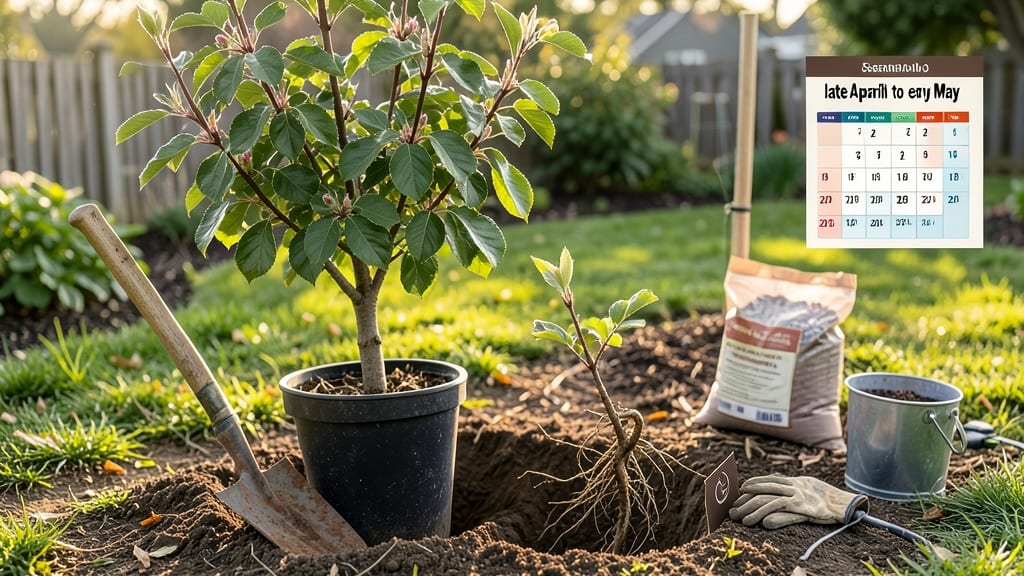
Knowing when to plant cherry trees in Zone 5 can mean the difference between a thriving 🍒 tree and one that struggles to take root. The right timing isn't just about the calendar—it's about matching your cherry tree's chill-hour needs with your local frost patterns.
Zone 5 gardeners face a tricky balance: plant too early, and frost can damage tender roots; too late, and your tree may not establish strong growth before winter sets in. The solution? Understanding your microclimate and choosing the perfect window—whether it's early spring or fall.
In this guide, I'll walk you through the exact months to plant sweet, tart, and ornamental varieties, plus how to adjust for urban heat islands or cold valleys. You'll also discover post-planting care tips to ensure your cherry tree survives its first critical year.
Ready to set your cherry tree up for success? Let's dive into the chill-hour calendar and frost-free strategies that will have your tree blooming beautifully in just a few years.

Zone 5 cherry tree planting calendar: exact months by variety and chill requirements
Planting cherry trees in Zone 5 requires precision—timing directly impacts whether your tree thrives or struggles. Most varieties need 600–900 chill hours (below 45°F) to bloom reliably. In Zone 5, this means aligning planting with late spring or early fall to avoid frost damage or insufficient root establishment.
Sweet cherries like Bing or Stella demand cooler climates, while tart cherries such as Montmorency tolerate wider ranges. Ornamental varieties like Black Tartarian offer stunning spring blooms but still need chill hours. Let’s break down the ideal windows for each type.
🍒 Visual Guide: Planting Windows by Variety
For spring planting, aim for April–May after the last frost (typically mid-April in Zone 5). Bare-root trees establish roots quickly in cool soil, while container-grown varieties adapt better to warmer conditions. Test soil temperature—ideal root growth occurs at 50–60°F.
Fall planting in September–October gives roots time to establish before winter, but avoid planting too late—soil should stay workable for 4–6 weeks before freezing. In northern Zone 5 (e.g., Minneapolis), shift to late August–early September to prevent frost exposure.
Pro tip: Use a soil thermometer to confirm ground temps are above 45°F before planting. Cold soil slows root growth, increasing transplant shock risk. Mulch heavily (3–4 inches) after planting to insulate roots in both spring and fall.
If you miss the ideal window, container growing is a workaround—plant in spring and move pots to a sheltered spot in winter. Just ensure pots have drainage holes to prevent root rot during Zone 5’s wet springs.
🌱
How to adjust planting dates for Zone 5 microclimates: urban heat islands vs. cold valleys
Zone 5’s 1,500-foot elevation swings create dramatic microclimates—your neighbor’s perfect cherry tree planting window might be disastrous for your yard. Urban heat islands can push spring 2–3 weeks earlier than rural areas, while frost pockets delay ideal timing by 1–2 weeks. These variations mean a one-size-fits-all approach fails.
Start by testing your soil temperature with a soil thermometer—cherry roots need 45°F (7°C) minimum to thrive. In cities like Chicago, pavement radiates heat, warming soil 5–10°F warmer than nearby parks.
Use this to your advantage: plant sweet cherries (Bing, Rainier) 2 weeks earlier in urban zones where frost risk drops faster.
For cold valleys or north-facing slopes, delay planting until after May 15 to avoid late frosts. Wind-exposed sites need extra caution—windburn stress weakens young trees. Protect root zones with burlap windbreaks or plant near existing hedges to create a microclimate buffer.
My Black Tartarian struggled in a windy yard until I added a living fence of arborvitae.
⚠️ Warning: False Springs Are Deadly
Zone 5’s unpredictable frost returns after April blooms can kill emerging cherry buds. Use the National Weather Service’s frost prediction tool and plant dwarf varieties (Stella, Montmorency) first—they recover faster from frost damage.
Adjust for elevation changes: Every 1,000 feet higher adds 3–5°F colder temps. If you’re at 1,500 feet in the Appalachians, delay planting until May 1 or choose low-chill varieties (400–600 hours) like Lapins.
My Montmorency tart cherry thrives at 2,000 feet in Colorado’s Front Range because I planted it after Memorial Day.
Test your site’s frost risk with a DIY frost clock: Place a thermometer in a white bucket (simulates soil) and monitor overnight temps. If temps drop below 28°F (-2°C) after buds swell, cover young trees with frost cloth.
I’ve saved Stella cherries multiple springs using this method—no tree lost!
Remember: Fall planting (September–October) gives roots 6–8 weeks to establish before winter. In southern Zone 5 (e.g., St. Louis, Cincinnati), fall planting works until October 15. But in northern Zone 5 (e.g., Minneapolis, Buffalo), stop by September 15 to avoid early freezes.
Pro tip: Use mulch depth to fine-tune timing. A 4-inch mulch ring insulates roots, letting you plant 1 week earlier in spring or 1 week later in fall without frost risk.
My Bing cherry survived a late April frost because of wood chip mulch—the roots stayed 5°F warmer than bare soil. 🌱