
Trees
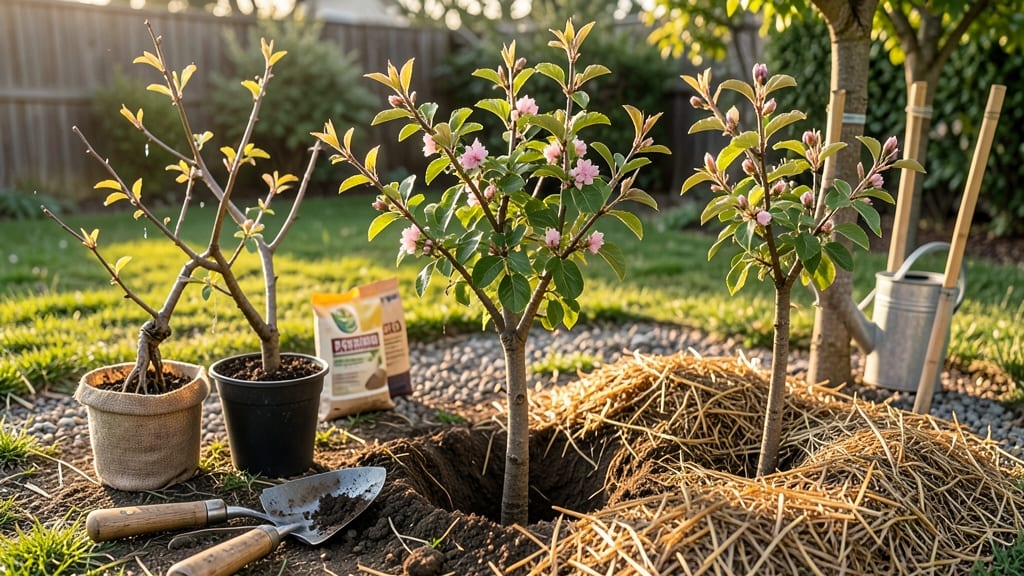
Knowing when to plant fruit trees in Zone 5 makes all the difference between a thriving orchard and struggling saplings. The wrong timing can leave your 🍎 vulnerable to winter damage or stress, while perfecting the window ensures strong root growth before the first frost hits.
Zone 5’s short growing season means you’ve got just two ideal opportunities: early spring or fall. But which one works best for your specific fruit tree?
I’ll break down the science behind each season and help you pick the perfect month for apples, peaches, or cherries—so you don’t waste time or money on a failed transplant.
Most gardeners assume spring is the only safe bet, but fall planting actually gives roots a head start before winter dormancy. We’ll cover the exact soil temperatures, frost dates, and microclimate tweaks that separate success from disappointment in your Zone 5a-5b climate.
Ready to plant with confidence? Let’s dive into the most important timing tips, soil prep secrets, and variety-specific advice that’ll have your fruit trees growing like they’ve been there for years—not just months.

Best planting months for fruit trees in Zone 5: fall vs spring breakdown
Zone 5’s short growing season and unpredictable frosts make timing critical for fruit tree success. Planting too early risks frost damage, while waiting too long delays root establishment.
The ideal windows are early spring (April–May) and fall (September–October), when soil temperatures and moisture levels support strong root growth before winter dormancy.
Spring planting gives trees a full season to establish roots before the first frost, while fall planting allows roots to grow in cool soil without competing with summer heat. Both methods work, but your choice depends on your fruit tree type, soil conditions, and local microclimate.
Let’s break down the pros and cons of each season to help you decide.
📌 Key Consideration: Bare-root trees thrive in both seasons, but container-grown trees can be planted almost year-round (except winter). Always check your local last frost date—typically around April 15 in Zone 5—to avoid early-season cold snaps.
For spring planting, aim to get your fruit trees in the ground by mid-May to ensure roots have time to establish before winter. This is especially important for stone fruits like peaches and cherries, which are more sensitive to cold.
Start by preparing the soil with compost and a balanced fertilizer, then water deeply to encourage root spread.
Fall planting, on the other hand, allows roots to grow in cool soil without the stress of summer heat. Plant by mid-October to give roots time to harden off before the first frost.
This method is ideal for apples and pears, which benefit from a longer dormancy period. Just be sure to mulch heavily (4–6 inches) to protect roots from freezing temperatures.
Your local microclimate plays a huge role—southern exposures warm up faster in spring, while northern slopes may stay cooler longer. If you’re unsure, spring planting is the safer bet for beginners, but fall can yield equally strong trees with proper care.
Pro tip: If you miss the ideal window, container-grown trees can be planted in late spring or early fall (June or August) as a backup. Just be prepared for slower initial growth due to transplant shock.
🌱 Whether you choose spring or fall, the key is giving your fruit trees enough time to establish roots before winter sets in. Next, we’ll dive into how to tailor your planting window to your specific fruit tree type—because not all trees thrive on the same schedule!
How to choose the perfect planting window for your specific fruit tree type
Not all fruit trees thrive with the same planting timing in Zone 5. Stone fruits like peaches and plums need cooler soil to prevent premature budding, while pome fruits like apples and pears can handle slightly warmer conditions.
Understanding these differences ensures your tree establishes strong roots before winter’s chill sets in.
For stone fruits (peaches, plums, cherries), aim for late April to early May in spring or mid-September to early October in fall.
These varieties are sensitive to late frosts, so planting too early risks damage to emerging buds. Pome fruits (apples, pears), however, are more forgiving and can handle early April to mid-May or late September to mid-October.
Berries like blueberries and raspberries (often grown as shrubs) prefer early spring planting (March-April) to avoid summer heat stress. Their shallow roots benefit from cooler soil temperatures, making fall planting less ideal unless you’re in a warmer microclimate within Zone 5.
If you’re planting bare-root trees, spring is your best bet—roots wake up earlier and establish faster in warming soil. Container-grown trees, however, can handle fall planting better because their root systems are less disrupted by transplant shock.
For Zone 5’s variable microclimates, adjust your timing by 1–2 weeks. If you’re in a warmer pocket (like near a lake or south-facing slope), you can plant slightly earlier. Conversely, cooler areas (valleys, north-facing yards) may need a later start to avoid frost damage.
Pro tip: Check your local USDA Zone 5a vs. 5b distinction—5a’s earlier frosts mean you should plant 2 weeks later than in 5b. Always verify your last frost date (typically April 15 for most of Zone 5) to avoid planting too soon.