
Plants
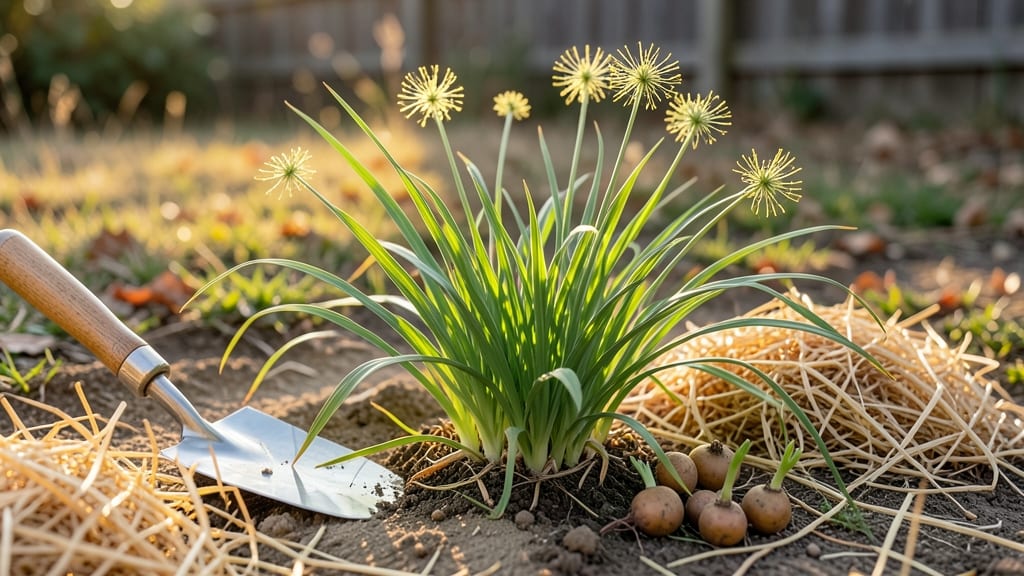
If you're dreaming of when to plant chufa in Alabama, timing is the secret ingredient to success—or failure. Planting too early risks frost damage, while waiting too long might leave you scrambling to harvest before the first chill of fall.
The ideal window for Alabama gardeners falls between late spring and early summer, but there's more to it than just dates.
Alabama's USDA Zones 7a-8b give chufa a fighting chance, but the real game-changer is soil temperature. These little tubers need warmth—think 55°F to 75°F—to germinate properly.
That means waiting until after your last frost date (usually around March 15) and watching for those telltale signs that the ground is ready to welcome your chufa.
I've seen firsthand how a few weeks can mean the difference between a thriving crop and a disappointing one. The key is understanding your local microclimate—whether you're in the heat of Birmingham or the coastal breezes of Mobile—and adjusting your planting schedule accordingly.
Let's break down exactly how to time it right for maximum yield.
You'll discover when to prep your soil, how to spot the perfect planting window, and what to watch for as your chufa grows. With these insights, you'll be harvesting those nutritious tubers by late summer—just in time for fall's arrival. Let's get started!
Ideal soil temperature ranges for chufa germination in Alabama
Chufa (Cyperus esculentus) thrives in Alabama’s warm climate, but soil temperature is the #1 factor for successful germination. Unlike cool-season crops, chufa requires warm soil—ideally between 55°F and 75°F—to sprout reliably.
In Alabama’s USDA Zones 7a-8b, this means waiting until after the last frost (mid-March) and avoiding planting in chilly spring soil that can cause rot.
Alabama’s microclimates add complexity. Coastal areas like Mobile warm up faster than inland regions like Huntsville. Use a soil thermometer to verify warmth—plant only when soil reaches 60°F+ consistently for 3+ days.
This typically aligns with late April to early May in most of the state, but northern Alabama may need to wait until mid-May.
Chufa tubers (not seeds) germinate best when soil is moist but not soggy. In Alabama’s humid summers, drainage is critical—amend heavy clay soil with compost or sand to prevent waterlogging, which can drown tubers before sprouting.
Aim for a loamy, sandy-loam texture that mimics chufa’s native Mediterranean habitat.
Avoid planting when nighttime temperatures drop below 50°F, even if daytime soil is warm. Chufa’s sensitive to cold stress, and early spring frosts can kill emerging shoots. Check your local Alabama Agricultural Extension for frost-free date updates, as last frost dates vary yearly.
Chufa’s perennial nature in Alabama means tubers can survive winters if protected. However, first-year plants need ideal conditions to establish a robust root system. If you’re in Zone 7a (e.g., northern AL), consider light row covers in late fall to shield tubers from freeze damage during occasional hard frosts.
Pro growers in Alabama swear by black plastic mulch to accelerate soil warming. Lay it down 2–3 weeks before planting to raise soil temps by 5–10°F, giving you an earlier start. Just
For container growing in Alabama’s urban areas, use well-draining pots and place them in full sun. Containers warm up faster than ground soil, so you can plant 2–3 weeks earlier than in-ground chufa. Just ensure pots have drainage holes to prevent rot in Alabama’s humid summers.
If you’re in southern Alabama (Zones 8a–8b), you can even plant chufa twice yearly: once in late winter (Feb–March) for an early summer harvest, and again in late summer (Aug–Sept) for a fall crop. This extended growing window is chufa’s superpower in Alabama’s climate!
Always test your soil’s pH before planting—chufa prefers 6.0–7.0. Alabama’s native soils often run acidic (pH
Ideal soil temperature ranges for chufa germination in Alabama
Chufa thrives when Alabama’s soil warms to 55°F–75°F—the sweet spot for germination. Coastal areas like Mobile hit these temps by mid-April, while inland zones (e.g., Birmingham) may wait until late April or early May.
Use a soil thermometer to confirm—chufa seeds rot if planted in cold, damp soil.
Alabama’s USDA Zones 7a–8b create microclimates where timing varies. For example, Montgomery’s Zone 8a can plant 2 weeks earlier than Huntsville’s Zone 7b. Always wait until nighttime lows stay above 50°F to avoid frost damage.
Chufa’s tubers (not seeds) need consistent warmth to sprout. In Alabama, this means targeting late spring after the last frost (March 15 average). Coastal regions may start 1–2 weeks earlier due to milder winters.
| Factor | Alabama-Specific Range | Key Trigger |
|---|---|---|
| Soil Temperature | 55°F–75°F | Use a thermometer; plant when soil hits 60°F+ consistently. |
| Air Temperature | 65°F–85°F | Avoid planting if nights dip below 55°F. |
| Coastal vs. Inland | Coastal: 2 weeks earlier | Coastal areas (e.g., Gulf Shores) plant by mid-April; inland by early May. |
| Frost Risk | After March 15 | Wait until last frost date + 2 weeks for safety. |
Alabama’s summer heat (90°F+) isn’t a problem for chufa—it actually speeds up tuber growth. However, drought stress can stunt germination. Mulch with straw or pine needles to retain moisture and keep soil temps stable.
Pro tip: Test your soil’s drainage first. Chufa hates soggy conditions—amend heavy clay with compost or sand to prevent rot. Alabama’s red clay soils often need this adjustment for optimal sprouting.
Once your soil hits 60°F+, plant tubers 1–2 inches deep and water lightly. Within 10–14 days, you’ll see sprouts—proof you’ve nailed the timing!