
Plants
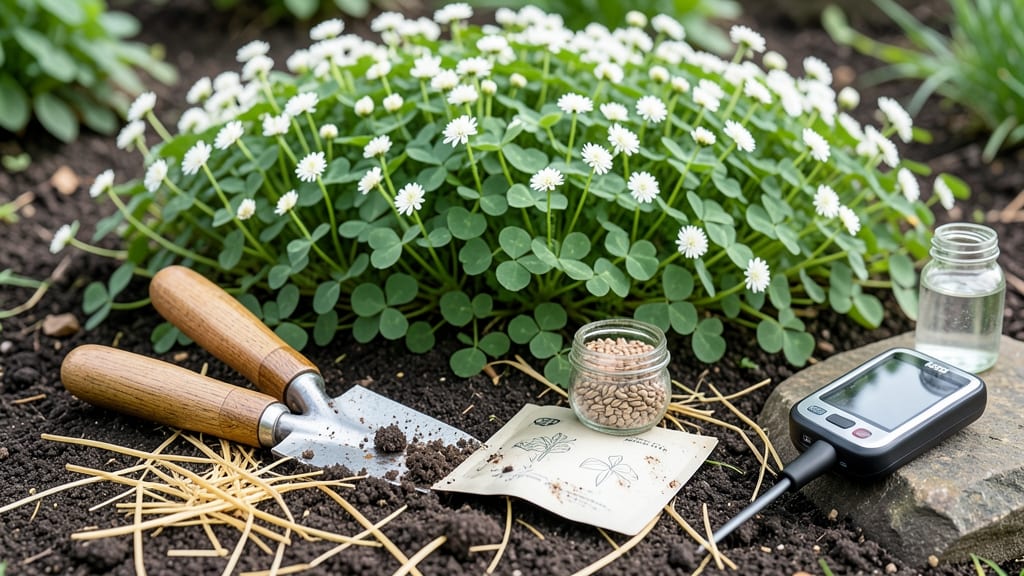
Knowing when to plant clover in Illinois isn’t just about checking a calendar—it’s about reading your soil’s secret signals. That’s because clover thrives when temperatures hit 40°F to 70°F, and Illinois’ unpredictable springs can turn a good planting window into a risky gamble if you’re not prepared.
Whether you’re sowing 🌱 clover for pollinators, a nitrogen-rich cover crop, or a lush lawn mix, timing matters. Plant too early, and frost will halt germination. Too late, and summer heat stresses young seedlings.
But with the right soil temp triggers, you can fast-track growth and outperform neighbors whose clover struggles to take hold.
In this guide, I’ll break down the exact planting windows for Illinois’ USDA zones 5-7, including how to adjust for northern vs. southern regions.
You’ll learn how to test soil temperature, choose the right clover variety for your climate, and even use mulch to accelerate germination—so your clover isn’t just surviving, but thriving.
Ready to transform your yard or farm with fast, reliable clover? Let’s dive into the science-backed secrets that’ll have your 🌱 clover sprouting in record time—no guesswork required.
Ideal soil temperature ranges for planting clover in Illinois
Planting clover in Illinois requires precision—soil temperature is the single most critical factor for germination success. Unlike annuals that tolerate cooler soils, clover seeds need consistent warmth to break dormancy.
In Illinois’ USDA Zones 5-7, soil temps can swing wildly between 30°F in winter and 80°F in summer, making timing tricky.
Clover seeds germinate best when soil reaches 40°F to 70°F, but optimal germination occurs between 55°F and 65°F. Below 40°F, seeds may rot; above 75°F, they risk drying out before sprouting.
Northern Illinois (Zone 5) often waits until late April or early May, while southern Illinois (Zone 7) can plant as early as mid-March.
🌱 Clover Soil Temperature Guide for Illinois
| Variety | Germination Temp Range (°F) | Best Planting Window | Illinois Region |
|---|---|---|---|
| White Dutch Clover | 50°F–65°F | Late April–May | Northern (Zone 5) |
| Red Clover | 45°F–60°F | March–April | Southern (Zone 7) |
| Microclover | 55°F–70°F | April–May | Central (Zone 6) |
💡 Pro Tip: Use a soil thermometer ($10–$15) to check temps 2–3 inches deep before planting.
To test your soil temperature, insert a soil thermometer into moist soil and wait 10 minutes for an accurate reading. In Illinois, morning temps (9–11 AM) are most reliable because afternoon sun can skew readings.
If your soil is below 45°F, delay planting until temps stabilize—waiting a week can mean the difference between sprouts and seed loss.
Another critical factor is soil moisture. Clover seeds need consistent moisture to germinate, but waterlogged soil (common after Illinois rains) can suffocate seeds. Aim for 60–70% soil moisture at planting.
If your soil feels dry or compacted, mix in compost or peat moss to improve drainage and water retention.
Northern Illinois gardeners often face late spring frosts, which can damage young clover seedlings. To mitigate this, plant cold-hardy varieties like ‘Crimson Clover’ or use row covers for the first 2–3 weeks after germination.
Southern Illinois, meanwhile, benefits from earlier planting (as early as February in Zone 7), but avoid planting before mid-February to prevent frost damage.
For fall planting, target late August to early September when soil temps drop to 60°F–65°F. This gives clover 6–8 weeks to establish roots before winter. Use a mulch layer (straw or leaves) to insulate soil and maintain stable temperatures during temperature swings.
One common mistake Illinois gardeners make is planting clover too early in cold, wet soil or too late in hot, dry conditions. Early planting risks seed rot, while late planting leads to poor establishment before winter.
Always align your planting with soil temperature data and local frost dates—not just the calendar.
If you’re unsure about your soil temperature, monitor weekly forecasts for 5-day soil temp predictions (available from NOAA’s Climate Data or local extension offices). In Illinois, spring soil warms fastest in southern counties, so adjust your timing accordingly.
For example, Carbondale (Zone 7) can plant 2–3 weeks earlier than Chicago (Zone 5).
Remember, clover thrives on consistency. Once planted, maintain even moisture and moderate sunlight (4–6 hours daily) for the first 4–6 weeks. With the right soil temperature and care, your clover will establish a dense, nitrogen-rich ground cover that outperforms traditional lawns.
Best planting months by Illinois region (with frost risk maps)
Illinois spans USDA zones 5–7, meaning frost dates vary dramatically from Chicago’s northern edge to Carbondale’s warmer southern climate. Planting clover too early risks frost damage, while waiting too long may miss the optimal 60–70°F soil window for germination.
Let’s break it down by region to avoid costly mistakes.
For northern Illinois (Chicago area, Zone 5), aim to plant white Dutch clover between mid-April and early May—after the last frost (typically April 15) but before soil heats past 75°F. Fall planting works too: late August to mid-September ensures roots establish before winter.
Southern Illinois (Zone 7) gardeners have a 2-week longer window—plant red clover from early April to late May or late August to early October.
Pro tip: Use the Illinois State Climatologist’s frost maps to double-check local trends. For example, 2023’s late April frost in northern Illinois caught many off guard—so consider black plastic mulch if planting early. Southern Illinois gardeners can push boundaries with microclover, which tolerates warmer soils up to 80°F.
If you miss the spring window, don’t panic. Fall planting is just as effective—just ensure seeds germinate 4–6 weeks before first frost. For northern Illinois, that’s by September 15; southern regions can extend to October 1.
Test soil moisture weekly: clover seeds need consistent dampness to sprout, but waterlogged soil will drown them.
For late starters, opt for cold-hardy varieties like ‘Crimson Clover’ (Zone 3–9) or ‘Alsike Clover’ (Zone 4–8). These handle light frosts and germinate at 40°F soil temps, giving you a 3-week buffer in unpredictable springs. Pair with a seed starter kit for faster results.
Remember: Soil temperature > air temperature. A 50°F day might feel chilly, but if the soil is 60°F+, clover seeds will sprout in 7–14 days. Use a soil thermometer ($10 at garden centers) to avoid guesswork—it’s the #1 tool for Illinois clover success.