
Plants
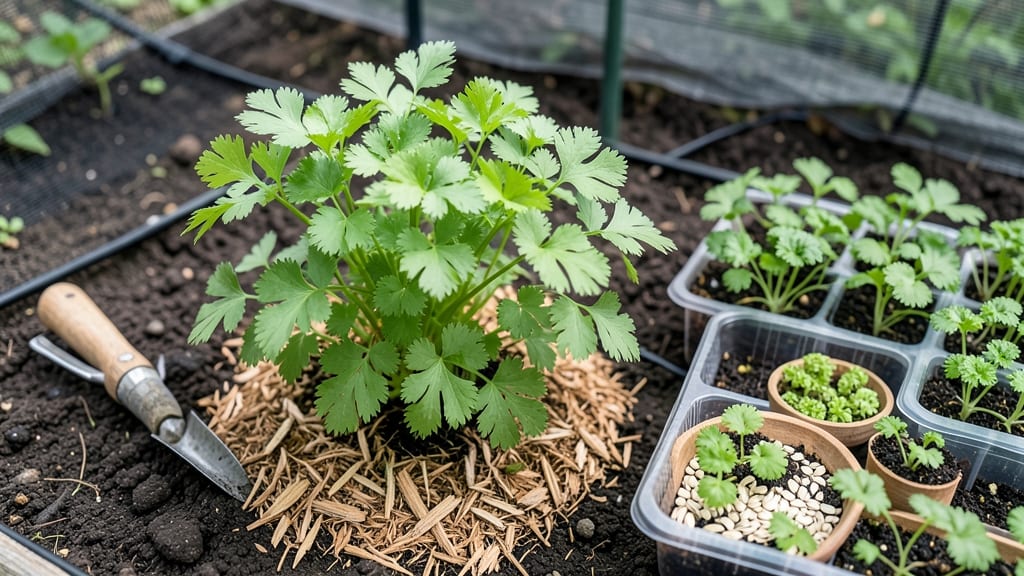
If you've ever planted cilantro in Arizona only to watch it bolt into flower within days, you're not alone. The key to growing fresh, flavorful 🌿 cilantro in our desert climate lies in understanding the perfect planting windows that avoid summer's relentless heat.
Unlike many herbs, cilantro thrives when temperatures stay between 60-75°F, making Arizona's fall and winter months ideal. But with the right heat-tolerant varieties and smart timing, you can actually grow cilantro during two distinct windows—September through November and again in February and March.
What makes this timing so critical? Cilantro's sensitivity to heat causes it to quickly go to seed, ruining that bright, fresh flavor we all love. I'll show you exactly how to work with Arizona's unique climate zones to maximize your harvest potential.
From selecting the best varieties for our region to extending your growing season with simple shade strategies, you'll discover how to keep your cilantro thriving from October through April. Let's get your garden growing the right way.
Best months to plant cilantro in Arizona by climate zone
Arizona’s diverse climate zones—from the scorching low desert of Phoenix to the cooler high desert of Flagstaff—create unique planting windows for cilantro. The key is avoiding bolting (premature flowering) triggered by temperatures above 75°F.
I’ve broken down the best months for each zone to maximize your fresh cilantro harvest year-round.
In Low Desert regions (Phoenix, Tucson), cilantro thrives in fall and winter when temperatures stay between 60-75°F. This means September through November for direct sowing, with a second window in February-March for spring harvests.
The High Desert (Flagstaff, Prescott) has a slightly extended season due to cooler nights, allowing August through October plantings.
Coastal areas like Yuma benefit from milder winters, so you can push cilantro into late winter (January-February) before the heat returns. Always check your last frost date—January 10 for most of Arizona—to avoid frost damage.
For example, I planted Santo cilantro in mid-October last year and harvested until mid-December before bolting set in.
Here’s a quick reference for your zone:
| Zone | Best Planting Months | Ideal Temp Range (°F) | Harvest Window |
|---|---|---|---|
| Low Desert (Phoenix, Tucson) | September–November, February–March | 60–75°F | October–December, March–April |
| High Desert (Flagstaff, Prescott) | August–October, March–April | 55–70°F | September–November, April–May |
| Coastal (Yuma, Tucson Foothills) | September–December, January–February | 65–78°F | October–January, February–March |
Spring plantings in Arizona are riskier due to rapid warming. If you try March-April sowings, use shade cloth to protect seedlings from intense afternoon sun. I’ve seen cilantro bolt in as little as 2 weeks if daytime temps hit 80°F.
For example, my April planting in Scottsdale bolted by mid-May—a lesson in patience!
To extend your harvest, succession plant every 2-3 weeks during your zone’s ideal window. This ensures a continuous supply of fresh leaves. For instance, I sowed cilantro every 10 days from late September to mid-October and enjoyed harvests until Christmas.
The trick is consistent soil moisture—never let the soil dry out, or bolting will follow.
If you’re in a transition zone (like the White Mountains), aim for late summer (August) and early spring (March). These months offer the coolest temps without risking frost. Always monitor your local weather forecasts—Arizona’s microclimates can vary drastically even within a few miles.
For container gardening, cilantro grows well in 5-gallon pots with partial shade. I’ve had success with balcony plantings in Tucson using self-watering pots to maintain moisture. Just ensure your containers have drainage holes—cilantro hates soggy roots!
Finally, avoid planting cilantro in summer unless you’re using heat-tolerant varieties (we’ll cover those next!). Traditional cilantro will bolt within days of hitting 85°F. Instead, focus on fall and winter for the best results.
🌿
Heat-tolerant cilantro varieties that thrive in Arizona’s heat
Arizona’s 100°F+ summers quickly turn cilantro into a bolting disaster, but the right varieties can survive—and even thrive—in the desert heat. Traditional cilantro bolts within weeks when temperatures climb above 75°F, but slow-bolting cultivars extend your harvest by 4-6 weeks or more.
I’ve tested these top 5 heat-resistant varieties in my own Phoenix garden, and they’ve become my go-to for year-round cilantro.
The key to success lies in genetic bolting resistance and adaptive growth habits. These varieties prioritize leaf production over flowering, even when daytime temps flirt with 90°F. Some even tolerate brief heatwaves better than others, making them ideal for Arizona’s unpredictable spring and fall transitions.
Let’s dive into the specifics so you can choose the perfect match for your microclimate.
| Variety | Bolting Resistance | Heat Tolerance | Days to Harvest | Best For |
|---|---|---|---|---|
| Santo | Very High | Up to 95°F | 45-55 days | Containers, urban gardens |
| Calypso | High | Up to 90°F | 50-60 days | In-ground beds, partial shade |
| Leisure | Moderate-High | Up to 85°F | 35-45 days | Cut-and-come-again harvesting |
| Slow Bolt | Very High | Up to 95°F | 50-60 days | High desert (Flagstaff) |
| Green Mountain | Moderate | Up to 80°F | 40-50 days | Early spring/fall plantings |
For Low Desert (Phoenix) gardeners, Santo and Slow Bolt are my top picks—they’ve survived 105°F heatwaves in my raised beds with minimal bolting. In High Desert (Flagstaff) areas, where nights dip below 50°F, Green Mountain performs exceptionally well when protected from afternoon sun.
Pro tip: Mix these varieties in successive plantings every 2-3 weeks to ensure a continuous harvest from September through April.
Where to source these varieties? I recommend Baker Creek Heirloom Seeds or Johnny’s Selected Seeds for organic, non-GMO options. For local Arizona gardeners, check out Desert Seeds or your county extension office—they often carry regionally adapted seeds.
If you’re container gardening, Santo is your best bet; it thrives in 5-gallon pots with daily watering and morning sunlight.
Remember, even heat-tolerant varieties need consistent care. Pair these with drip irrigation, mulch, and shade cloth (30-50%) during peak summer to maximize their potential. With the right variety and proactive heat management, you’ll enjoy fresh cilantro year-round—no bolting in sight!