
Plants
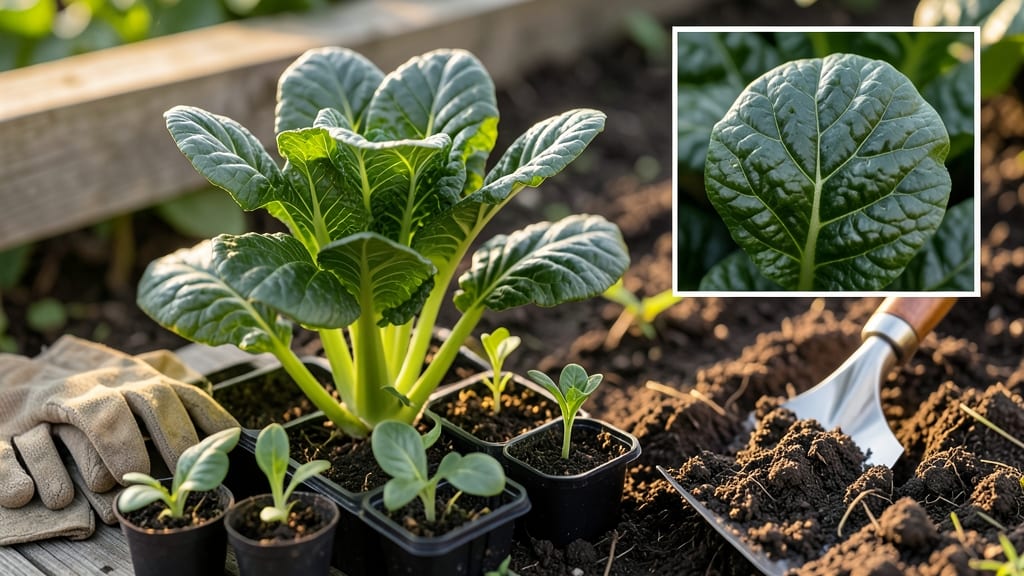
If you're wondering when to plant collards in Zone 7b, timing is everything—get it wrong, and you'll end up with bitter leaves or plants that bolt before they're ready.
These leafy greens 🥬 love cool weather but can handle a little heat, making them perfect for both spring and fall planting in your region.
Most gardeners in Zone 7b focus on fall plantings because the weather stays mild longer, but spring is also a great option if you start early.
The key is planting 4-6 weeks before your last frost date (around March 15) for spring or 8-10 weeks before the first frost (around November 15) for fall harvests.
In my experience, the best results come from sowing seeds in late summer (August-September) for a fall crop or early spring (March-April) for a spring harvest. This gives your collards enough time to mature before extreme temperatures hit, ensuring tender, flavorful leaves all season long.
Ready to grow your own? I'll walk you through the exact planting schedule, soil prep, and care tips to maximize your harvest—no more guesswork, just delicious, homegrown greens. Let's get started!

Optimal planting windows for collards in Zone 7B: weeks before frost
Collards are a cool-season powerhouse, but their flavor and growth depend on timing in Zone 7B. Planting too early exposes them to spring heat stress, while late plantings risk frost damage before harvest.
The sweet spot? 4-6 weeks before your average last frost for spring, and 8-10 weeks before first frost for fall. In Zone 7B (15-20°F winters), this translates to March-April for spring and August-September for fall.
Zone 7B’s mild winters and hot summers create unique challenges. Collards tolerate light frost (down to 20°F) but bolt when temps hit 80°F+ for days. The key is to time plantings around these extremes, avoiding both summer’s peak heat and winter’s first hard freeze.
For most Zone 7B gardeners, that means two planting windows per year—spring and fall—with precise timing to maximize harvests.
Why timing matters: Collards planted in late summer (August) mature just in time for fall harvests before frost, while spring plantings (March-April) avoid summer’s heat. Miss these windows, and you’ll deal with bitter leaves or stunted growth. Let’s break down the exact weeks before frost to aim for in each season.
🌱 Collards Planting Timeline for Zone 7B
| Season | Planting Window | Weeks Before Frost | Key Considerations |
|---|---|---|---|
| Spring | March 15 - April 15 | 4-6 weeks | Soil temps ≥50°F; avoid late spring heat |
| Fall | August 1 - September 15 | 8-10 weeks | Cool nights, warm days; harvest before frost |
| Late Summer (Bonus) | July 15 - August 1 | 10-12 weeks | Heat-tolerant varieties only; shade cloth helps |
For spring plantings, aim to sow seeds when soil temps hit 50°F+ (use a soil thermometer to check). In Zone 7B, this is typically mid-March, giving you 60-75 days to harvest before summer heat sets in.
If you miss this window, succession plant every 2 weeks until early May to stretch your harvest.
Fall is often the best time for collards in Zone 7B. Planting in early August gives you 8-10 weeks of growth before frost, while late August plantings may mature just in time for early October harvests.
Use row covers to extend fall harvests if temps dip below 25°F. Pro tip: Heat-tolerant varieties like ‘Georgia Southern’ or ‘Top Bunch’ handle late summer better than standard types.
Zone 7B’s mild climate lets you experiment with late summer plantings (July 15-August 1) if you choose heat-resistant varieties. These collards mature by early October, avoiding summer’s worst heat.
Just provide afternoon shade (use shade cloth) and water deeply to prevent bolting. This strategy works best for gardeners with drip irrigation or consistent watering schedules.
Missed the ideal window? Don’t panic. Transplanting young collards (4-6 weeks old) from a nursery can extend your season by 2-3 weeks. Just harden them off for 7-10 days before planting and water immediately after transplanting.
For fall, this means planting nursery starts in late August for a September-October harvest.
Remember: Collards are frost-tolerant but not frost-proof. A light frost (28-32°F) sweetens their flavor, but hard freezes (below 20°F) damage leaves. In Zone 7B, this usually means harvest before November 15 unless you use row covers.
For overwintering, mulch heavily (4-6 inches of straw) and harvest lightly to protect the plant.
To summarize: Zone 7B collards thrive with two key plantings—spring (March-April) and fall (August-September)—with 10-12 weeks to maturity. Use the table above as your planting calendar, and adjust based on your local frost dates (check your USDA Plant Hardiness Zone Map for precise dates).
With this timing, you’ll enjoy <
Optimal planting windows for collards in Zone 7B: weeks before frost
Zone 7B gardeners have two prime opportunities to grow collards: early spring and late summer/early fall. The key is planting when soil temperatures stay below 85°F but remain above 50°F—this sweet spot prevents bolting while ensuring steady growth.
For spring, aim for 4-6 weeks before your last frost date (typically March 15), while fall plantings should happen 8-10 weeks before the first frost (around November 15).
In my garden, I’ve found that late August to early September is the ideal window for fall plantings. This timing gives collards enough time to mature before temperatures drop, while avoiding the brutal summer heat that can stress young seedlings.
For spring, March 1-15 works best—just be prepared to protect seedlings if late frosts linger.
Collards are surprisingly heat-tolerant compared to other greens, but they still prefer cooler weather. If you plant too early in spring, seedlings may rot in cold soil, while late summer plantings risk bolting if temperatures spike above 80°F for extended periods.
The goal is to balance these factors for maximum leaf production and flavor.
| Planting Window | Ideal Months | Weeks Before Frost | Soil Temp (°F) | Harvest Window |
|---|---|---|---|---|
| Spring | March 1-15 | 4-6 | 50-70°F | April-May |
| Late Summer | August 15-Sept 1 | 8-10 | 60-75°F | October-Nov |
| Early Fall | Sept 15-Oct 1 | 6-8 | 55-70°F | Oct-Dec |
For spring plantings, start seeds indoors 4-6 weeks before your target outdoor date (around February 15) if you’re eager to get an early start. Transplant seedlings outdoors once soil temperatures stabilize above 50°F and nighttime temperatures stay above 40°F.
In my experience, using row covers for the first 2 weeks helps protect tender seedlings from unexpected late frosts.
Fall plantings are often more successful in Zone 7B because the weather cools naturally, reducing stress on the plants. If you’re planting in late summer, choose heat-tolerant varieties like 'Georgia Southern' or 'Blue Max' to avoid bolting.
Always sow seeds ¼ inch deep and space them 1 inch apart in rows 18 inches apart for optimal air circulation.
Remember, collards are biennial plants that often overwinter in Zone 7B. If you plant in early fall, they may produce a second flush of growth in spring, giving you an extended harvest. Just be sure to mulch heavily before winter to protect the crown from freezing temperatures.