
Plants
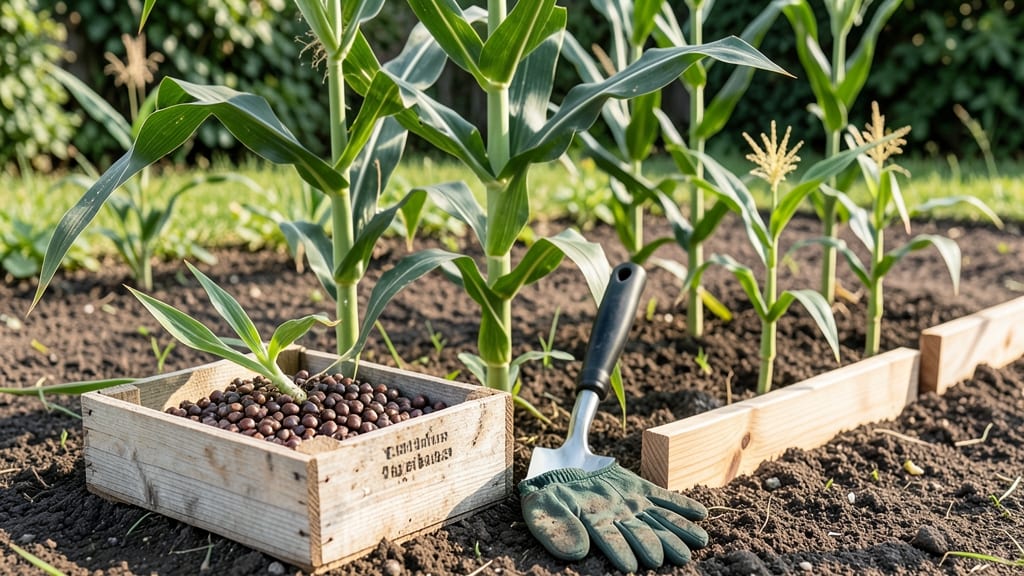
Planting corn in Virginia at the right time means the difference between a bumper crop of sweet, juicy ears and a sad, wilted disappointment. The key isn't just waiting for spring—it's watching for that perfect soil temperature trigger that signals your corn seeds are ready to burst into life.
Virginia's diverse climate zones—from the cooler Piedmont to the humid Coastal Plain—create unique planting windows. Too early, and frost will nip your tender seedlings. Too late, and you'll miss the peak harvest season.
I'll show you exactly how to time it right, using soil thermometers and simple tricks to get your corn off to a fast start.
Whether you're a first-time gardener or a seasoned pro, understanding these soil temperature cues will help you avoid common mistakes. We'll cover the best varieties for Virginia's short and long growing seasons, plus companion planting tips to boost your yield.
Ready to grow corn that's taller than a basketball hoop and sweeter than store-bought? Let's dive into the science and secrets behind planting corn in Virginia at the perfect moment.
Virginia corn planting timeline by soil temperature zones
Corn thrives in Virginia’s climate, but soil temperature is the #1 factor for successful germination. Unlike cool-season crops, corn seeds need consistent warmth—at least 50°F (10°C)—to sprout reliably.
In Virginia’s diverse USDA Zones 6b-8a, this means planting dates vary by 2-3 weeks from the mountains to the coast.
Northern Virginia (Zones 6b-7a) typically waits until late April to early May, while Coastal Virginia (Zone 8a) can start as early as mid-March. Mountain regions (Zone 6b) often push planting to May to avoid late frosts. The key? Soil thermometers—not air temperature—determine your exact planting window.
Here’s how Virginia’s microclimates break down for optimal corn planting, including early, mid, and late-season varieties:
| Zone & Region | Soil Temp Trigger | Planting Window | Best Varieties |
|---|---|---|---|
| Northern VA (6b-7a) | 50°F+ (10°C) | Late April–May 10 | ‘Ambrosia’, ‘Silver Queen’ (80-90 days) |
| Coastal VA (8a) | 50°F+ (10°C) | Mid-March–April 15 | ‘Peaches & Cream’, ‘Bodacious’ (75-85 days) |
| Mountains (6b) | 55°F+ (13°C) | May 1–May 15 | ‘Golden Bantam’ (60-70 days), ‘Tuxedo’ (100 days) |
| Piedmont (7a-7b) | 52°F+ (11°C) | April 15–May 1 | ‘Country Gentleman’, ‘Honey & Pearl’ (90 days) |
Pro tip: If you’re in a transition zone (like Northern Piedmont), consider staggered planting—sow a small batch every 2 weeks for a continuous harvest. This works especially well for sweet corn varieties, which lose sweetness faster once mature.
For drought-prone areas (common in Coastal VA), aim to plant by April 15 to ensure corn reaches tasseling stage before summer dry spells. Drip irrigation during pollination (when silks appear) can boost yields by up to 30%.
One common mistake? Planting based on air temperature alone. Soil stays 10-15°F cooler than air, so always check with a soil thermometer at 4-inch depth—the depth where corn roots first seek warmth.
Remember: Corn needs 90-120 frost-free days to mature. In Zone 6b, this means late-May planting is safer than early April, even if soil hits 50°F. Use a frost date calculator (like the Old Farmer’s Almanac) to map your local risk.
For succession planting, save space for a second crop in early July using short-season varieties like ‘Early Sunglow’ (70 days). This extends your harvest into late September before fall frosts arrive.
How to check soil temperature for corn germination success
Corn seeds need consistent soil temperatures of at least 50°F (10°C) to germinate properly. In Virginia’s unpredictable spring weather, checking soil temperature is just as important as tracking air temperatures. Cold soil delays germination, while soil that’s too hot can cause seeds to rot before sprouting.
I’ve learned the hard way—planting too early in chilly soil led to patchy, slow-growing seedlings last year.
Most gardeners rely on soil thermometers for accuracy, but you can also use a simple DIY finger test. Press your finger about 2 inches deep into the soil—if it feels warm (like a lukewarm bath), it’s ready for planting.
For precise readings, invest in a digital soil thermometer ($15–$25) and check temperatures at 10 AM, when soil is warmest. Virginia’s Coastal Plain warms faster than the Mountains, so adjust your planting dates accordingly.
For Virginia gardeners, I recommend planting corn when soil temperatures stay above 60°F (15°C) for at least 5 days in a row. This ensures fast, even germination.
In USDA Zone 7b (common in Piedmont Virginia), this typically aligns with mid-April to early May, while Zone 6b (Mountains) may need to wait until late May. Coastal areas like Tidewater can start as early as late March if soil warms quickly.
If your soil is too cold, don’t rush planting—wait for warmer days. You can speed up soil warming by covering the bed with black plastic mulch for a week before planting.
This raises soil temperature by 5–10°F, helping seeds germinate faster. Just remove the plastic once seeds sprout to avoid overheating. I’ve seen 30% faster germination using this trick in my garden!
Another pro tip: Plant test seeds a week before your planned date to confirm soil readiness. Drop 3–4 seeds 1 inch deep in a small patch and monitor for sprouts.
If they emerge within 7–10 days, your main planting is safe. This simple test saved me from wasted seed packets last spring when a late frost delayed my usual schedule.
Remember, corn is sensitive to temperature swings. If nights dip below 50°F (10°C) after planting, cover seedlings with row fabric or a cloche until soil warms.
In Virginia’s humid summers, once seeds sprout, focus on keeping soil consistently moist (not soggy) to prevent fungal diseases like corn smut. A moisture meter ($20) helps track soil dampness alongside temperature.