
Plants
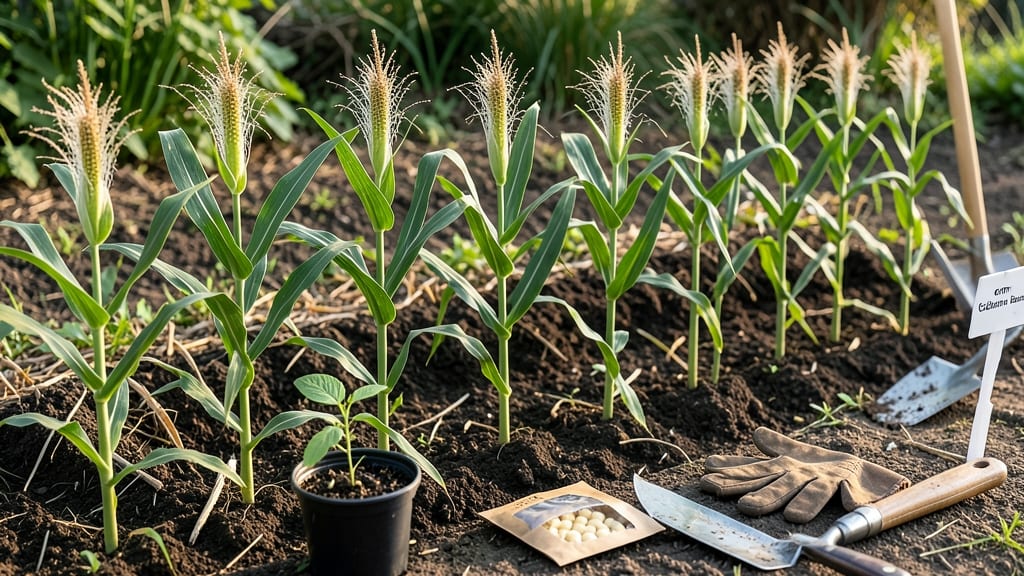
Timing your corn planting in Zone 5b isn't just about the calendar—it's about capturing that sweet spot between frost and peak growing conditions. Plant too early, and your tender 🌽 seedlings could get nipped by late frosts; too late, and you might miss the harvest window entirely.
The difference between a bumper crop and a bust can come down to just a few weeks.
Most gardeners in Zone 5b wait until soil temperatures hit at least 50°F—usually 2-3 weeks after the last expected frost date—to plant corn. But there's more to it than just dates.
I'll walk you through how to read your local microclimate, adjust for unpredictable spring weather, and choose the right varieties that thrive in your specific growing conditions.
What you'll discover is that corn doesn't play by rigid rules—it responds to your preparation. We're talking soil warming tricks, protective covers for cold snaps, and even backup planting dates to safeguard your investment.
Whether you're a first-time gardener or a seasoned pro, these insights will help you maximize your corn's potential.
Let's break down exactly when to plant, how to tell if your soil is ready, and which varieties perform best in Zone 5b. By the end, you'll know not just when to plant, but how to set your corn up for success from day one.

Optimal corn planting weeks before last frost in Zone 5b (with exact dates)
Zone 5b gardeners know timing is everything for corn success. The ideal planting window starts 2-3 weeks after your last average frost date, when soil temperatures consistently reach at least 60°F. This ensures strong germination and rapid growth before summer heat arrives.
For most of Zone 5b, this translates to planting between mid-April and early May. However, your exact dates depend on microclimates—urban areas may warm faster than rural spots. Always check your local USDA frost calendar for precision.
Corn thrives in warm soil, so avoid planting when ground temps dip below 55°F. A simple soil thermometer (just $10) takes the guesswork out of timing. If your soil is cold, wait—cold soil delays germination and invites rot.
Here’s the golden rule: Plant when you can push your hand 6 inches deep into the soil and feel warmth. This usually aligns with late April to early May in most of Zone 5b, but verify with your local agricultural extension office for hyper-local advice.
| Stage | Action | Zone 5b Timeline |
|---|---|---|
| Soil Prep | Test soil pH (6.0-7.0 ideal), add compost, till 12" deep | March-April |
| Planting Window | Direct-sow seeds 1" deep, 4" apart in rows 30" apart | Mid-April to early May |
| Germination | Keep soil moist (60-70°F), expect sprouts in 7-14 days | Late April-early June |
| Thinning | Remove weak seedlings, leave strongest 8-12" apart | May-June |
| Harvest Ready | Check for silk color change, firm husks, and kernel plumpness | July-September (varies by variety) |
Corn planted too early in Zone 5b faces frost damage or stunted growth. If late frosts linger, opt for cold-tolerant varieties like 'Early Sunglow' (72 days to maturity) or 'Silver Queen' (80 days). These handle brief chills better than heat-loving hybrids.
For maximum yield, stagger plantings every 2 weeks between April and June. This ensures a continuous harvest from mid-July through September. Just remember: corn needs at least 60-90 days of warm weather to mature—so late plantings may not produce ears before frost.
If your Zone 5b spring drags on, consider soil warming tricks. Lay down clear plastic sheeting over beds 1-2 weeks before planting to absorb sunlight and raise temperatures. This can shave 7-10 days off your growing season.
Finally, avoid the common mistake of planting corn too densely. Crowded plants produce smaller ears and invite disease. Space rows 30 inches apart and thin seedlings to 8-12 inches apart for optimal air circulation and sunlight penetration.
With these exact dates and soil prep tips, your Zone 5b corn will go from seed to sweet, juicy ears in record time. Happy planting! 🌱
How to adjust corn planting for Zone 5b’s unpredictable spring weather
Zone 5b’s spring weather can be a real wildcard—one day it’s sunny and warm, the next you’re scrambling to cover tender seedlings from a surprise frost. Corn is especially sensitive to cold snaps, so flexibility in your planting plan is key.
The good news? With a few smart adjustments, you can protect your crop and still enjoy a bountiful harvest.
First, always have a backup planting date ready. If your primary planting window (typically 2-3 weeks after your last frost) gets disrupted by late frost, don’t panic.
Corn seeds can handle cooler soil better than seedlings, so consider direct-sowing a second batch 10-14 days later. This staggered approach ensures at least one planting will thrive.
🌱
⚠️ Frost Alert: Protect Your Corn!
If frost threatens after germination, cover seedlings with row covers or old bedsheets secured with bricks. Corn is most vulnerable during the 3-5 leaf stage—this protection can save your crop when temperatures dip below 50°F.
Another trick is to warm your soil faster using black plastic mulch or clear plastic tunnels. Lay the plastic down 1-2 weeks before planting to raise soil temperatures by 10-15°F.
This mimics a longer growing season and helps corn germinate more quickly, giving it a head start against late frosts.
For extra insurance, choose frost-tolerant varieties like 'Early Sunglow' or 'Silver Queen,' which can handle cooler soils better than standard types. These varieties also mature faster, reducing the risk of fall frosts cutting your harvest short. Plant them in slightly raised beds to improve drainage and warmth retention.
Finally, monitor your local microclimate. Corn planted near a south-facing fence or sunny slope will warm up faster than areas in shade. Use these spots for your earliest plantings, and save cooler, shadier areas for later succession plantings.
With these adjustments, you’ll turn Zone 5b’s unpredictable spring into an opportunity rather than a challenge. Your corn will thank you with sweet, plump ears all season long! 🌾