
Plants
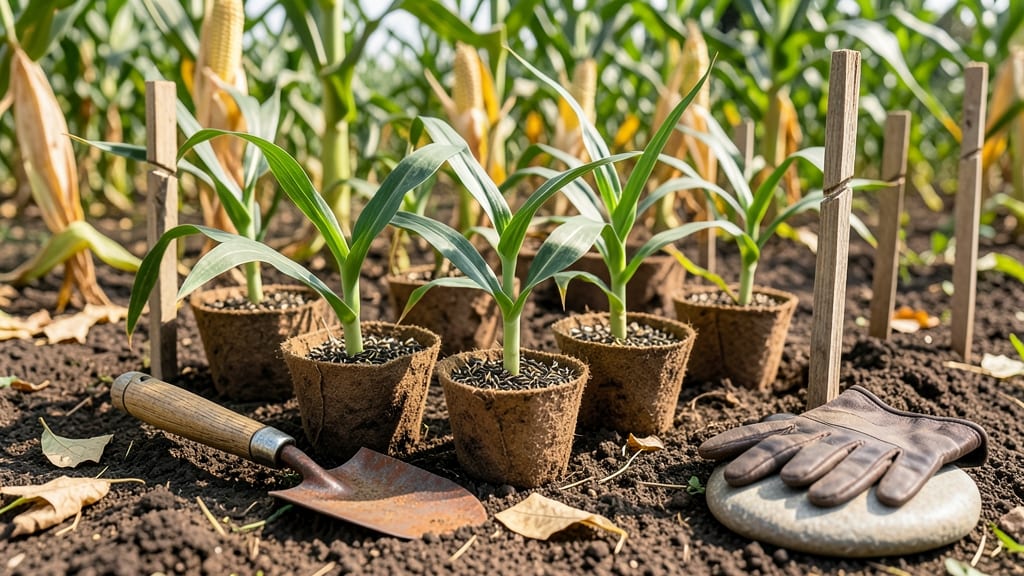
Knowing when to plant corn in Zone 6a can make or break your harvest—because corn seeds won’t sprout until the soil hits at least 50°F, and waiting too long risks heat stress. If you’ve ever watched your corn seeds sit stubbornly in cold soil for weeks, you’re not alone.
The key isn’t just checking the calendar; it’s understanding how your local microclimate plays with Zone 6a’s mid-April to early May window.
Planting too early means soggy, slow germination, while waiting too late could leave you with ears struggling in summer heat. I’ll break down the exact soil temperature thresholds your 🌽 corn needs to thrive, plus how to adjust for Zone 6a’s unpredictable springs.
Whether you’re growing sweet corn or heirloom varieties, timing is everything—and I’ve got the data to prove it.
You’ll also discover how to test your soil warmth (without fancy tools), spot the warning signs of delayed sprouting, and even tweak your planting strategy with row covers or raised beds. No more guessing—just reliable, science-backed advice tailored to Zone 6a’s climate quirks. Let’s get those kernels sprouting on schedule.
By the end, you’ll know exactly when to drop those seeds for a bumper crop, from last frost dates to the ideal 60-75 day varieties that perform best in your zone. Ready to turn your corn patch into a golden harvest? Let’s dig in.

Zone 6A corn planting timeline: when soil warmth meets seed germination needs
Corn thrives when planted after your Zone 6A last frost date—typically around April 15—but the real magic happens when soil temperatures hit 50°F or warmer. In cooler Zone 6A springs, waiting for this warmth is critical to avoid slow germination or rot.
Most corn seeds need 60-75 days to mature, so timing directly impacts your harvest window.
For sweet corn varieties, aim to plant between mid-April and early May when soil temps consistently stay above 55°F. Heirloom and field corn varieties can tolerate slightly cooler soils but still need at least 50°F for reliable sprouting.
Using a soil thermometer (inserted 2 inches deep) is the best way to confirm readiness.
Your microclimate matters—low-lying areas or north-facing plots may stay cold longer. If your soil is still chilly by early May, consider raised beds or black plastic mulch to warm it faster. These tricks can shave 1-2 weeks off your planting timeline, giving you an earlier harvest.
Corn planted too early in Zone 6A often suffers from fungal diseases like seed rot or damping-off. The 10-day rule applies: if your average nighttime temps drop below 50°F after planting, germination slows dramatically.
For example, seeds planted in late March might take 3+ weeks to sprout instead of the usual 7-10 days.
Here’s how variety selection affects timing: Early-season hybrids (e.g., 'Ambrosia' or 'Peaches and Cream') mature in 60-70 days, making them ideal for Zone 6A’s shorter growing season. Mid-season varieties (like 'Silver Queen') need 75-90 days and should be planted by mid-May to avoid frost risks.
| Corn Type | Days to Maturity | Ideal Planting Window (Zone 6A) | Soil Temp Threshold (°F) | Harvest Window |
|---|---|---|---|---|
| Sweet Corn (Early) | 60-70 | Mid-April to early May | 55°F+ | Late July to early August |
| Sweet Corn (Mid) | 75-90 | Early to mid-May | 50°F+ | Late August to September |
| Heirloom/Field Corn | 90-120 | Late May | 50°F+ | Late September to October |
Zone 6A’s 165 frost-free days limit your corn-growing window, so plan accordingly. If you miss the spring window, fall planting is risky—corn needs 90+ days of warm weather to mature, and late summer frosts can ruin ears before harvest.
For a second harvest attempt, try short-season varieties planted in early July with row covers to extend the season.
Pro tip: Use a planting calendar that accounts for your local frost dates (not just USDA averages).
For example, if your area’s last frost is May 1 instead of April 15, adjust your timeline. Succession planting every 2 weeks in May can stretch your harvest into September, giving you fresh corn for 3+ months.
Don’t overlook seed viability—old seeds (over 2 years) germinate poorly in cold soils. Test a few seeds in a damp paper towel for 3-5 days to check viability before planting. If germination rates drop below 80%, replace your seed stock for better success rates.
Finally, companion planting can help mitigate timing risks. Pair corn with beans or squash to improve soil health and deter pests, giving your crop a competitive edge in Zone 6A’s shorter growing season. These pairings also help retain soil moisture, reducing stress on young plants during dry spells.
🌽
Zone 6A corn planting timeline: when soil warmth meets seed germination needs
In Zone 6A, corn seeds need soil temperatures of at least 50°F to germinate reliably—colder soil delays sprouting by weeks. Most gardeners aim for planting between mid-April and early May, but this varies based on your last frost date and microclimate.
For example, areas near large bodies of water may have warmer soil earlier than inland locations.
Sweet corn varieties like 'Silver Queen' or 'Golden Bantam' typically mature in 75-90 days, so timing is critical to avoid early fall frosts. Field corn and heirloom types may need slightly longer growing seasons.
Always check your seed packet for days to maturity and count backward from your first expected frost date.
| Stage | Zone 6A Timeline | Soil Temp Requirement |
|---|---|---|
| Planting Window | Mid-April to early May | ≥50°F (10°C) |
| Germination | 7-14 days | 55-65°F (13-18°C) |
| Transplanting (if started indoors) | Late May (after all frost risk) | ≥60°F (16°C) |
| Harvest Ready | Late August to October | N/A (maturity-based) |
Pro tip: Use a soil thermometer to confirm warmth before planting—corn seeds won’t sprout in cold, damp soil. If temperatures fluctuate, opt for heat-tolerant varieties like 'Peaches and Cream', which handle cooler starts better than standard sweet corn. Always plant in blocks (not rows) to improve pollination success.
For Zone 6A gardeners, late plantings in June can still yield corn if you choose short-season varieties (60-70 days to maturity). Just be prepared for smaller ears.
My personal rule? If your soil is below 55°F at 4 inches deep, wait at least a week before planting—patience pays off with stronger stands.
Don’t forget: Corn thrives on consistent warmth. Even if your air temperatures feel spring-like, check soil temps at 4-6 inches deep—this is where seeds need reliable heat. A black plastic mulch can warm soil by 5-10°F faster than bare earth, giving you an earlier start.
In my Zone 6A garden, I’ve found that planting mid-to-late April (after April 15) gives the best balance between avoiding frost and ensuring soil warmth. Use these guidelines, but always adjust for your specific location’s microclimate—your neighbor’s perfect timing might not work for you!