
Plants
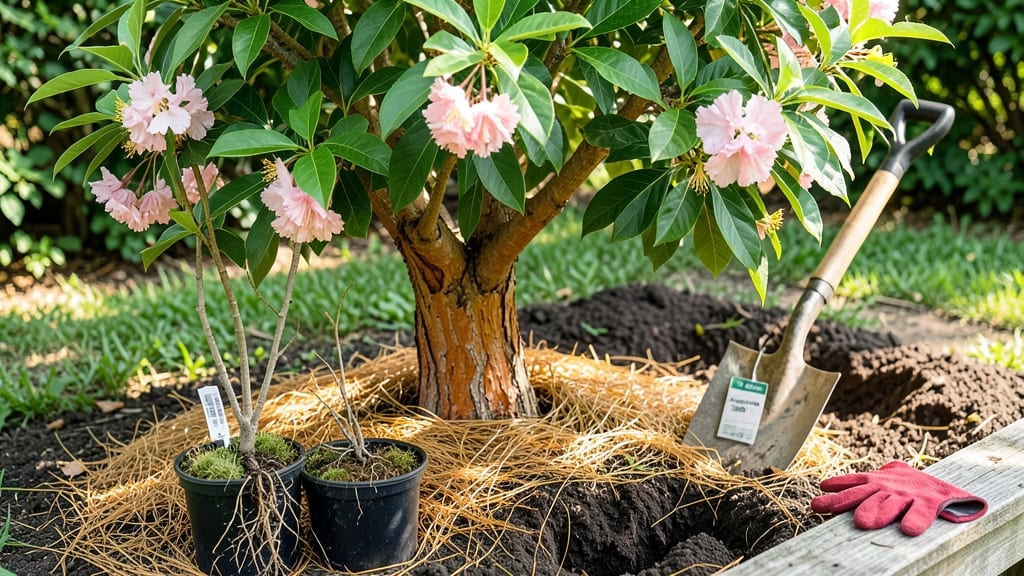
Timing your Crepe Myrtle 🌸 planting in North Carolina isn’t just about the calendar—it’s about avoiding frost damage and maximizing growth in zones 6a-8b. Plant too early, and you risk stunted roots; too late, and summer heat can stress your tree before it takes hold.
Most gardeners in NC swear by late winter to early spring (March-April) as the sweet spot, but your exact window depends on whether you're in the Piedmont or coastal regions.
The key? Planting after the average last frost date (March 15) when soil temps hit 60°F—this gives your tree the jumpstart it needs.
I’ll break down the exact chill-hour requirements for your zone and share pro tips for heat-tolerant varieties that thrive in NC’s climate. Whether you’re a first-time planter or a seasoned gardener, these insights will help you avoid common mistakes and get your Crepe Myrtle off to a robust start.
Ready to plant with confidence? Let’s dive into the perfect timing and soil prep tricks that make all the difference for your 🌸 Crepe Myrtle’s long-term success.
Best planting months for crepe myrtle in NC by chill-hour zones
North Carolina’s diverse climate—from the coastal plains to the mountain regions—means your crepe myrtle’s ideal planting window depends on your USDA zone and chill-hour requirements.
Most NC zones (6a-8b) thrive when planted in late winter or early spring, but timing shifts slightly based on how much cold your variety needs to bloom. Let’s break it down by region.
For Zone 6a (mountains), where winters are colder, aim to plant between March 15 and April 15. This gives roots time to establish before summer heat arrives.
In Zone 7a-8b (Piedmont and coastal areas), you have a wider window—February 20 to April 30—since milder winters reduce frost risk. Always plant after the last frost date (typically March 15 in NC) to avoid cold damage.
Fall planting is riskier in NC due to unpredictable freezes, but September 15 to October 15 works in Zone 7b-8b if you choose heat-tolerant varieties like ‘Natchez’ or ‘Tonto’. In colder zones (6a-7a), skip fall planting entirely—crepe myrtles need time to harden off before winter.
Here’s the golden rule: Soil temperature matters more than air temperature. Use a soil thermometer—crepe myrtles thrive when soil is at least 60°F (15°C). In NC, this usually aligns with mid-March to early April for most regions.
Planting too early in cold soil stunts root growth, while waiting too long risks summer stress.
| Zone | Best Planting Window | Chill-Hour Needs | Soil Temp Requirement |
|---|---|---|---|
| 6a (Mountains) | March 15–April 15 | 300–600 hours | 60°F+ |
| 7a (Piedmont) | March 1–April 30 | 150–400 hours | 60°F+ |
| 7b–8b (Coastal) | February 20–April 30 | 0–200 hours | 60°F+ |
| Fall Option (Zones 7b–8b) | September 15–October 15 | N/A (heat-tolerant vars only) | 65°F+ |
Pro tip: Bare-root crepe myrtles (sold without soil) can handle earlier planting than container-grown trees. Soak bare roots for 2–4 hours before planting to jumpstart root growth. Container-grown trees, however, need warmer soil—wait until April 1 or later in colder zones to avoid transplant shock.
If you’re in Zone 8b (coastal NC), you can push the envelope and plant as early as February 1 for heat-loving varieties like ‘Arapaho’ or ‘Muskogee’.
These types bloom earlier and handle NC’s humid summers better than traditional varieties. Just monitor for aphids—they love crepe myrtles in warm weather!
One mistake I see often? Planting crepe myrtles in late May or June because “it’s hot out.” While possible, your tree will struggle to establish roots before summer drought hits.
If you must plant late, mulch heavily (3–4 inches of shredded bark) and water deeply 2–3 times per week until fall. Without this, your crepe myrtle may enter dormancy prematurely.
For the best results, align your planting with NC’s bloom cycle. Most crepe myrtles need chill hours to set buds, so planting in March or early April ensures vibrant summer flowers.
Varieties like ‘Catawba’ (deep purple) or ‘Pink Velour’ (blush tones) will reward you with longer bloom seasons if planted at the right time.
🌸
Best planting months for crepe myrtle in NC by chill-hour zones
North Carolina’s diverse climate—from the cooler Piedmont to the warmer coastal plains—means crepe myrtle planting timing varies by USDA zone. In Zone 6a (mountains), aim for late April to early May after frost risk passes.
Meanwhile, Zone 8b (coastal areas) can plant as early as February to March when soil warms.
Crepe myrtles thrive with 300-600 chill hours (below 45°F), so timing ensures they break dormancy safely. Planting too early in Zone 6a risks frost damage, while Zone 7a-8b areas can handle earlier starts.
Always check your local last frost date—NC’s averages range from March 15 (Piedmont) to April 1 (coastal).
🌱 Pro Tip: Use a soil thermometer—crepe myrtles prefer soil temps above 60°F for root establishment.
Fall planting is riskier in NC due to limited root growth before winter. If you must plant in autumn, choose September in Zone 7b+—water deeply to encourage root establishment before frost. Avoid late fall planting in Zone 6a, where early frosts can damage tender roots.
For container-grown crepe myrtles, adjust timing by 2-4 weeks later—their roots are less established. Bury the root ball 2 inches deeper than in the nursery to stabilize the tree in NC’s humid summers, which can cause transplant shock.
Monitor your tree’s foliage color after planting: dark green leaves signal healthy growth, while yellowing may indicate overwatering or poor drainage. Mulch with 3 inches of pine straw to retain moisture and regulate soil temps.