
Plants
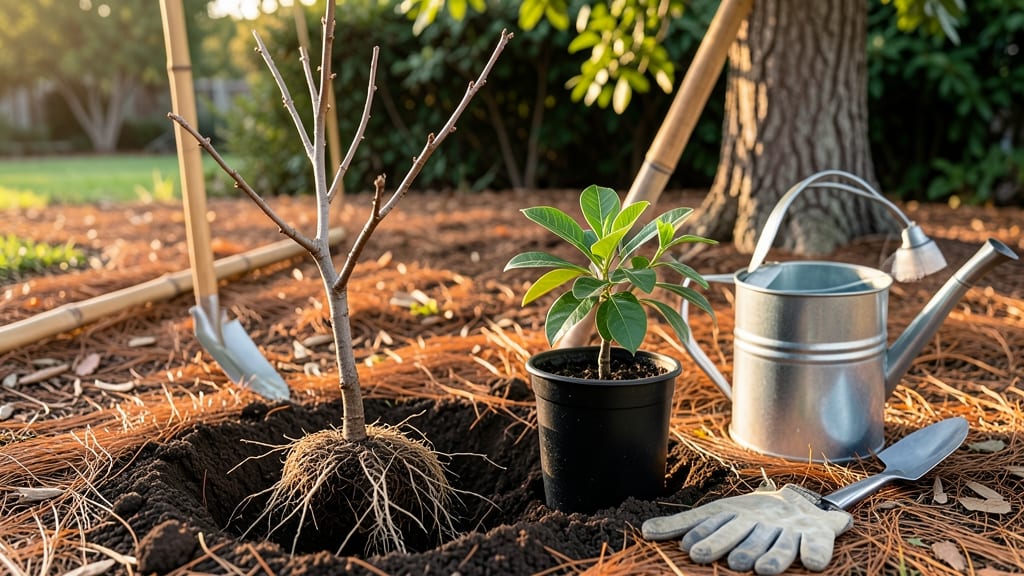
Planting your crepe myrtle 🌸 at the wrong time in North Carolina can mean the difference between a stunning, long-lived tree and one that struggles for years. The key to success lies in understanding the exact months when soil temperatures and frost patterns align perfectly for strong root growth.
If you've ever wondered why some crepe myrtles thrive while others seem to fight just to survive, timing is often the most important factor.
In North Carolina's USDA zones 6a to 8b, the ideal planting window gives your tree the best chance to establish itself before summer heat or winter frost arrives.
Most gardeners in your state know the basics - late winter to early spring or fall are the best times. But did you know that planting in September or October actually gives your crepe myrtle a head start on root development before winter?
This simple adjustment can make all the difference in how quickly your tree matures and blooms.
Whether you're planting in the Piedmont's cooler climate or along the coastal plains where humidity plays a bigger role, I'll show you exactly how to time your planting for maximum success in North Carolina's unique growing conditions. Let's get started.
Best planting months for crepe myrtles in North Carolina’s climate zones
North Carolina’s diverse climate zones (6a-8b) create two ideal windows for planting crepe myrtles: late winter to early spring and fall. Timing matters because crepe myrtles need 60°F soil temperatures to establish roots before summer heat or winter frosts arrive.
Let’s break down the best months for each zone and why they work.
In USDA Zone 6a (western NC mountains), where frosts linger longer, aim for April 15-May 15 or September 15-October 15. Cooler soils in spring delay root growth, while fall planting lets roots settle before winter dormancy.
For Zone 7a-8b (coastal and Piedmont regions), expand your window to March 1-April 30 or August 15-October 15.
Here’s why these windows matter: Crepe myrtles grow best when soil temperatures stay above 60°F for 6+ weeks. Planting too early risks frost damage to tender roots, while late planting may leave them underdeveloped for summer heat.
North Carolina’s average last frost date (March 15) and first frost date (November 15) guide these timelines.
Soil temperature is your best indicator—use a soil thermometer to confirm it’s 60°F+ before planting. In Zone 6a, wait until soil warms in late April; in Zone 8b, you can plant as early as late February.
Fall planting works because crepe myrtles enter dormancy by late fall, protecting new roots from winter chills.
| Zone | Best Planting Window | Soil Temp Requirement | Key Consideration |
|---|---|---|---|
| 6a (Mountains) | April 15-May 15 September 15-October 15 |
60°F+ for 6+ weeks | Avoid late frosts; mulch heavily |
| 7a (Piedmont) | March 15-April 30 August 15-September 30 |
60°F+ for 4-6 weeks | Balanced frost risk; monitor soil moisture |
| 7b-8a (Coastal) | February 15-April 15 August 1-September 30 |
55°F+ for 4+ weeks | Warmer soils; watch for humidity |
| 8b (Southeast NC) | January 15-April 1 July 15-September 15 |
50°F+ for 3+ weeks | Longer growing season; prioritize root depth |
Microclimates in North Carolina add another layer—urban areas (like Raleigh) may warm faster than rural zones, while mountain valleys (like Asheville) stay cooler. Adjust your planting by 1-2 weeks based on local conditions.
For example, if your yard stays 10°F cooler than the regional average, plant 2 weeks later in spring.
Crepe myrtles planted in fall (September-October) often outperform spring plantings because they establish roots before summer heat stress. In Zone 8b, you can even plant as late as November 1, but avoid planting after November 15 to prevent root damage from early frosts.
Mulch with 3-4 inches of wood chips to insulate roots in winter.
If you’re in Zone 6a and miss the spring window, don’t panic—bare-root crepe myrtles can be planted in late fall (October-November) as long as the ground isn’t frozen. Just water deeply before the first hard frost (28°F) to protect new roots.
For container-grown trees, plant anytime the soil is workable, but aim for spring or early fall.
Pro tip: Acclimate container-grown crepe myrtles for 1-2 weeks before planting by placing them in partial shade and watering deeply. This reduces transplant shock, especially in Zone 7b+, where summer heat can stress young trees. Pair this with a root stimulator at planting for faster establishment.
Remember, crepe myrtles thrive with full sun (6+ hours daily), so choose a location with minimal shade competition. In Zone 8b, afternoon shade can help young trees avoid heat stress during July-August.
Once established, these trees are drought-tolerant, but proper planting timing ensures they bloom beautifully for decades.
Best planting months for crepe myrtles in North Carolina’s climate zones
North Carolina’s diverse climate—from the mountains’ cooler zones (6a-7a) to the coastal plains’ warmer regions (8a-8b)—means crepe myrtles thrive when planted at the right time.
The ideal window is late winter to early spring (February–April) or fall (September–October), when soil temperatures hover between 60–70°F and frost risks are minimal.
In USDA Zone 6a (mountains), aim for April planting after the last frost (typically March 15), while Zone 8b (coastal areas) gardeners can plant as late as early November before winter chill sets in. The key? Establish roots before summer heat or winter dormancy.
| NC Region | USDA Zone | Best Planting Months | Soil Temp Goal | Frost Risk |
|---|---|---|---|---|
| Mountains | 6a-7a | April–May | 60–65°F | High (late spring) |
| Piedmont | 7b-8a | March–April or Sept–Oct | 65–70°F | Moderate (early/late) |
| Coastal Plains | 8a-8b | Feb–March or Oct–Nov | 70–75°F | Low (mild winters) |
*Avoid planting when soil temps drop below 55°F or exceed 85°F.
For spring planting, wait until soil warms to 60°F—use a soil thermometer to check.
In fall, plant 6–8 weeks before first frost (typically November 15) to allow roots to anchor before winter. Container-grown crepe myrtles can handle slightly cooler soils, giving you a 2-week flexibility window.
Pro tip: If you miss the ideal window, bare-root trees can be planted in early December (mountains) or late January (coastal), but expect slower initial growth. Always water deeply after planting to reduce transplant shock.
North Carolina’s microclimates matter—urban heat islands (e.g., Raleigh) may let you plant 2 weeks earlier than rural areas, while elevated mountain gardens should delay until after May 1. Monitor local frost forecasts for precision timing.
Timing isn’t just about months—it’s about soil conditions. Amend heavy clay soils with compost or sand to improve drainage, and avoid planting in waterlogged areas. With the right timing, your crepe myrtle will burst into vibrant blooms by summer.