
Plants
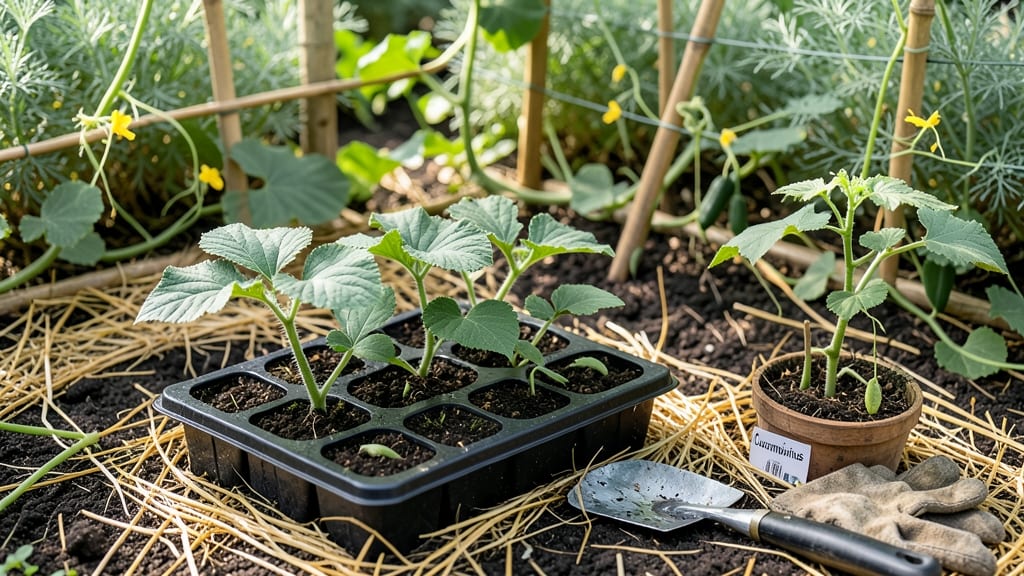
Timing your 🥒 cucumber planting in Chicago isn’t just about waiting for spring—it’s about beating the city’s notorious late frosts while giving your vines enough warm weather to thrive.
With USDA Zone 6a conditions and unpredictable shifts between snow and sunshine, getting those seeds in the ground too soon can leave you with wilted hopes instead of crisp harvests.
Most gardeners here aim for mid-April to early May, but the real secret lies in soil temperature—wait until it hits 60°F and all frost danger has passed. That means checking your local forecast (or even your garden’s microclimate) because Chicago’s lake-effect weather can throw off even the best-laid plans.
Once you’ve nailed the timing, the next challenge is choosing the right varieties—heat-tolerant types like ‘Straight Eight’ or ‘Marketmore’ perform best in our summers.
I’ll walk you through exactly when to plant, how to protect your crop from late frosts, and which tricks experienced Chicago gardeners use to stretch the season.
Whether you’re a first-time planter or a veteran with past failures, these insights will help you avoid common mistakes and maximize your harvest from July through September. Let’s get those cucumbers growing the right way.
Chicago’s exact weeks after last frost for planting cucumbers (with heat-tolerant varieties)
Chicago’s USDA Zone 5b/6a climate means timing cucumber planting is critical—wait too long, and you’ll miss peak harvest season. The average last frost date is April 15, but soil temperature must reach 60°F before planting.
This usually happens 2–3 weeks after the last frost, around late April to early May.
For heat-tolerant varieties like 'Straight Eight' or 'Marketmore', aim to plant 2–3 weeks after your last frost date. These varieties thrive in Chicago’s hot summers and handle humidity better than others. If you’re starting seeds indoors, begin them 3–4 weeks before your target outdoor date.
Here’s a week-by-week planting schedule tailored for Chicago’s climate, including soil temperature and frost risk:
| Stage | Action | Notes |
|---|---|---|
| Week 1-2 (Early April) | Start seeds indoors | Use grow lights; keep soil at 70°F |
| Week 3-4 (Late April) | Hardening off seedlings | Acclimate to outdoor temps over 7 days |
| Week 5 (Early May) | Transplant outdoors | Soil temp ≥60°F; use black plastic mulch |
| Week 6-8 (Mid-May) | Succession planting | Add new seeds every 2 weeks for extended harvest |
| Week 10-12 (June) | Peak harvest begins | Harvest every 2-3 days to encourage production |
Chicago’s first frost typically arrives around October 15, giving you roughly 165 frost-free days. For a second planting, try late July with fast-maturing varieties like 'Bush Champion'. These can produce cucumbers before the first frost hits, though yields may be smaller.
Always monitor local frost alerts from the National Weather Service or Chicago Botanic Garden updates. Microclimates in Chicago—like warmer areas near Lake Michigan—can extend your growing season by 1–2 weeks. If you’re near the lake, consider planting 1 week earlier than the average frost date.
For soil preparation, amend your garden beds with compost and a balanced fertilizer (5-10-10) 2 weeks before planting. Cucumbers thrive in well-draining soil with a pH of 6.0–6.8. Test your soil in early spring to adjust as needed—Chicago’s clay-heavy soil often needs organic matter to improve drainage.
If you’re using container gardening, opt for 5-gallon pots or larger to accommodate cucumber vines. Place containers in full sun (6+ hours daily) and use self-watering systems to maintain consistent moisture, which is critical in Chicago’s humid summers.
Pro tip: Use black plastic mulch to warm soil faster and suppress weeds. This is especially helpful in Chicago’s cool springs, where soil may take longer to reach the ideal 60°F temperature for germination.
🌱
How to extend Chicago’s growing season for cucumbers (cold frames, row covers, and succession planting)
Chicago’s short growing season and unpredictable late spring frosts can cut cucumber harvests short—but don’t let that stop you. With the right strategies, you can extend your season by 4–6 weeks, giving you more time to enjoy fresh, homegrown cucumbers. The key is combining seasonal protection with smart planting techniques.
One of the easiest ways to protect young plants is by using row covers or cold frames. These create a microclimate that traps warmth, allowing you to plant 2–3 weeks earlier in spring and 2 weeks later in fall.
For example, if your last frost is typically April 15, you could safely plant cucumbers under a row cover as early as mid-April.
Another game-changer is succession planting. Instead of planting all your cucumbers at once, stagger them every 2 weeks after the last frost. This ensures a continuous harvest from July through September, even if the weather turns chilly.
For instance, plant your first batch in late May, then follow up with two more batches in early June and mid-June.
🌱
Season-Extension Strategies for Cucumbers in Chicago
Pros
- ✅ Longer harvest with row covers
- ✅ Earlier planting in spring
- ✅ Later harvest in fall
- ✅ Protects from pests like cucumber beetles
Cons
- ❌ Requires setup (cold frames, hoops)
- ❌ Extra cost for materials
- ❌ Ventilation needed to avoid overheating
- ❌ May delay germination if too moist
For late-season protection, consider using black plastic mulch combined with a low tunnel. This setup can keep soil temperatures 10–15°F warmer than ambient air, which is crucial for cucumbers that need soil temps above 60°F to thrive.
In Chicago, where first frost often hits by October 15, this can push your harvest into early October.
If you’re growing heat-tolerant varieties like 'Straight Eight' or 'Marketmore,' you can also try direct seeding in late July for a fall harvest. These varieties handle cooler temps better than others, giving you a second chance at cucumbers when summer winds down.
Just be sure to harden off seedlings properly before transplanting.
Finally, don’t underestimate the power of container gardening. Moving pots to a sunny spot or even indoors near a south-facing window can buy you extra weeks of growth. Just remember: cucumbers need at least 6 hours of sun daily, so choose a location carefully.
With these techniques, you can turn Chicago’s short season into a long, productive harvest! 🌿