
Plants
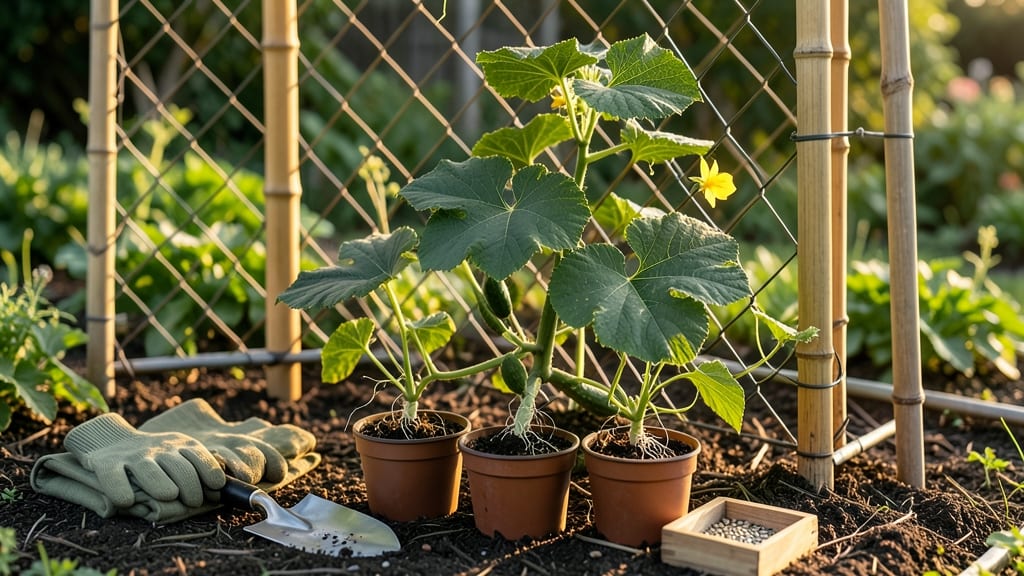
Timing your 🥒 cucumber planting in Mississippi can make or break your harvest—get it wrong, and you’ll end up with bitter fruit or wasted effort. The state’s long, humid summers and unpredictable spring weather mean you need a strategy that accounts for both heat tolerance and frost dates.
Most gardeners in USDA Zones 7b-9a know the ideal window is mid-March to early April after the last frost, but that’s just the start. For a fall harvest, you’ll want to plant again in late July, giving your vines enough time to mature before cooler temperatures arrive.
Choosing the right heat-tolerant varieties—like 'Southern Sweet 100' or 'Straight Eight'—is just as critical as timing. These varieties thrive in Mississippi’s climate, producing sweet, crisp cucumbers even when temperatures soar.
In this guide, I’ll break down the exact weeks before last frost to plant, soil prep tips, and how to adjust for your region—whether you’re in the Delta or Gulf Coast. Ready to grow a bountiful harvest? Let’s get started.
Mississippi cucumber planting schedule: exact weeks before last frost for peak harvests
Timing your cucumber planting in Mississippi is all about avoiding frost while maximizing the 210-day frost-free season. The state’s last average frost date falls around March 15, but soil temperatures must reach at least 60°F before planting.
For most regions, this means waiting until mid-April—just 8-10 weeks before summer heat fully settles in.
Mississippi’s climate varies from the hotter Delta region (Zone 8a) to the cooler northern hills (Zone 7b). In the Delta, you can plant 2 weeks earlier than in the north, thanks to warmer microclimates. Always check your local frost dates (via the Mississippi State Extension) for precision.
For spring planting, aim to sow seeds 1-2 weeks after your last frost date. This gives cucumbers enough time to mature before summer’s intense heat causes bolting.
In late July, you can also plant a fall crop for a September-October harvest before the first frost hits around November 15.
Direct sowing is the best method for cucumbers in Mississippi, as they hate transplant shock. Seeds germinate best in 70-90°F soil, so use black plastic mulch to warm the soil faster. If starting indoors, transplant 2-3 weeks before the last frost into biodegradable pots to minimize root disturbance.
Mississippi’s humidity and heat demand heat-tolerant varieties with disease resistance. Choose short-season varieties (50-60 days to harvest) for spring planting and longer-season types (60-70 days) for fall. Succession planting every 2 weeks ensures a continuous harvest.
Here’s your Mississippi cucumber planting timeline based on frost dates and regional adjustments:
| Planting Window | Action | Soil Temp | Notes |
|---|---|---|---|
| Mid-April | Direct sow seeds | 60°F+ | Delta: 2 weeks earlier |
| Late April - Early May | Succession plant every 2 weeks | 65°F+ | Extend harvest season |
| Late July | Direct sow for fall harvest | 70°F+ | Use heat-tolerant varieties |
| August - Early Sept | Harvest spring crop | N/A | Pick every 2-3 days |
| September - October | Harvest fall crop | N/A | Stop watering 1 week before frost |
Mississippi’s northern regions (e.g., Tupelo) may need to wait until early May due to cooler soils, while southern areas (e.g., Biloxi) can start as early as late March.
Always monitor soil temperatures with a soil thermometer—cucumbers won’t germinate below 60°F, even if air temps are warm.
For container gardening, plant cucumbers in 5-gallon pots after the last frost and place them in full sun. Use self-watering containers to maintain consistent moisture, as potted cucumbers dry out faster than in
Best heat-tolerant cucumber varieties for Mississippi’s climate and how to choose them
Mississippi’s sweltering summers and high humidity demand cucumber varieties that thrive in heat and resist common diseases like powdery mildew and downy mildew. The right variety can mean the difference between a bountiful harvest and struggling vines.
I’ve tested dozens of varieties, and these top performers consistently deliver sweet, crisp cucumbers in our climate.
For slicing cucumbers, look for varieties like 'Southern Sweet 100'—a parthenocarpic (self-pollinating) variety that produces 6-inch cucumbers with thin skins, perfect for fresh eating. This variety also handles heat better than standard slicing types, making it ideal for Mississippi’s summers.
Pickling cucumbers need a different approach. 'Straight Eight' is a classic choice, producing 3-4 inch cucumbers with thick skins that stay crisp when pickled. It’s also highly disease-resistant, which is crucial in our humid climate. Another great option is 'Boston Pickling', known for its uniform size and high yield.
| Variety | Type | Heat Tolerance | Disease Resistance | Yield Potential | Best For |
|---|---|---|---|---|---|
| Southern Sweet 100 | Slicing | Excellent | Powdery Mildew, Downy Mildew | High | Fresh eating, salads |
| Straight Eight | Pickling | Good | Powdery Mildew, Cucumber Mosaic | Very High | Pickling, fermenting |
| Lemon Cucumber | Snacking | Excellent | Powdery Mildew, Scab | Moderate | Gourmet dishes, snacks |
| Boston Pickling | Pickling | Good | Downy Mildew, Cucumber Mosaic | Very High | Pickling, uniform size |
| Arkansas Little Leaf | Slicing | Very Good | Powdery Mildew, Scab | High | Container growing, small spaces |
If you’re short on space, consider 'Arkansas Little Leaf', a bush-type cucumber that stays compact (under 2 feet tall) while still producing high yields. It’s perfect for container gardening or small plots, and its small leaves improve air circulation, reducing disease risk.
For something unique, try 'Lemon Cucumber', which produces bumpy, lemon-shaped fruits with a tangy flavor. This variety thrives in heat and is less prone to bitterness than other types. It’s ideal for gourmet dishes or snacking straight from the vine.
When selecting seeds, always look for disease-resistant labels and choose varieties bred for southern climates. Local nurseries or seed catalogs specializing in southeastern US plants are your best bet for finding the perfect match for Mississippi’s conditions.