
Plants
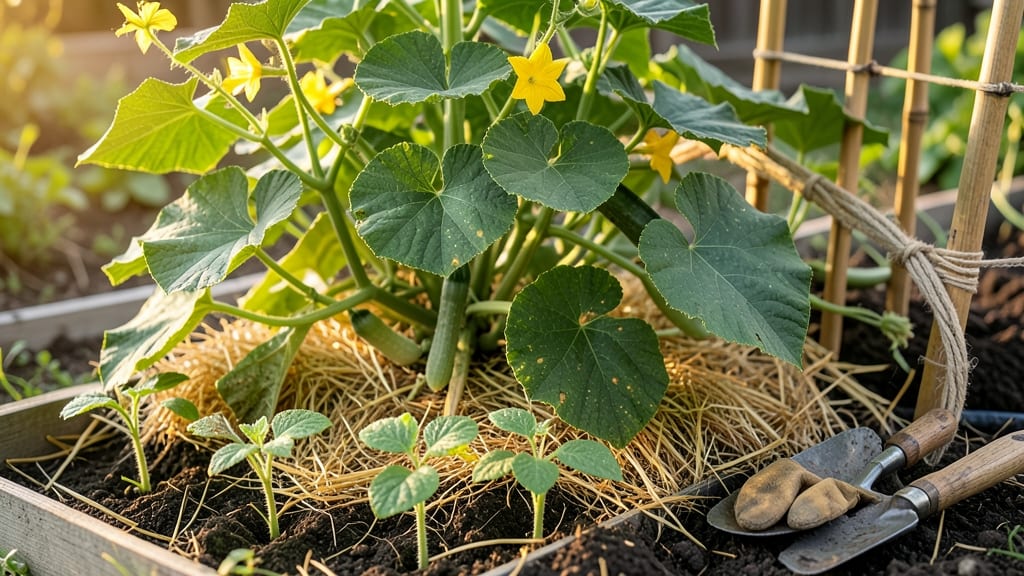
Timing your cucumber planting just right in South Louisiana could mean the difference between a bumper crop of crisp 🥒 and a garden full of bitter, bolted plants.
With our warm, humid climate and unpredictable spring weather, getting those seeds in the ground at the wrong time can trigger early flowering—leaving you with small, seedy fruits instead of the juicy slicers you crave.
Most gardeners here know the basics: wait until after the last frost, usually by mid-February, but that’s only part of the story. The real secret lies in soil temperature, humidity levels, and even which cucumber varieties play best in our 8a-9a zone.
I’ve learned from years of trial and error (and a few too many failed batches) that planting too early can send your cucumbers into a panic, while waiting too long risks heat stress before they even get started.
In this guide, I’ll break down the three critical triggers that cause cucumbers to bolt prematurely—and how to outsmart them with simple, climate-proof strategies. Whether you’re a first-time gardener or a seasoned grower looking to boost your yields, these insights will help you time your planting like a pro.
From choosing the right varieties to using mulch and shade cloth at the perfect moments, we’ll cover everything you need to know to enjoy fresh, homegrown cucumbers from May through July—or even stretch your harvest into the fall. Let’s get those vines growing the right way!
Optimal planting windows for cucumbers in South Louisiana’s climate zones
South Louisiana’s USDA zones 8a-9a create a unique challenge for cucumber growers—long, humid summers and unpredictable spring frosts demand precise timing. Unlike cooler climates, cucumbers here need to avoid both late frosts and early heat stress, which can trigger bolting.
The key is planting when soil temperatures consistently reach 60°F and daytime highs stay above 70°F.
Most gardeners in this region focus on two planting windows: early spring (February-March) for summer harvests and late summer (July-August) for fall production. However, the exact timing depends on your specific location within the state—New Orleans’ coastal microclimate differs from rural areas near Shreveport.
Let’s break down the optimal windows by zone and strategy.
📌 Visual Element: Summary Table
For spring planting, I recommend starting seeds indoors 4-6 weeks before your target outdoor date to give seedlings a head start.
However, Louisiana’s humidity makes seedling damping-off a real risk, so I often opt for direct sowing after soil warms—just be prepared to protect young plants with floating row covers if late frosts linger.
If you’re aiming for a fall harvest, late July to early August is ideal. This window gives cucumbers enough time to mature before the first frost (typically around December 1). Use heat-tolerant varieties and provide afternoon shade during September’s peak heat to prevent bolting.
One trick I’ve learned from local gardeners is to plant succession crops every 2 weeks from March through May. This staggered approach ensures a continuous harvest and reduces the risk of all plants bolting at once due to heat stress.
For example, plant your first batch in early March, then add more every 10-14 days until mid-May.
🌱 Pro Tip: Test your soil temperature with a soil thermometer before planting—cucumbers won’t germinate well below 60°F, even if air temperatures seem warm. I keep mine buried in the garden bed for a week to track trends.
Another critical factor is moisture management. South Louisiana’s spring rains can lead to waterlogged soil, which stunts root growth. Amend your beds with compost or sand to improve drainage, and always plant on mounds or ridges to prevent rot.
I’ve had the best success with raised beds filled with a 50/50 mix of garden soil and compost.
Finally, don’t overlook the companion planting benefits. In my garden, I pair cucumbers with radishes, beans, or marigolds—radishes deter pests, beans fix nitrogen, and marigolds repel nematodes. Avoid planting near potatoes or sage, as these can inhibit cucumber growth.
☀️ Remember: Even with perfect timing, cucumbers in South Louisiana need consistent care—especially during our 90°F+ heatwaves. Next, we’ll cover the 3 critical triggers that cause cucumbers to bolt prematurely and how to prevent them in our humid climate.
3 Critical triggers that cause cucumbers to bolt (and how to prevent them)
Cucumbers in South Louisiana face a sneaky enemy: bolting—when plants suddenly flower and fruit prematurely, ruining your harvest. Three key triggers cause this, and understanding them is your secret weapon for bigger, healthier cucumbers.
Heat stress, long daylight hours, and soil temperature swings all play a role, but you can outsmart them with the right tactics.
First, heat stress is the #1 culprit. When temperatures soar above 90°F, cucumber plants panic and bolt to produce flowers before setting fruit. Louisiana’s summers make this a real threat, especially for varieties not bred for our climate.
The solution? Shade cloth—use 30-50% shade during peak afternoon heat (12 PM–4 PM) to keep leaves cool without starving the plant of light.
Second, day length triggers bolting. Cucumbers are sensitive to long daylight hours (14+ hours in summer), which signal it’s time to reproduce. To delay bolting, plant heat-tolerant varieties like 'Southern Slicer' or 'Straight Eight,' which handle our extended sun better.
You can also prune lower leaves to reduce heat exposure to the main stem.
Third, soil temperature swings confuse cucumbers. They thrive when soil stays consistent between 60°F–75°F. In Louisiana, rapid temperature shifts—especially after a cold front—can shock plants into bolting. Black plastic mulch is your best friend here: it warms soil faster in spring and keeps it stable in summer.
Lay it down 2–3 weeks before planting for optimal results.
🚨 Warning: Avoid These 3 Bolting Mistakes
- Overwatering in heat → Leads to root stress and bolting. Water deeply but less frequently (1–2 inches per week).
- Planting too early → Cold soil (<60°F) stunts growth. Wait until soil reaches 65°F (use a soil thermometer!).
- Ignoring pests → Cucumber beetles and aphids weaken plants, making them bolt. Use row covers or neem oil preventatively.
For extra insurance, choose bolting-resistant varieties like 'Lemon Cucumber' or 'Diva,' which are bred to handle heat and humidity. If you’re planting in late summer for a fall harvest, opt for short-day varieties that bolt less under Louisiana’s long days.
And remember: harvest frequently—overripe cucumbers on the vine signal the plant to bolt faster.
By tackling these three triggers—heat, daylight, and soil temperature—you’ll keep your cucumbers vining like champions instead of bolting like wildflowers. Start with shade cloth, mulch, and the right varieties, and you’ll be feasting on crisp, homegrown cucumbers all season long. 🌱