
Companion Plants
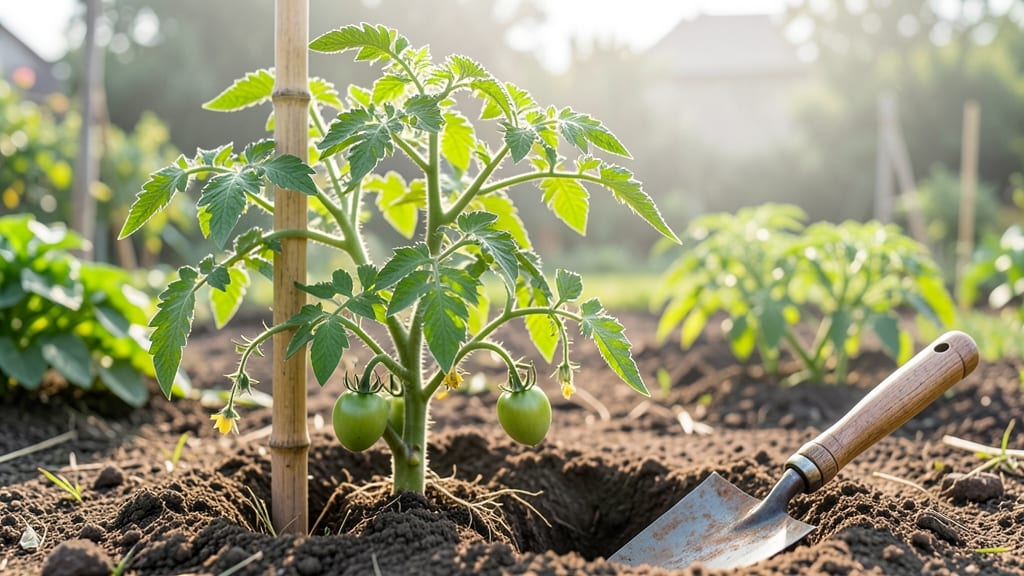
If you've ever watched your 🍅 tomato plants wilt under the Texas sun, you know when should I plant tomatoes in Texas is critical. Planting at the wrong time means bolting vines or stunted fruit—both heartbreaking for gardeners.
The key is understanding when soil warms up and how regional differences (like North vs. South Texas) change the game.
Most Texas gardeners think spring is the only window, but fall planting actually gives you cooler temps and longer harvests. I’ll break down the exact dates for your area—whether you’re in 8a-10b zones—and which heat-resistant varieties won’t turn to mush by July.
You’ll also learn how to stretch your season with succession planting and avoid common mistakes like overwatering during heatwaves. Ready to grow tomatoes that actually thrive? Let’s get started.
No more guessing games—just proven strategies to turn your Texas garden into a tomato powerhouse. The right timing could mean the difference between a handful of fruits and a bountiful harvest.
Texas tomato planting calendar: best months by region (North vs. south)
Texas gardeners know timing is everything when planting tomatoes. The Lone Star State spans multiple USDA zones (8a–10b), meaning North Texas (Dallas, Fort Worth) and South Texas (San Antonio, Houston) have wildly different frost dates and heat cycles.
In North Texas, where last frost typically hits around February 15, you can start seeds indoors as early as January for a spring harvest. But transplanting outside should wait until soil temperatures hit 60°F (15°C)—usually mid-March to early April.
For South Texas, where winters are milder (last frost often January 1), you can plant outdoors as early as late February. However, the real magic happens in fall, when temperatures cool down—this is when heat-sensitive varieties finally thrive.
Here’s the breakdown you need to avoid bolting (premature flowering) and maximize fruit set:
Pro tip: Use shade cloth (30–50%) if planting in late spring to protect seedlings from intense Texas sun. This buys you 2–3 extra weeks before direct sun becomes safe.
For fall harvests, aim to plant 60–70 days before your first frost. In North Texas, that’s late August; in South Texas, September works perfectly for a winter harvest.
Missed the spring window? Don’t panic! Succession planting lets you stagger tomato varieties every 2–3 weeks through summer for a continuous supply. Just choose heat-tolerant types like 'Solar Fire' or 'Arkansas Traveler'.
Remember, soil temperature matters more than air temperature. Use a soil thermometer—if it’s below 60°F (15°C), wait. Cold soil = stunted roots = poor yields.
Texas summers are brutal, but with the right timing, you can beat the heat and enjoy homegrown tomatoes from spring to fall.
Texas tomato planting calendar: best months by region (North vs. south)
Texas’s diverse climate means your planting timeline depends heavily on whether you’re in North Texas (Dallas, Fort Worth) or South Texas (San Antonio, Houston). The key is avoiding late frosts in spring and scorching summer heat that causes bolting.
For North Texas, aim for mid-February to early April for spring plantings, while South Texas gardeners can start as early as January in coastal areas.
But here’s the catch: fall planting often yields better results in Texas. In North Texas, late July to early August gives plants time to establish before summer heat peaks.
South Texas gardeners can push this to September for fall harvests. The goal? Soil temperatures above 60°F and nighttime temps above 50°F—critical for germination and root growth.
🌱 Did You Know? Texas’s USDA Zones 8a-10b mean some areas (like the Rio Grande Valley) can grow tomatoes year-round with proper care. However, even heat-loving varieties need shade cloth during peak summer afternoons to prevent sunscald.
| Region | Spring Planting Window | Fall Planting Window | Key Risk |
|---|---|---|---|
| North Texas (Dallas/Fort Worth) | Mid-February to early April | Late July to early August | Late frosts (Feb-Mar) or summer heat stress |
| Central Texas (Austin) | Late February to March | Early August to mid-September | April heat waves or September humidity |
| South Texas (San Antonio/Houston) | January to early February | September to October | January frosts or August humidity |
| Coastal Texas (Galveston) | December to January | September to November | Hurricane season (June-Nov) |
For container gardening, adjust these windows by 2-4 weeks earlier—pots warm up faster than soil. Use black plastic mulch to raise soil temps 5-10°F, which can shave critical days off your planting timeline.
In North Texas, this trick lets you plant 2 weeks earlier in spring without frost risk.
Pro tip: Monitor your local AgriLife Extension office for first frost dates—they update annually. For example, Dallas’s average last frost is March 15, but 2023 saw a late frost on April 5. Plan for 2 weeks after the average date to be safe.
Once you’ve nailed your planting window, the next step is choosing heat-resistant varieties—but that’s a topic for our next section. 🌿