
Plants
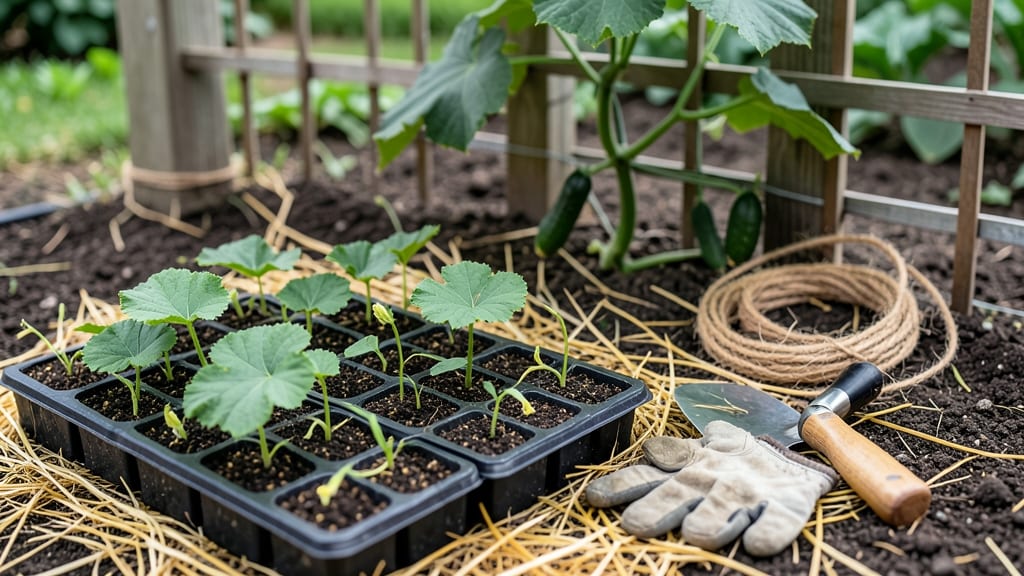
Knowing when to plant cucumbers in Zone 6 can mean the difference between a bumper crop of crisp, juicy 🥒 and a sad, wilted garden. The wrong timing risks frost damage or missed harvests, while perfect conditions unlock flavorful rewards all summer long.
In Zone 6 (6a-6b), your planting window opens after the last frost—typically between mid-April and early May—but soil temperature matters just as much. Cucumbers thrive when the ground warms to at least 60°F, ensuring strong roots and rapid growth.
This guide breaks down the exact timing for different varieties, from early-season slicers to late-blooming picklers. You’ll learn how to align your planting schedule with frost dates and extend your harvest through smart techniques.
Whether you're a first-time gardener or a seasoned grower, these insights will help you avoid common mistakes and maximize your cucumber yield. Let’s get those vines growing!

Zone 6 frost dates and ideal cucumber planting windows
Timing your cucumber planting in Zone 6 hinges on two critical factors: last frost dates and soil temperature thresholds. Cucumbers are warm-season crops that despise cold, so planting too early risks frost damage, while waiting too long may cut your harvest short.
In Zone 6, the average last frost date falls between mid-April and early May, but this varies yearly—always check your local USDA Plant Hardiness Zone Map for precision.
Cucumbers thrive when soil temperatures hit at least 60°F (15°C). A soil thermometer is your best friend here—cold soil stunts growth. In my garden, I’ve seen cucumbers planted in 50°F (10°C) soil struggle, while those in 65°F (18°C) soil sprout within 5–7 days.
Patience pays off: rushing can lead to poor germination or blossom-end rot later in the season.
Here’s the golden rule for Zone 6: Wait until two weeks after your last frost date and confirm soil warmth. For example, if frost passes on April 20th, aim for May 5th planting.
This buffer ensures your seedlings aren’t nipped by late frosts, which can happen even in Zone 6. I’ve lost entire cucumber beds to unexpected April showers turning icy—don’t let that be you!
Cucumbers also need 6–8 hours of sunlight daily, so choose a south-facing plot or the sunniest corner of your garden. Shade from trees or buildings can delay maturity by 10–14 days, shrinking your harvest window.
In my experience, container-grown cucumbers in full sun produce 30% more fruit than those in partial shade.
Now, let’s talk planting windows. Zone 6’s growing season spans roughly 165 frost-free days, but cucumbers need 55–70 days to mature. This means you’ve got a narrow 3–4 month window to plant, harvest, and replant for succession.
Miss it, and you’ll be left with store-bought cucumbers—not the homegrown gems you’re craving.
| Planting Window | Soil Temp | Last Frost Buffer | Ideal Varieties | Harvest Window |
|---|---|---|---|---|
| Early May (Standard) | 60–65°F (15–18°C) | 2 weeks post-frost | ‘Straight Eight’, ‘Marketmore’ | July–August |
| Late April (Risky) | 55–60°F (13–15°C) | 1 week post-frost (use row covers) | ‘Bush Champion’ (cold-tolerant) | June–July |
| Mid-June (Succession) | 65–70°F (18–21°C) | None (late-season) | ‘Sweet Success’, ‘Diva’ | August–September |
| Early July (Extreme) | 70°F+ (21°C+) | N/A (heat-tolerant) | ‘Armenian’, ‘Lemon’ | September (short harvest) |
For early-season planting (late April), opt for bush varieties like ‘Bush Champion’, which mature faster and handle cooler soils better.
These are my go-tos when I’m eager to beat the heat—though I always use black plastic mulch to warm the soil faster. Vining varieties like ‘Straight Eight’ need the full May–June window to thrive, so don’t rush them.
If you’re planting in early July for a late harvest, choose heat-tolerant varieties like ‘Armenian cucumbers’ or ‘Lemon cucumbers’. These handle Zone 6’s summer heatwaves better than standard types. Just be prepared for a shorter harvest window—frost typically arrives by mid-October, cutting the season short.
I’ve had success with these varieties in containers on patios, where I can move them indoors if temperatures drop unexpectedly.
Pro tip: Use a planting calendar to track your local frost dates and soil temps. Apps like Farmer’s Almanac or Old Farmer’s Almanac provide hyperlocal forecasts. I also set reminders for soil testing—cucumbers prefer pH 6.0–6.8.
If your soil is too acidic, amend it with lime 2–3 weeks before planting to avoid stunted growth.
Remember, cucumber seeds germinate best in warm soil. If you’re in doubt, use a seedling heat mat or plant in black plastic-lined beds to speed up warming. I’ve seen germination rates jump from 50% to 90% with these tricks
Best cucumber varieties for Zone 6 and their planting timelines
Choosing the right cucumber varieties for Zone 6 can mean the difference between a bountiful harvest and a disappointing one. Not all cucumbers thrive equally in this climate, so I focus on varieties that handle cool evenings and variable weather while still delivering sweet, crisp fruit.
Early-season types are my go-to for avoiding late frosts, while bush varieties save space in my garden.
For Zone 6 gardens, I prioritize disease-resistant varieties that mature quickly—typically in 50-60 days. These include 'Straight Eight' (a classic slicing cucumber) and 'Boston Pickling' (perfect for pickles). Both handle moderate heat and humidity better than many heirlooms, which is crucial in Zone 6’s summer heatwaves.
🌱 Varieties like 'Sweet Success' are bred for cold tolerance and can even handle light frosts if covered. Meanwhile, 'Spacemaster' is a bush-type cucumber that stays compact (3-4 feet tall), making it ideal for containers or small spaces.
I’ve found that parthenocarpic varieties (like 'Dasher II') are a game-changer—they produce fruit without pollination, so they’re reliable even in cooler, rainy summers.
| Variety | Type | Days to Maturity | Planting Window | Key Notes |
|---|---|---|---|---|
| Straight Eight | Slicing | 55-60 days | Mid-April to early May | Classic flavor, needs trellis |
| Boston Pickling | Pickling | 50-55 days | Late April to early June | Small, bumpy fruit; great for jars |
| Sweet Success | Slicing | 55-60 days | Early May to late May | Cold-tolerant, disease-resistant |
| Spacemaster | Bush | 55-60 days | Mid-April to early June | Compact, no trellis needed |
| Dasher II | Slicing (parthenocarpic) | 60-65 days | Early May to mid-June | No pollination needed; reliable |
When planning your planting timeline, I recommend starting with early varieties like 'Boston Pickling' in late April if your soil is warm enough (60°F+).
For main-season crops, I plant 'Straight Eight' and 'Sweet Success' in early May, giving them plenty of time to mature before fall frosts hit in October.
🌿 For late-season extensions, I save space for 'Marketmore 76' (a heat-tolerant slicing cucumber) in late June. This variety handles Zone 6’s late-summer heat better than most and can produce into early September if given consistent water and mulch.
I also use row covers to protect young plants from unexpected cool snaps in June.
Pro tip: If you’re short on space, bush varieties like 'Spacemaster' are my secret weapon—they produce just as much as vining types but stay under 4 feet tall. Pair them with dwarf tomatoes or peppers to maximize your garden’s square footage.
Always check seed packets for days to maturity and count backward from your average first frost date (mid-October in Zone 6) to avoid disappointment.