
Plants
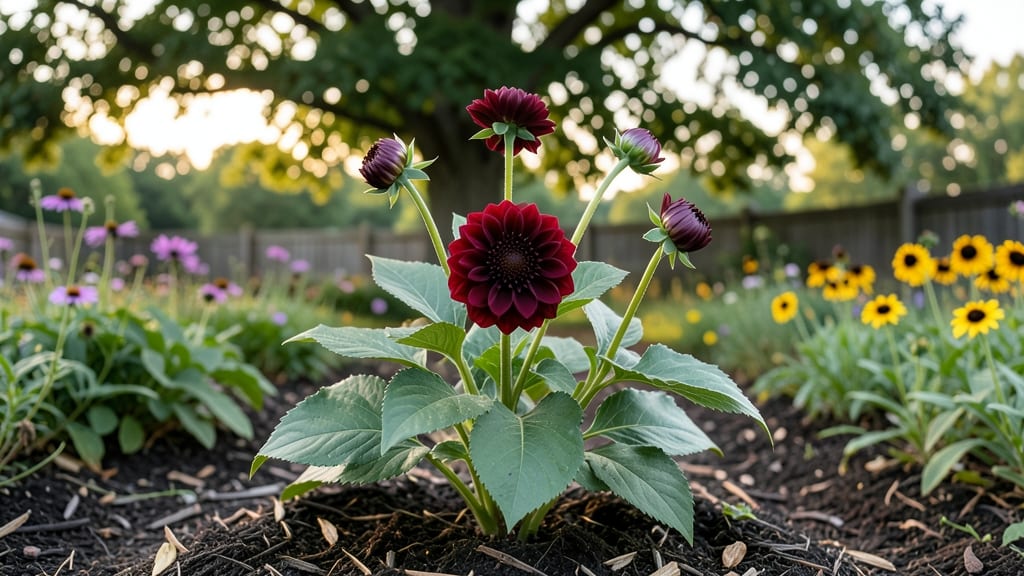
When to plant dahlia bulbs in Wisconsin could mean the difference between a stunning 🌸 summer garden and a sad, frost-killed disappointment. The 4a-5b zone means you’ve got just a narrow window—typically mid-April to mid-May—to get those tubers in the ground after the last frost.
But here’s the catch: Wisconsin’s weather is famously unpredictable, and planting too early can leave your dahlias vulnerable to late frosts. Too late, and you might miss the ideal 60°F soil temperature needed for strong root growth.
I’ll show you exactly how to nail the timing, plus pro tips to extend your blooming season.
Whether you’re a first-time gardener or a seasoned pro, this guide will help you avoid common mistakes like planting too shallow or ignoring soil warmth. You’ll learn how to prep your soil, choose the right varieties for your zone, and even protect your dahlias if an unexpected frost sneaks in.
Let’s get your garden ready for bold, long-lasting blooms—without the guesswork. Your summer color palette starts with the right planting date, and I’ve got the foolproof plan for Wisconsin gardeners.
Wisconsin’s frost-date cheat sheet: best planting windows for dahlia bulbs
Wisconsin’s USDA zones 4a-5b bring a unique challenge for dahlia lovers: late spring frosts that can kill tender tubers if planted too early. The key is waiting for soil temperatures to stabilize at 55°F+—a critical threshold for dahlia survival.
In most of Wisconsin, this typically aligns with mid-April to mid-May, but your exact timing depends on your region’s microclimate.
Southern Wisconsin (like Madison) usually sees its last frost around April 25-May 5, giving gardeners a slightly earlier window. Meanwhile, Northern Wisconsin (Duluth) can linger until May 15-25, requiring patience.
Central Wisconsin (e.g., Wausau) falls somewhere in between, with May 1-10 being the safest bet for most gardeners.
Here’s the critical rule: Never plant dahlia tubers until the ground thaws completely and stays above 55°F for 5+ days. Cold soil slows root growth, leaving your plants vulnerable to frost heave—a common issue in Wisconsin’s freeze-thaw cycles. Test your soil with a soil thermometer to avoid guesswork.
🌱
For dwarf dahlias (1–2 ft tall), you can push the envelope slightly earlier—even 2 weeks before the average last frost—since they’re hardier. But tall varieties (4–8 ft) need that full growing season, so wait until after May 15 in most areas to avoid stunted growth.
Pro tip: Mark your calendar for Mother’s Day weekend (mid-May), a reliable benchmark for Southern Wisconsin.
Wisconsin’s first fall frost typically hits October 10–20, but late-blooming varieties (like ‘Café au Lait’ or ‘Arabian Night’) can reward you with color until mid-October if planted early. To maximize your season, choose short-day dahlias, which bloom prolifically in Wisconsin’s 14–16 hour daylight summers.
If you’re in a microclimate (e.g., a south-facing slope or urban heat island), soil warms 1–2 weeks earlier than average. Use a soil thermometer to confirm readiness—60°F is ideal for most dahlia tubers.
In colder microclimates (like low-lying areas), delay planting until after Memorial Day to avoid frost damage.
🌿
Once you’ve nailed the planting window, focus on soil prep: dahlias thrive in well-draining, compost-rich soil with a pH of 6.5–7.0. Mix in aged manure or compost 2–3 weeks before planting to give roots a nutrient boost.
Avoid fresh manure, which can burn tender tubers. In Wisconsin’s clay-heavy soils, amend with sand or perlite to improve drainage.
After planting, mulch heavily (3–4 inches) with straw or shredded leaves to insulate roots and retain moisture. This is especially critical in Northern Wisconsin, where late frosts can linger into June.
Water deeply once a week (more in drought) to encourage strong root systems before the summer heat sets in.
How to extend your dahlia season: pre-chitting, cold frames, and frost-proofing tips
Wisconsin’s short growing season can feel like a race against time for dahlias—especially when you’re dreaming of bold blooms from July to October. The good news? With a few smart strategies, you can push your planting window earlier or protect late plantings from surprise frosts.
Let’s dive into the proven methods that work for Wisconsin gardeners, from indoor pre-chitting to cold frame hacks.
First, let’s tackle pre-chitting, a technique that jumpstarts your dahlias 4-6 weeks earlier than traditional outdoor planting. By encouraging tuber growth indoors before the last frost, you’ll give your plants a head start and a better chance to survive Wisconsin’s late spring chills.
This method is especially useful if you’re eager to plant early-flowering varieties like ‘Café au Lait’ or ‘Karma Choc’.
Place dahlia tubers in a container with moist potting mix, eyes (growth points) facing up. Keep in a cool, dark spot (60-65°F) until sprouts appear.
Once sprouts are 2-3 inches tall, shift containers to a bright, sunny window or under grow lights for 12-14 hours daily.
Acclimate plants to outdoor conditions by placing them outside for 2-3 hours daily, gradually increasing time.
Transplant when night temps stay above 50°F and soil is warm enough to support root growth.
If you’re short on indoor space or prefer to plant directly outdoors, cold frames and row covers can buy you 2-4 extra weeks of growing time. These low-tech solutions create a mini greenhouse effect, trapping heat and shielding young plants from late spring frosts.
For example, a simple hoop house covered with clear plastic can raise soil temperatures by 5-10°F, making it safe to plant 2 weeks earlier than the average last frost date.
For gardeners in Northern Wisconsin (Zones 3-4), where frosts linger longer, consider using black plastic mulch or straw mulch to warm the soil faster. Spread a 2-3 inch layer over planting beds in early April to absorb sunlight and raise soil temperatures.
Pair this with a floating row cover for added frost protection until plants are 12 inches tall. This combo can extend your planting window by 3-4 weeks.
Don’t overlook emergency frost protection for late plantings. If a late May frost is forecasted after you’ve planted, cover dahlias with frost blankets or old bedsheets secured with bricks or stakes.
Remove covers as soon as the sun comes out to prevent overheating. For tender varieties, a cloche or mini greenhouse can shield them until they’re fully hardened off.
Pro tip: Keep a garden journal to track your local frost dates and the success of your extension strategies. Over time, you’ll refine your approach—maybe you’ll discover that pre-chitting works best for you or that cold frames save your late plantings every year.
The key is to experiment and adapt to Wisconsin’s ever-changing climate.
With these season-extending tricks, you’ll turn Wisconsin’s short growing season into a long, colorful celebration of dahlias. Just remember: patience and preparation are your best tools against frost! 🌸