
Plants
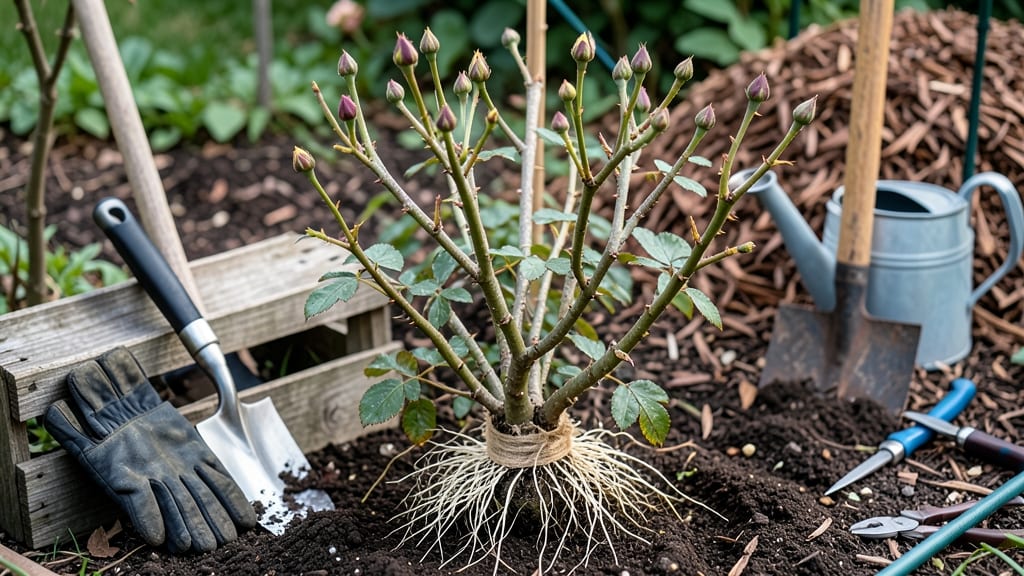
Planting bare root roses in Zone 9 at the wrong time can mean the difference between a thriving garden and wasted effort. The key to success lies in understanding your local climate—where heat and drought are constant threats.
If you've ever watched your roses struggle in the summer sun, you know timing matters more than you think.
For Zone 9 gardeners, late fall to early spring is your best window to plant these beautiful 🌹 shrubs. This period gives roots time to establish before the heat kicks in, setting your roses up for stronger growth.
I'll show you exactly how to take advantage of this critical season and avoid common mistakes that lead to weak plants.
Whether you're in Southern California, Arizona, or Florida, the same principles apply—cool soil, consistent moisture, and smart preparation. Let’s dive into the best practices so you can plant with confidence and watch your roses flourish.
You’ll learn the exact months to plant, how to prep your soil, and what to watch for after planting. By the end, you’ll know exactly what it takes to give your bare root roses the best possible start in Zone 9’s challenging climate.

Best late fall planting window for Zone 9 bare root roses
Zone 9 gardeners have a narrow but critical window for planting bare root roses—typically between late November and early February. This timing aligns perfectly with the cooler months when soil stays moist and temperatures stay mild, giving roots time to establish before summer heat arrives.
Missing this window can lead to heat stress or poor root development.
In Southern California, aim for November to December when daytime temps hover around 60-70°F. For Arizona, stretch planting into early January to avoid sudden desert warmth. Florida's Zone 9 gardeners can plant as late as February, but only if frost isn't forecasted.
The key is soil temperature—ideal planting occurs when soil is below 65°F but not frozen. Use a soil thermometer to check before digging. If temps rise above 70°F, roots may dry out before establishing, leading to plant failure.
Bare root roses need 6-8 weeks of cool weather to develop strong roots before summer heat arrives. Planting too early (October) risks frost damage in colder microclimates, while planting too late (March) exposes them to heat stress and drought.
For container-grown roses, the window extends slightly into early spring (March), but bare root roses must be planted while dormant. Never plant when soil is dry or temperatures exceed 75°F—this guarantees root desiccation and plant death.
Pro tip: Check local frost dates—even Zone 9 can experience light frosts in microclimates. Plant after the last frost warning to avoid cold damage to tender new growth. Most nurseries ship bare root roses in dormancy, so align your planting with their arrival schedule.
If you miss the fall window, wait until late winter (February) but be prepared to provide extra shade and consistent watering to protect newly planted roses from spring heat. The trade-off is slower establishment, but it’s better than planting during summer drought.
Remember: Zone 9's long growing season is a double-edged sword. While you avoid frost, you must outpace summer heat. Planting in late fall gives roots a 6-month head start before the real challenge—surviving 90°F+ days—begins.
🌹
Best late fall planting window for Zone 9 bare root roses
In Zone 9, the ideal time to plant bare root roses is during late fall, specifically between mid-November and mid-December. This timing allows roots to establish before the spring heatwave arrives, ensuring your roses thrive instead of struggling through summer drought.
Why late fall? Cooler soil temperatures (below 70°F) reduce stress on roots, while consistent moisture from winter rains supports early growth. Planting too early (October) risks heat stress, while waiting until January may expose roots to late-winter heat spikes.
Soil temperature is the key indicator—aim for 50-65°F at planting depth. Use a soil thermometer to check; if temps rise above 70°F, delay planting until conditions cool again.
| Planting Window | Soil Temp | Key Consideration |
|---|---|---|
| Mid-November | 50-60°F | Soil is moist from rains; minimal heat stress |
| December | 55-65°F | Balanced root growth; avoid frost (rare in Zone 9) |
| Early January | 60-68°F | Risk of late-winter heat; prioritize shade |
For Southern California and Arizona, aim for November 15–December 15, as these regions warm up faster. In Florida, extend the window to December 1–January 15 due to milder winters. Always check local frost forecasts, even in Zone 9—unexpected cold snaps can damage tender roots.
If you miss the fall window, early spring (February) is the next best option, but roses planted then may need extra shade to prevent transplant shock during Zone 9’s intense spring sun. Mulch heavily with 3-4 inches of organic mulch to retain moisture and regulate soil temps.
Pro tip: Soak bare root roses in lukewarm water for 1-2 hours before planting to rehydrate roots. This simple step boosts survival rates by up to 30% in dry Zone 9 climates. 🌹