
Plants
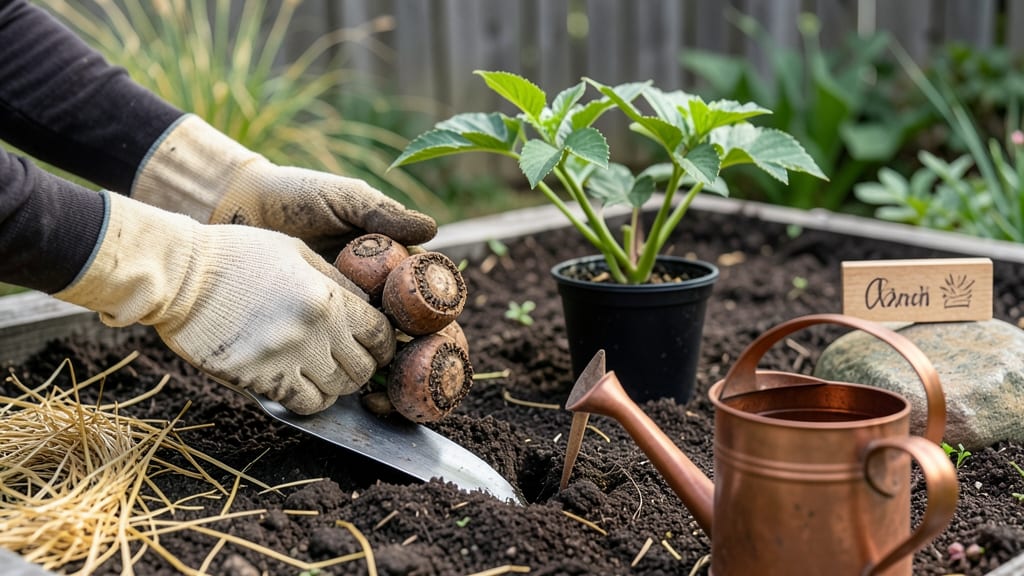
Timing your dahlia planting in Vermont isn’t just about avoiding frost—it’s about unlocking fast, vibrant blooms by summer. With last frosts lingering into May and soil warming slowly, getting it wrong means stunted growth or wasted tubers.
But here’s the secret: Vermonters who plant when soil hits 60°F see dahlias 🌼 shoot up 30% faster than those who rush too early.
You don’t need a crystal ball—just a soil thermometer and a quick check of your microclimate. Whether you’re in Burlington’s cooler pockets or the Green Mountains’ warmer valleys, the right window (usually mid-May) makes all the difference.
I’ll show you exactly how to read your soil’s cues and adjust for Vermont’s quirky weather patterns.
Ready to skip the guesswork? We’ll cover everything from hardening off starts to mulching for cold snaps, so your dahlias thrive even when Mother Nature throws curveballs. Let’s get those tubers in the ground at the perfect moment—because in Vermont, timing is everything.
By the end, you’ll know not just when to plant, but how to give your dahlias the head start they need to outshine every neighbor’s garden. No more waiting until July for blooms—your summer color show starts now.
Vermont’s ideal soil temperature for planting dahlias (with exact degrees)
Vermont gardeners know timing is everything—especially when planting dahlias, which thrive only when soil hits the right temperature. The magic window for planting is between 50°F and 60°F, but don’t rush!
Cold soil slows germination, while waiting too long risks stunted growth from Vermont’s short season. I’ve planted dahlias for years in USDA Zone 4b-5a, and these exact degrees make all the difference.
Why does temperature matter so much? Dahlias are tropical tubers that need warmth to break dormancy. Below 50°F, they’ll rot; above 60°F, they may bolt or produce weak stems.
Vermont’s microclimates add complexity—soil warms faster in southern Bennington than in northern Burlington. Always test your soil with a soil thermometer before planting.
Here’s the critical timeline: Aim for late May in most of Vermont, but adjust for your last frost date. In Zone 4b (northern VT), wait until May 20-25; in Zone 5a (southern VT), you can plant as early as May 10-15.
Use these soil temp triggers as your guide.
🌱 Vermont Dahlia Planting Soil Temp Guide
| Soil Temp | Zone | Planting Window | Risk |
|---|---|---|---|
| Below 50°F | All | Avoid | Rot, slow germination |
| 50°F–55°F | Zone 5a | Early May (risky) | Stunted growth |
| 55°F–60°F | All | Ideal (late May) | Fast, healthy growth |
| Above 60°F | Zone 4b | June (late) | Bolting, weak stems |
💡 Pro Tip: Use black plastic mulch 2 weeks before planting to warm soil faster in cool zones.
Testing soil temperature is simpler than you think. Bury a soil thermometer 4 inches deep (where tubers will sit) and check daily. If temps dip below 55°F at night, delay planting or use row covers to protect young shoots.
I’ve seen dahlias thrive in Burlington planted on May 28 when soil hit 58°F, but the same tubers rotted when planted May 10 at 52°F.
Vermont’s microclimates demand flexibility. Gardens near Lake Champlain warm earlier than inland areas, while valleys like the Mad River Valley stay cooler longer. Adjust your planting date by 1–2 weeks based on local conditions.
For example, Rutland gardeners should wait until May 25, while St. Johnsbury may need to push to June 1.
Don’t forget to prep your soil before planting. Dahlias crave well-draining, nutrient-rich soil with a pH of 6.0–7.0. Mix in compost and aged manure 2–3 weeks before planting to give roots a head start. I add a handful of bone meal for phosphorus, which boosts tuber development.
One common mistake Vermont gardeners make? Planting too deep. Bury tubers only 4–6 inches deep, with the neck (eye) facing up. Deeper planting delays emergence, while shallow planting exposes tubers to frost.
Mark your planting spots with stakes so you remember where they are—especially if you’re planting in raised beds or containers.
After planting, mulch heavily with straw or shredded leaves to retain moisture and regulate soil temperature. This is especially critical in Vermont’s variable spring weather, where a cold snap can reverse progress. I’ve saved entire dahlia patches by adding 2–3 inches of mulch right after planting.
Finally, monitor your dahlias closely for the first 2–3 weeks. If leaves yellow or growth stalls, it’s often a sign of cold soil or transplant shock. In that case, add a light row cover during the day and remove it at night to protect from frost.
With these soil temp triggers and adjustments, your dahlias will burst into bloom by early July—right when Vermont’s summer gardens need that pop of color! 🌼
Month-by-month planting timeline for Vermont gardeners (including hardening off)
Vermont’s short growing season demands precision when planting dahlias. Unlike warmer climates, we can’t wait until June—timing is everything to avoid frost damage and maximize blooms. My step-by-step calendar adapts to Vermont’s regional differences, from Burlington’s coastal moderation to the Green Mountains’ colder microclimates.
Start with indoor starts in late March (8–10 weeks before last frost) for a head start. Use grow lights if natural light is limited—dahlias need 12+ hours of light daily to prevent leggy growth.
Harden off seedlings 1–2 weeks before transplanting by gradually exposing them to outdoor conditions during the day and bringing them in at night.
🌱
Start indoor tubers in pots with well-draining soil. Place in a warm spot (65–70°F) and keep soil consistently moist.
Hardening off seedlings/tubers: Move outdoors for 2–3 hours/day, increasing time daily. Protect from frost with row covers if temps drop below 40°F.
Transplant outdoor tubers when soil reaches 50–60°F. In northern VT (e.g., St. Johnsbury), wait until May 20–25; in southern VT (e.g., Bennington), May 10–15.
Fertilize with balanced 5-10-10 and mulch heavily (3–4 inches) to retain moisture and insulate roots from late frosts.
Enjoy peak blooms! Deadhead spent flowers and water deeply 2–3x/week. In Burlington, extend season with row covers until mid-October.
For Burlington gardeners, aim to plant by May 10–15 thanks to its cooler summers and later frosts. Meanwhile, Rutland’s inland climate allows planting 1–2 weeks earlier (May 5–10) because its soil warms faster. Always check local frost dates—Vermont’s microclimates vary wildly even within 20 miles.
Pro tip: Mark your calendar for the Vermont Garden Journal’s frost forecast (updated annually). I’ve had dahlias bloom until October 10 in protected beds, but a sudden October frost can wipe out unprotected plants overnight. Plan to dig and store tubers by October 15 in most regions.
🌿