
Trees
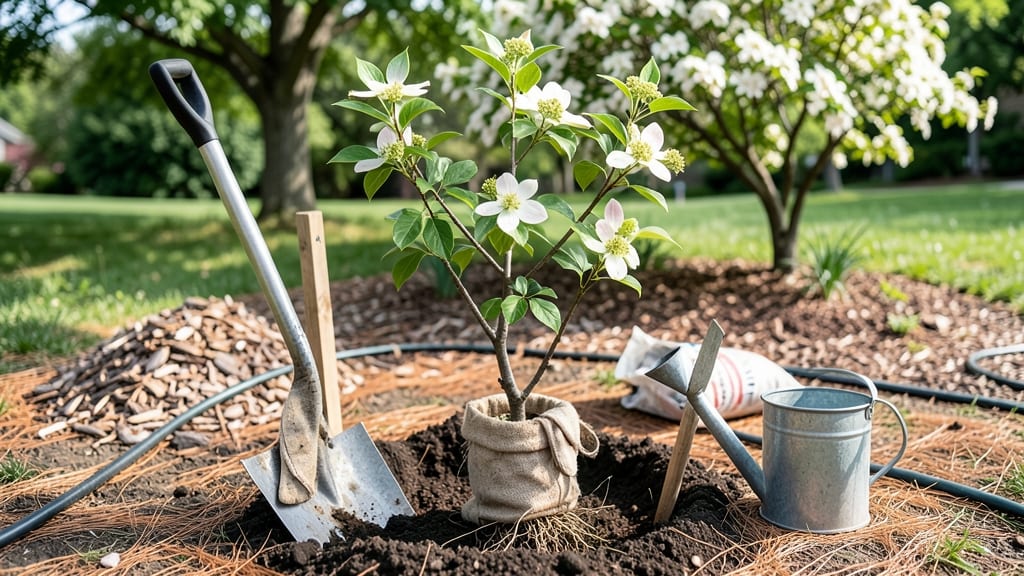
Timing your dogwood tree planting in North Carolina could mean the difference between a thriving shade tree and one that struggles to take root. The key isn't just picking a season—it's understanding how your local chill hours and frost patterns play into the process.
With USDA zones ranging from 6b to 8a, North Carolina's climate varies dramatically, and getting it wrong can leave your 🌳 dogwood tree vulnerable to transplant shock.
Fall and early spring are the two best windows, but there's more to it than just picking October or March. Coastal regions have milder winters, while the Piedmont faces earlier freezes—meaning your exact planting deadline depends on where you live.
I'll break down the critical frost-free deadlines and how to adjust your schedule based on your specific microclimate.
Whether you're planting bare-root saplings or container-grown trees, the right timing ensures your dogwood establishes strong roots before summer heat or winter cold sets in.
Let's dive into the exact months and conditions that work best for your North Carolina yard—so you can enjoy that stunning spring bloom year after year.
From calculating chill hours to avoiding late frosts, you'll learn how to give your dogwood the perfect start. Trust me, getting this right makes all the difference in how quickly—and how well—your tree grows. Let's get started.
North Carolina’s dogwood planting timeline by chill hour zones
North Carolina’s diverse climate—spanning from the Coastal Plain to the Mountains—creates distinct chill hour requirements for dogwood trees. Most Cornus florida varieties need 500–700 chill hours, while Cornus kousa thrives with 300–500 chill hours. Planting outside these ranges can stunt flowering or weaken the tree’s resilience.
To determine your zone, check the USDA Hardiness Zone Map—NC ranges from Zone 7a (Coastal) to Zone 8a (Mountains). For example, Raleigh (Zone 7b) averages 600 chill hours, while Asheville (Zone 7a) sees 800+ chill hours.
Matching your dogwood’s chill needs to your zone ensures vibrant blooms and robust growth.
Fall planting (October–November) is ideal because cooler temps reduce transplant shock, and roots establish before winter dormancy. Early spring (March–April) is the backup window—just plant before buds swell to avoid frost damage. Avoid summer planting; extreme heat stresses young roots.
Here’s how to calculate your chill hours: Use a chill hour calculator or track temps below 45°F (7°C) over winter. For instance, a Zone 7b garden might accumulate 550 chill hours, perfect for Cornus florida but insufficient for Cornus kousa in colder mountain zones.
| Zone | Chill Hours | Best Dogwood Varieties | Optimal Planting Window |
|---|---|---|---|
| 7a (Coastal Plain) | 300–500 | Cornus kousa, 'Cherokee Brave' | Oct 15–Nov 15 |
| 7b (Piedmont) | 500–700 | Cornus florida, 'Rubra' | Oct 1–Nov 10 |
| 8a (Mountains) | 700–900 | Cornus florida 'Cloud 9' | Mar 15–Apr 15 |
For bare-root dogwoods, plant as soon as roots arrive (fall) or store in a cool, moist environment until spring. Container-grown trees can be planted year-round but thrive best in fall. Always inspect roots—circling roots need pruning before planting to prevent girdling.
Soil temperature matters too: Roots struggle to establish below 50°F (10°C). Use a soil thermometer to confirm your planting site is warm enough. In Zone 7a, wait until soil temps hit 55°F (13°C) in spring or 60°F (16°C) in fall.
Microclimates complicate timing. A south-facing slope warms faster than a north-facing yard, so adjust planting dates accordingly. For example, Asheville’s high elevation means dogwoods planted in late April might face late frosts, while Wilmington’s milder winters allow November planting with minimal risk.
Pro tip: Mulch heavily (3–4 inches) after planting to insulate roots. Use pine straw or shredded bark—avoid fresh wood chips, which can rob nitrogen. Water deeply once a week for the first year, ensuring soil stays moist but not soggy.
Timing isn’t just about the calendar—it’s about chill hours, soil temps, and microclimates. By aligning your dogwood’s needs with NC’s zones, you’ll set the stage for decades of stunning spring blooms and lush foliage. 🌳
Frost-free deadlines & critical planting windows for NC regions
North Carolina’s diverse climate means your dogwood tree’s planting window depends heavily on where you live. Coastal areas like Wilmington enjoy milder winters, while the Mountains near Asheville face earlier freezes.
Understanding these frost-free deadlines ensures your tree gets off to the right start—whether you’re planting in fall or spring.
For Coastal NC (Zones 8a-8b), the last frost typically occurs around March 1, giving you a longer spring window. Meanwhile, the Piedmont (Zones 7a-7b) usually sees its last frost by March 15, and the Mountains (Zone 6b) can linger until April 1.
These dates are your critical benchmarks for spring planting.
Fall planting is equally time-sensitive. In Coastal NC, aim to plant by November 15 to avoid winter stress, while Piedmont gardeners should finish by November 1. Mountain regions have an even tighter window—plant by October 31 to prevent frost damage before roots establish.
| Region | USDA Zone | Last Frost | First Frost | Ideal Spring Planting | Ideal Fall Planting |
|---|---|---|---|---|---|
| Coastal NC | 8a-8b | March 1 | November 15 | March 1–April 15 | October 1–November 15 |
| Piedmont NC | 7a-7b | March 15 | November 1 | March 15–April 30 | September 15–November 1 |
| Mountain NC | 6b | April 1 | October 15 | April 1–May 15 | September 1–October 31 |
Soil temperature also plays a role—dogwood roots prefer 50–60°F soil to thrive. Use a soil thermometer to check before planting; if temperatures dip below 40°F, wait until conditions warm up. This is especially critical in the Mountains, where cooler soils can delay root establishment.
Pro tip: If you’re planting in late spring (May or June), prioritize container-grown trees over bare-root varieties. Their established root systems handle heat stress better, giving them a fighting chance against summer drought. For fall plantings, focus on bare-root trees—they’re cheaper and establish just as well with proper care.
Don’t let NC’s variable climate stress you out—just follow these regional deadlines, and your dogwood will thank you with vibrant blooms for decades. The key is acting before the first frost or after the last one, and you’ll be golden. 🌳