
Trees
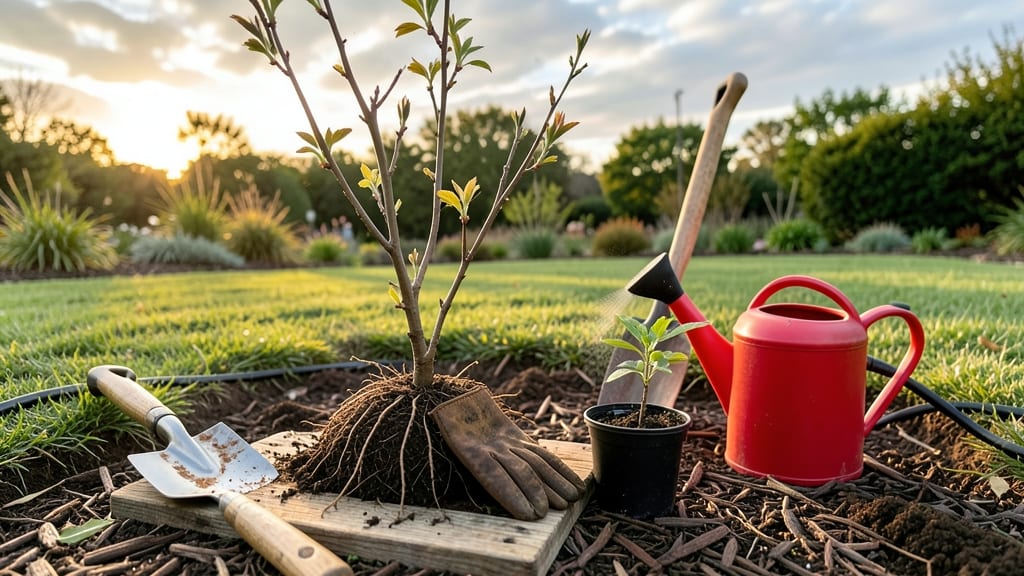
Timing your dogwood tree 🌳 planting in Texas isn’t just about picking a month—it’s about outsmarting the state’s brutal summers and unpredictable freezes to give your tree the best shot at thriving.
Plant too early, and you risk heat stress; too late, and winter frosts can stunt growth before roots even settle in.
Texas’ 8a-10b zones mean your dogwood’s success hinges on whether you’re in North, Central, or South Texas—each with its own frost timeline. The best window is fall (October–December) or early spring (February–March), but even then, soil prep and microclimate matter more than you’d think.
Whether you’re planting a native Texas dogwood or a cold-hardy variety like Cornus florida, I’ll break down exactly when to dig, how to prep soil for Texas heat, and why some regions need extra protection. Let’s get those roots established the right way.
Skip the guesswork and learn how to match your dogwood’s needs to Texas’ quirks—so you’re not left with a sad, struggling sapling by next summer. Ready to plant with confidence?
Best planting months for dogwood trees in Texas by variety
Texas’ diverse climate—from North Texas’ chilly winters to South Texas’ scorching summers—means dogwood planting timing isn’t one-size-fits-all. For Eastern Dogwoods (Cornus florida), native to Texas’ cooler regions, fall planting (October–December) gives roots time to establish before winter dormancy.
Meanwhile, Texas Dogwoods (Cornus drummondii), adapted to Central and South Texas, thrive when planted in early spring (February–March) to avoid summer heat stress.
Your USDA Hardiness Zone matters too. In Zone 8a (North Texas), aim for October–November to beat the first frost (usually November 15). In Zone 9b–10b (South Texas)January–February—just before the last frost (February 15)—to let roots settle before the heat peaks.
Here’s the golden rule: Never plant dogwoods in Texas summers. The 100°F+ heat causes transplant shock, even for drought-tolerant varieties. If you miss fall/early spring, wait until September for a second chance—but expect slower root growth.
Pro Tip: Check your local last frost date (e.g., March 15 in Central Texas) and plant 6–8 weeks before to give roots time to anchor. Use this as your planting deadline.
| Variety | Best Planting Months | Texas Region | Key Consideration |
|---|---|---|---|
| Eastern Dogwood (Cornus florida) | October–December | North/Central Texas (Zones 8a–9a) | Avoid winter drought stress |
| Texas Dogwood (Cornus drummondii) | February–March | Central/South Texas (Zones 8b–10b) | Beat summer heat; establish before blooming |
| 'Arnold Promise' (Cold-Hardy Hybrid) | October–November OR February | All Texas Regions | Flexible timing; tolerates wider temps |
| Pacific Dogwood (Cornus nuttallii) | September–October | East Texas (Zone 8a) | Moisture-loving; plant before dry spells |
For container-grown dogwoods, you’ve got a 2-week window beyond these months—just keep them shaded and watered during extreme heat. Bare-root trees, however, must be planted within 1–2 weeks of purchase to avoid root desiccation.
If you’re in urban Texas (e.g., Austin or Dallas), heat islands can delay planting by 1–2 weeks. Monitor your microclimate: Trees near pavement or buildings may need earlier fall planting to escape heat stress.
Remember: Dogwoods hate soggy soil. In South Texas (Zones 9b–10b), where hurricane season brings heavy rains, plant on dry days and amend soil with sand or perlite for drainage. North Texas gardeners should focus on well-draining loam to prevent winter waterlogging.
Finally, avoid planting near mature oaks. Dogwoods are susceptible to oak wilt fungus, a deadly disease spread by sap-feeding beetles. Keep them at least 50 feet away from oak trees to protect your investment.
Best planting months for dogwood trees in Texas by variety
Texas’ diverse climate zones mean dogwood planting isn’t one-size-fits-all. In North Texas (USDA Zones 7b-8a), like Dallas or Fort Worth, aim for October through December to avoid winter freezes. Meanwhile, Central Texas (Zones 8a-8b), such as Austin, can plant until mid-December before cold snaps hit.
South Texas (Zones 9a-10b), like San Antonio or Houston, extends the window to January—but only for heat-tolerant varieties like Texas Dogwood (Cornus drummondii).
Spring planting in February or March works across Texas, but avoid April—dogwoods hate Texas’ 100°F+ heat. Early spring gives roots time to establish before summer’s brutal drought. For Eastern Dogwood (Cornus florida), stick to fall planting—it’s less drought-tolerant and needs winter dormancy to thrive.
| Variety | Best Planting Window | Texas Region | Key Consideration |
|---|---|---|---|
| Texas Dogwood | October–January | North/Central/South | Drought-tolerant; plant before summer heat |
| Eastern Dogwood | October–December | North/Central | Needs winter dormancy; avoid spring planting |
| 'Arnold Promise' | November–February | North/Central | Cold-hardy; plant before blooming season |
| Pacific Dogwood | October–December | South Texas | Heat-sensitive; plant in cooler months |
For container-grown dogwoods, you have slightly more flexibility—plant anytime soil temps stay below 80°F. But bare-root trees must go in the ground before buds swell, usually by late February in most of Texas.
Pro tip: Amend clay-heavy soils (common in East Texas) with compost or sand to prevent root rot.
Timing matters just as much as tree maturity. A 3-year-old dogwood handles transplanting better than a 1-year-old sapling. In South Texas, prioritize fall planting—summer’s heat can kill young roots in just 48 hours.
Always check local frost dates (e.g., November 15 in North Texas vs. January 1 in South Texas) to avoid late-season cold snaps.
If you miss the ideal window, wait until next fall. Dogwoods planted in summer suffer from heat stress, leading to leaf scorch and poor root growth. For urban landscapes, consider container planting in partial shade to extend the growing season by 2-3 weeks.
Remember: Texas Dogwood varieties outperform Eastern Dogwood in heat zones 9-10. If you’re in Houston or Corpus Christi, choose native species—they’ve evolved to handle humidity and drought. Always water deeply after planting to encourage root spread before summer arrives. 🌳