
Plants
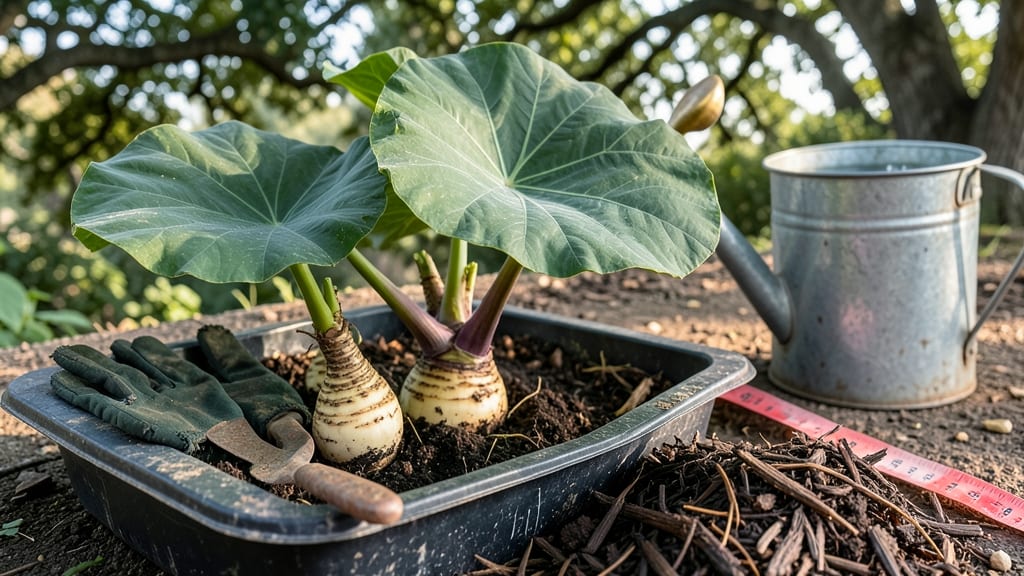
If you love the bold, tropical look of Elephant Ear 🌿 plants but dread losing them to Georgia’s unpredictable spring frosts, timing when to plant elephant ear bulbs in Georgia is the game-changer you’ve been missing.
Planting too early can mean wilted leaves before they even get a chance to thrive, while waiting too long might stunt their growth before summer’s heat sets in. The key? Understanding your local frost dates and how they align with this plant’s love for warmth.
In Georgia’s 7b-8b zones, the ideal window is March through April, after the last frost—typically mid-March—but there’s more to it than just dates. I’ll break down exactly how to time it right for lush, drama-worthy foliage all season.
From soil prep to container hacks for extending your growing season, you’ll learn how to give your Elephant Ear the perfect start—no guesswork, just stunning results.
Georgia’s frost-free planting windows for elephant ear bulbs (with exact dates)
Timing your elephant ear bulbs in Georgia means the difference between lush, tropical foliage and frost-damaged disappointment. Since Georgia spans USDA zones 7b-8b, your exact planting window depends on whether you're in the coastal lowlands, Piedmont region, or mountain foothills.
The general rule? Wait until after your last frost date, but don’t delay too long—these heat-loving plants thrive when soil warms to 65°F+.
For most of Georgia, that means mid-March to early April is your sweet spot. But if you’re in the mountains (zone 7b), hold off until late April to avoid late frosts.
Coastal areas like Savannah or Brunswick can start as early as February if you’re using container planting or frost protection. The key is balancing warm soil with stable temperatures—elephant ears despise cold snaps!
Why timing matters: Planting too early risks frost damage to tender tubers, while waiting too long means slower establishment before summer heat sets in. Georgia’s 215 frost-free days give you plenty of growing time, but you’ll want your plants 4-6 weeks ahead of peak summer to avoid stress. Pro tip: Check your local Almanac frost dates or use a soil thermometer to confirm readiness.
Here’s how to calculate your perfect planting window:
If you’re planting in containers, you can cheat the system by starting 4-6 weeks earlier indoors or under row covers. Just move them outdoors gradually to harden them off. For in-ground planting, amend your soil with compost or peat moss to improve drainage—elephant ears hate soggy roots.
Aim for a partial shade spot with morning sun to prevent leaf scorch in Georgia’s intense summer heat.
Watch for new shoots emerging from the soil, which signals successful planting. Once established, these plants will double in size by summer, adding dramatic tropical flair to your garden. But don’t wait until May—late plantings may struggle to establish before Georgia’s 90°F+ heat waves hit.
The earlier you plant, the more time your elephant ears have to fill out before summer dormancy.
For tropical varieties like Colocasia, stick to the spring window. However, some cold-hardy types (like Alocasia) can tolerate light frosts if mulched heavily. Always check your specific variety’s hardiness zone—some elephant ears are zone 6 tolerant, while others wilt at 32°F.
When in doubt, plant in containers for flexibility!
Pro move: Mark your planting date on a garden calendar and set reminders for fertilizing in early spring and mulching in late summer to protect tubers. With the right timing, your elephant ears will reward you with bold, glossy leaves all summer long—no frost damage in sight! 🌿
How to extend your elephant ear season: container planting and cold protection hacks
Georgia’s elephant ear bulbs love warmth, but that doesn’t mean you’re limited to the traditional March-April planting window. With a few smart strategies, you can push your elephant ears to thrive earlier or later in the season—even in USDA zones 7b-8b.
The key? Container gardening and frost protection hacks that shield tender roots from unpredictable Georgia frosts.
For early planting, start bulbs indoors in February under grow lights, then transplant after your last frost date (typically mid-March). This gives your plants a 2-3 week head start over garden-center starts.
Just be sure to harden off plants for 7-10 days before moving them outside to avoid transplant shock.
🌱Visual Tip: Use black plastic pots (they absorb heat) and place them on elevated stands to keep roots warmer during cool nights. A 5-gallon container works perfectly for 1-2 bulbs and makes moving plants indoors easy if frost threatens.
5 Cold Protection Hacks for Extending Your Season
- 1. Mulch Like a Pro: Apply 4-6 inches of straw mulch around the base of your plants. This insulates roots from temperature swings and retains moisture during Georgia’s dry springs.
- 2. Cloches for Late Starts: Use plastic cloches or mini greenhouses to trap heat around young plants. Remove them when temps stay above 50°F at night.
- 3. Row Covers for Frost: Lay frost blankets over plants when overnight temps drop below 40°F. Secure edges with bricks or rocks to prevent wind damage.
- 4. Container Mobility: Plant in wheeled pots so you can roll them indoors (to a garage or sunroom) if frost is forecasted. Elephant ears tolerate indoor conditions well.
- 5. Soil Warmers: Bury black plastic sheeting under containers or in garden beds 2 weeks before planting. This raises soil temps by 5-10°F, helping roots establish faster.
If you’re aiming for a fall display, plant bulbs in late August and protect them with row covers as temps dip.
Many tropical varieties (like Colocasia 'Black Stem') won’t survive winter outdoors, but you can dig up bulbs before the first frost (mid-November) and store them in dry peat moss indoors until next spring.
Remember: Elephant ears are not frost-tolerant, but with these tricks, you can enjoy their dramatic foliage for 10-12 weeks longer than the average gardener. The secret? Anticipate Georgia’s unpredictable weather and give your plants the flexibility to adapt.
✂️ Pro Tip: Always prune dead leaves in late fall to redirect energy to the bulb’s storage reserves. This keeps your plants healthier for next year’s extended season.