
Plants
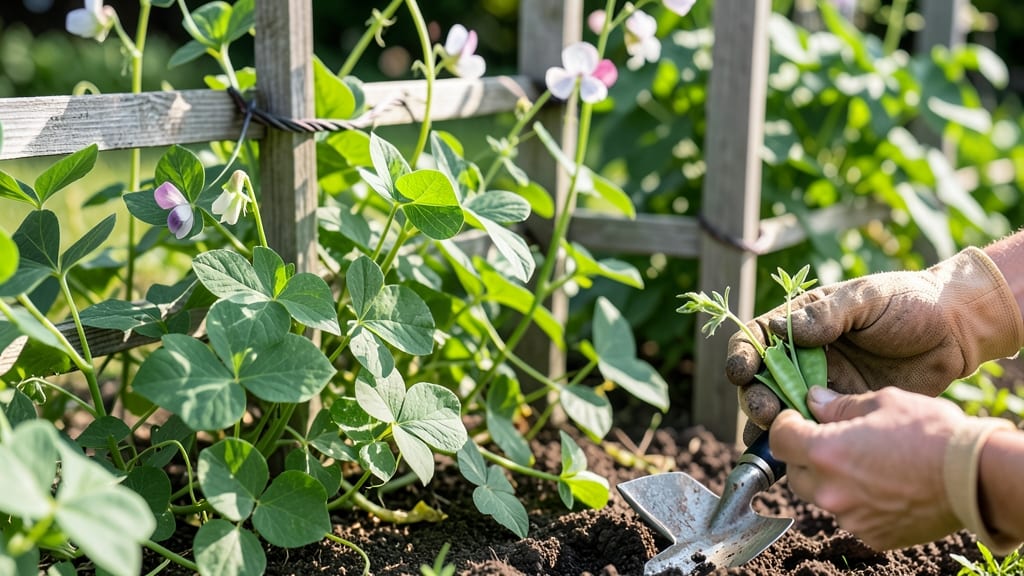
If you’ve ever planted English peas 🌱 in Alabama only to watch them wilt under the summer sun, you’re not alone—but there’s a smarter way. The key to success lies in timing your planting just right, choosing heat-resistant varieties, and working with Alabama’s unique climate zones.
Alabama’s 7a-8b zones mean you’ve got two prime windows to grow sweet, tender peas: late winter/early spring and fall. Miss these windows, and you’ll battle the heat instead of enjoying a bountiful harvest.
Let’s break down the exact weeks to plant for maximum yield, plus the best varieties that thrive in your region.
From avoiding summer stress to extending your harvest with succession planting, I’ll share the strategies that work in my Alabama garden—and how you can apply them too.
Whether you’re a beginner or a seasoned gardener, these tips will help you grow peas that are crisp, flavorful, and ready to pick from April to November.
Ready to turn your pea patch into a high-yielding success? Let’s dive into the ideal planting schedule, the top heat-tolerant varieties, and the pro techniques that keep your peas thriving all season long.
Best planting windows for English peas in Alabama’s climate zones
Alabama’s diverse microclimates mean your planting schedule should match your USDA zone (7b-8a) and local frost dates. North Alabama gardeners (like those in Huntsville, zone 7b) have cooler springs, while South Alabama (like Mobile, zone 8a) faces earlier heat stress.
Timing is critical—plant too early, and late frosts damage seedlings; too late, and summer heat stunts growth.
For spring peas, aim to sow seeds 4-6 weeks before your last frost date—typically mid-February to early March in North Alabama and late February to mid-March in Central/South Alabama.
Fall planting is equally important: sow 8-10 weeks before your first frost (usually mid-August to early September), ensuring pods mature before cool weather sets in.
Here’s the golden rule: English peas thrive in cool temperatures (50-75°F). If daytime temps hit 80°F+, growth slows, and flowers may drop. Alabama’s humidity adds another layer—poor airflow increases fungal diseases like powdery mildew. We’ll break down exact weeks by region to maximize your harvest.
| Region | USDA Zone | Spring Planting Window | Fall Planting Window | Key Tip |
|---|---|---|---|---|
| North Alabama | 7b | Feb 15 - Mar 1 | Aug 15 - Sep 1 | Use row covers for early starts. |
| Central Alabama | 8a | Feb 28 - Mar 15 | Aug 1 - Aug 15 | Prioritize shade cloth in summer. |
| South Alabama | 8a | Mar 1 - Mar 15 | Jul 20 - Aug 5 | Opt for heat-tolerant varieties like 'Green Arrow'. |
Alabama’s fall planting is often overlooked but yields sweeter, more tender peas than spring. Start seeds indoors 6-8 weeks before your target date (e.g., late June for a mid-August transplant).
Harden off seedlings by mid-July to prepare for outdoor conditions. Pro tip: Mulch heavily with straw to retain moisture and regulate soil temps.
If you’re in South Alabama (zone 8a), consider succession planting every 2-3 weeks from February to April to stretch your harvest. Use trellises to save space—peas grow 1-3 feet tall and benefit from vertical support. This also improves air circulation, reducing disease risk in Alabama’s humid climate.
For North Alabama gardeners, focus on early spring and late fall planting. If you miss the spring window, don’t despair—fall peas often produce better yields because they avoid pest pressure from spring insects.
Just ensure your soil stays cool and moist; Alabama’s clay-heavy soils can dry out quickly, so amend with compost before planting.
One common mistake is planting peas too close to summer. By May 1, most of Alabama faces consistent 85°F+ temps, which stress peas.
Instead, treat late spring as a garden reset: pull up exhausted pea plants, add organic matter, and replant with heat-tolerant greens like malabar spinach or okra.
To track your local frost dates, check the Alabama A&M Extension’s frost calendar or use Almanac.com’s frost tools. Adjust your schedule ±1 week based on microclimates—e.g., valleys frost later than hilltops.
For urban gardeners, sidewalks and buildings can create heat islands, so plant peas 1-2 weeks later than rural areas.
Remember: Peas are cool-season crops, but with Alabama’s long growing season, you can enjoy two full harvests per year. Start with spring peas for early table treats, then shift to fall varieties for a late-season bounty.
With the right timing, you’ll turn Alabama’s challenging heat into an advantage—crisp, flavorful pods all season long! 🌱
Best planting windows for English peas in Alabama’s climate zones
Alabama’s USDA zones 7b-8a create unique challenges for growing English peas, but timing is everything. The key is planting when soil temps stay below 80°F—spring and fall offer the best chances for success.
In Northern Alabama (zones 7b), you’ll have slightly cooler conditions, while Southern Alabama (zones 8a) demands earlier starts to avoid summer heat stress.
For spring planting, aim to sow seeds 4-6 weeks before your last frost date, typically between mid-February and early March. This gives peas time to mature before Alabama’s hot summer temperatures arrive.
In Central Alabama, you might push planting to late February for a slightly longer harvest window, while Southern Alabama gardeners should start by mid-February to avoid overheating.
Fall planting is your secret weapon against summer heat. Sow seeds 8-10 weeks before your first frost, usually between mid-August and early September. This timing ensures peas mature before cool autumn temperatures set in.
In Northern Alabama, you can extend this window to late September for a late harvest, while Southern Alabama should finish by mid-September.
🌱 Alabama English Pea Planting Timeline
| Region | Spring Planting Window | Fall Planting Window | Key Consideration |
|---|---|---|---|
| Northern Alabama (Zones 7b) | Late February - Early March | Late August - Early September | Cooler nights extend harvest |
| Central Alabama (Zones 7b-8a) | Mid-February - Late February | Mid-August - Late August | Balanced heat tolerance needed |
| Southern Alabama (Zones 8a) | Mid-February - Early February | Mid-August - Early September | Early starts critical for heat avoidance |
Don’t overlook succession planting—sow new seeds every 2 weeks during your planting window to ensure a continuous harvest. This works especially well in fall, where staggered plantings can extend your harvest into late October or early November before frost hits.
For example, my first fall planting in Birmingham yielded pods until November 5 last year!
Pro tip: Use shade cloth (30-50%) if you must plant in late spring (April) to protect young plants from intense Alabama sun. This buys you extra time for a second harvest attempt when traditional windows close.
Just be sure to remove the cloth once plants are established to avoid legume blight risks from trapped humidity.
Finally, monitor soil temperatures—peas thrive when soil stays between 45°F and 75°F. Use a soil thermometer to confirm readiness before planting. In warmer microclimates (like urban areas), you may need to plant 1-2 weeks earlier than rural zones to match cooler soil conditions.