
Plants
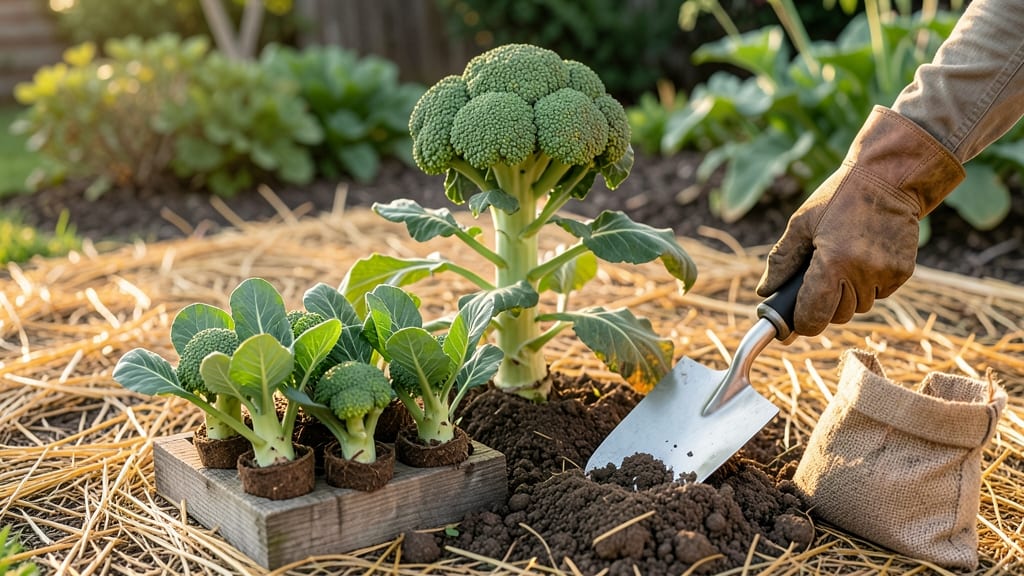
When to plant fall crops in Zone 8 isn’t just about picking a date—it’s about catching that sweet spot when your soil cools just enough to trigger germination without inviting summer heat stress. 🍂 Miss this window, and you might end up with seeds that never sprout or crops that bolt before you get to harvest them.
Most gardeners in Zone 8 assume planting in late summer is enough, but the real secret lies in soil temperature. Warm-season crops like beans need that 75–85°F window, while cool-season stars like kale thrive when temps dip to 60–70°F.
If you plant too early, the heat will fry your seedlings; too late, and frost sneaks in before your harvest.
I’ve learned the hard way that the 4–6 weeks before first frost rule is your best friend here. That means for Zone 8, where frost typically arrives around mid-December, your planting window opens in early to mid-October for most crops.
But don’t just guess—monitor your soil and adjust for your microclimate.
In this guide, I’ll break down the exact planting windows for your top fall crops, how to read soil temperature cues, and pro tips to stretch your harvest season. Let’s make sure your garden delivers a bounty, not a bust.

Zone 8 soil temperature triggers for fall planting success
Fall planting in Zone 8 hinges on soil temperatures dropping just enough to trigger germination for cool-season crops while avoiding the lingering heat that can stunt young seedlings.
Unlike spring planting, where soil warms up gradually, fall requires precise timing to catch that sweet spot between summer's residual heat and winter's chill.
Your goal is to plant when soil temperatures fall between 60–70°F for most cool-season vegetables. This range ensures seeds sprout reliably without risking bolting (premature flowering) from residual summer warmth.
For warm-season crops like beans or cucumbers, you’ll need to plant earlier in the season when soil temps still hover around 75–85°F.
Monitoring soil temperatures is easier than you think. A simple soil thermometer ($10–$15 at garden centers) will give you real-time data. Stick it in the ground at your planting depth (usually 2–3 inches) and check readings in the morning.
If your soil is still above 75°F in late August, hold off on planting lettuce or spinach—those seeds will just sit there, waiting for cooler conditions.
Local weather patterns also play a role. In Zone 8, the first frost typically arrives around mid-December, but this varies by microclimate. Coastal areas may stay frost-free longer, while inland regions could see earlier cold snaps.
Use your average first frost date as a backward count: most fall crops need 4–6 weeks to mature after planting.
For example, if your first frost is December 15, aim to plant broccoli or kale by early October. These crops thrive in cooler temps and can handle light frosts, but they won’t survive a hard freeze.
Meanwhile, faster-maturing crops like radishes or lettuce can be sown as late as November for a quick harvest before winter sets in.
Here’s a quick rule of thumb: Plant warm-season crops in late summer (August) when soil temps are still warm, and shift to cool-season crops in early fall (September–October) as temperatures drop. This two-phase approach maximizes your harvest potential in Zone 8’s extended growing season.
| Crop Type | Ideal Soil Temp (°F) | Planting Window (Zone 8) | Days to Maturity |
|---|---|---|---|
| Warm-Season (e.g., Beans, Cucumbers) | 75–85°F | Late July–Early August | 50–70 days |
| Cool-Season (e.g., Lettuce, Spinach) | 60–70°F | Mid-September–Early October | 30–60 days |
| Hardy Cool-Season (e.g., Kale, Carrots) | 55–65°F | Early September–Late October | 60–90 days |
| Fast-Maturing (e.g., Radishes, Arugula) | 50–60°F | Late September–November | 20–40 days |
Adjust your planting timeline based on your local microclimate. If you live in a cooler pocket of Zone 8, you might start planting cool-season crops a week earlier. Conversely, if you’re in a warmer microclimate, delay until soil temps consistently drop below 75°F.
Always err on the side of caution—it’s easier to replant failed seeds than to salvage heat-stressed seedlings.
Pro tip: Use shade cloth or row covers to protect young plants from unexpected heat spikes in late summer. This gives you a buffer to plant slightly earlier without risking seedling stress. Just remove the covers once soil temps stabilize below 75°F.
Finally, don’t overlook soil preparation. Amend your beds with compost or aged manure in late summer to improve drainage and fertility. Well-prepared soil warms and cools more evenly, giving your fall crops the best chance to thrive as temperatures fluctuate.
By mastering these soil temperature triggers, you’ll unlock a bountiful fall harvest in Zone 8—no guesswork required! 🌱
Best fall crops for Zone 8 and their exact planting windows
Choosing the right fall crops for Zone 8 means focusing on varieties that thrive in cooler temperatures but still need time to mature before winter sets in. In my garden, I’ve found that cool-season vegetables like kale, carrots, and broccoli are my top performers when planted at the right time.
The key is to start 4–6 weeks before your first frost, which in Zone 8 typically lands between mid-August and early October.
For fast-maturing crops like radishes or lettuce, you can even begin sowing as early as late July—just be prepared to provide shade if summer heat persists. Meanwhile, longer-season crops such as Brussels sprouts or cabbage need a head start in early September to avoid bolting before harvest.
My rule of thumb? Check seed packets for days-to-maturity and count backward from your frost date.
🌱 Zone 8 Fall Planting Timeline
- Late July: Fast growers like radishes, lettuce, spinach (30–50 days to harvest).
- Mid-August: Carrots, beets, bush beans (50–60 days).
- Early September: Broccoli, cabbage, kale (60–80 days).
- Late September: Brussels sprouts, cauliflower (80–100 days).
Pro Tip: Use row covers to extend harvests by 2–4 weeks in chilly microclimates.
One of my biggest mistakes early on was planting slow-growing crops like cauliflower too late. In Zone 8’s mild winters, temperatures can still hover around 50–60°F in December, but growth slows dramatically.
To avoid disappointment, I now prioritize cold-hardy varieties such as ‘Winterbor’ kale or ‘Purple Vienna’ carrots, which tolerate light frosts and even sweeten up when exposed to cold.
Herbs like cilantro and dill also do surprisingly well in fall, provided you sow them by mid-September. These biennial herbs often bolt in summer heat but thrive as cool weather approaches.
For maximum yield, I interplant them with slow-growing crops like leeks or onions, which take up space later in the season. This succession planting strategy keeps my garden productive well into November.
If you’re new to fall gardening, start small with easy-to-grow crops like bush beans or turnips. These tolerate a wider range of temperatures and forgive minor timing mistakes.
For advanced gardeners, experimenting with overwintering crops like garlic or hardy greens can extend your harvest into spring—but that’s a topic for another guide! The goal here is to balance bold choices with reliable staples for a foolproof fall harvest.
Remember, soil preparation is just as critical as planting dates. Amend your beds with compost or aged manure in early August to give roots a nutrient boost before cool weather sets in. And always water deeply in the morning to prevent fungal issues as nights grow cooler.
With these strategies, my fall garden consistently outperforms my spring plantings—proof that timing is everything! 🌿