
Planting
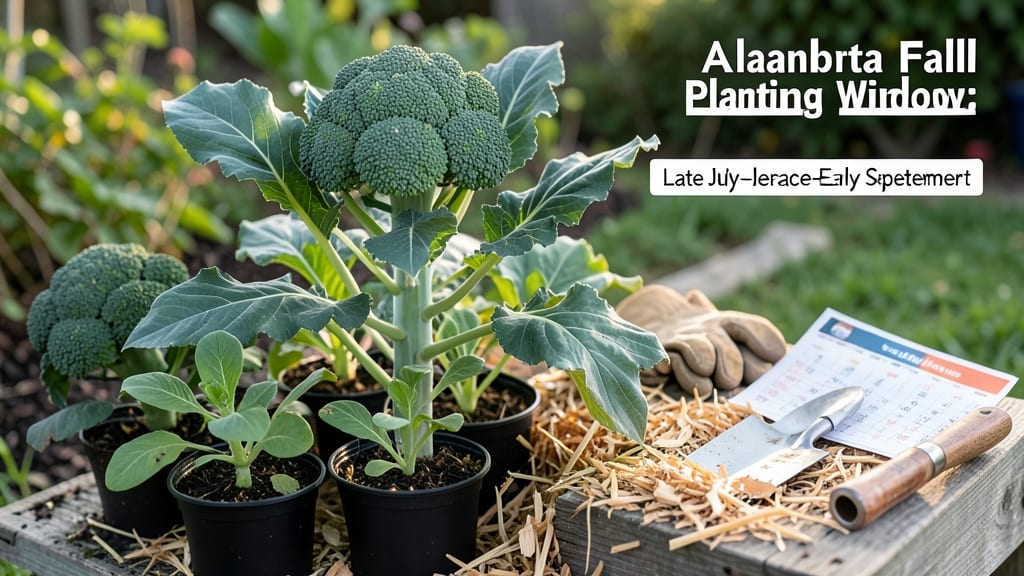
Timing when to plant a fall garden in Alabama isn’t just about luck—it’s about working with your state’s unique climate to grow crisp, flavorful vegetables before the first frost.
With Alabama’s USDA zones 7a-8b, you’ve got a narrow window to plant heat-tolerant crops like okra and sweet potatoes while still making room for cool-season greens that thrive in milder temperatures.
Miss the mark, and you’ll either scramble to replant or watch your garden fade before harvest. The key? Starting 4-6 weeks before your first frost—typically between mid-August and early September—gives your plants enough time to mature without racing against the clock.
I’ll show you exactly which crops to prioritize and how to stretch your growing season with simple tricks.
Think you’re too late for a fall garden? Think again. Alabama’s extended growing season (thanks to those 200 frost-free days) means you can still enjoy fresh collards, turnips, and even late-season tomatoes if you plan ahead.
Let’s break down the perfect planting schedule so you can turn your backyard into a harvest goldmine—no guesswork required.
From heat-loving staples to frost-hardy greens, I’ll walk you through the exact timing, soil prep, and regional tips to make your Alabama fall garden a success. Ready to dig in?
Alabama’s fall planting timeline: frost dates & heat-tolerant varieties
Alabama’s fall planting season kicks off in late July to early August, but the exact timing depends on your region—whether you’re in USDA Zone 7a (northern Alabama) or Zone 8b (southern Alabama). The key is to plant heat-tolerant crops first, then transition to cool-season vegetables as temperatures drop.
Northern Alabama typically sees its first frost around November 1, while southern Alabama can extend harvests until mid-November or later.
For heat-loving crops like okra, sweet potatoes, and southern peas, start planting in late July to give them time to mature before cooler weather sets in. These crops thrive in Alabama’s summer heat but need to be harvested before temperatures dip below 50°F (10°C) at night.
Meanwhile, cool-season crops like kale, spinach, and broccoli should go in the ground 4-6 weeks before your average first frost—typically mid-to-late August for most of the state.
Use Alabama’s frost-free days (around 200 days) as your guide. If you’re in Zone 7a, aim to plant cool-season crops by August 15 to ensure a harvest before frost.
In Zone 8b, you’ve got a little more flexibility, with September 1 often being a safe cutoff for most vegetables. Always check the Alabama Cooperative Extension Service’s frost maps for your specific county to fine-tune your schedule.
📅 Key Dates for Alabama Fall Planting:
- Late July: Heat-tolerant crops (okra, sweet potatoes, black-eyed peas)
- Mid-to-late August: Cool-season crops (kale, spinach, lettuce)
- Early September: Fast-maturing crops (radishes, turnips, green onions)
- October (Zone 8b only): Late-season crops (cabbage, Brussels sprouts)
| Crop Type | Planting Window | Harvest Window | Notes for Alabama |
|---|---|---|---|
| Heat-Tolerant Crops | Late July - Early August | September - October | Okra, sweet potatoes, southern peas |
| Cool-Season Leafy Greens | Mid-August - Late August | October - November | Spinach, kale, Swiss chard |
| Root Vegetables | Late August - Early September | October - December | Carrots, radishes, turnips |
| Brassicas | Early September (Zone 8b) | November - December | Broccoli, cabbage, Brussels sprouts |
Alabama’s soil temperatures play a critical role in fall planting success. Most cool-season crops prefer soil temps between 50°F and 75°F (10°C-24°C). If your soil is still above 80°F (27°C) in late August, consider mulching or shading to cool it down before planting.
You can test soil temperature with a soil thermometer or simply press your hand into the soil—if it feels too hot to hold for 10 seconds, wait a few days.
Don’t overlook succession planting—this technique lets you stagger crops for continuous harvests. For example, plant radishes every 2 weeks from August through September to enjoy fresh harvests all fall. Similarly, lettuce and green onions can be sown in weekly batches to ensure a steady supply.
This is especially useful in Alabama, where fall weather can be unpredictable, and you want to maximize your garden’s productivity before frost.
One of the biggest mistakes Alabama gardeners make is planting too late. If you wait until October, many crops won’t have enough time to mature before frost. For instance, broccoli takes 70-90 days to harvest, so planting it after September 1 in Zone 7a is risky.
Instead, opt for fast-maturing varieties like ‘Winterbor’ kale (ready in 30 days) or ‘Cherry Belle’ radishes (ready in 25 days) to squeeze in late-season harvests.
Finally, prepare your soil in early summer to give your fall garden the best start. Work in 2-3 inches of compost and a balanced fertilizer (10-10-10) to replenish nutrients lost during the summer.
Alabama’s clay-heavy soils can compact easily, so consider raising beds or amending with sand if drainage is poor. Well-prepared soil ensures your plants establish strong roots before cooler weather arrives.
With Alabama’s short but sweet fall growing season, every day counts. By following these region-specific planting windows and crop rotations, you’ll enjoy a bountiful harvest of sweet potatoes, collard greens, and more—long after your neighbors’ gardens have gone dormant. 🌱
Top 5 heat-tolerant fall crops for Alabama gardens (and when to start seeds)
Alabama’s fall garden thrives when you plant heat-tolerant varieties that transition smoothly into cooler weather. Unlike northern states, our USDA Zones 7a-8b allow for extended growing seasons—if you pick the right crops. These five varieties handle late-summer heat while setting up for crisp fall harvests.
Start with black-eyed peas, a Southern staple that loves Alabama’s heat. Sow seeds directly in the garden from mid-August through early September for pods ready by October. Their nitrogen-fixing roots even improve soil health—perfect for Alabama’s clay-heavy soils.
Sweet potatoes are another must-plant. Unlike their northern cousins, Alabama varieties like Beauregard mature quickly when planted in late July to early August. Use slips (young plants) instead of seeds for faster harvests by October.
Swiss chard bridges the heat-to-cool gap beautifully. Start seeds indoors in late July and transplant outdoors by mid-August. Its colorful stems add visual appeal while providing harvests through November. Try Bright Lights variety for vibrant colors.
Don’t overlook turnips—their fast growth (30-50 days) makes them ideal for Alabama’s short fall window. Direct-sow seeds from mid-August to early September for both greens and roots. The Purple Top White Globe variety handles our heat better than many others.
Collard greens are Alabama’s fall workhorses. Plant seeds directly in the garden from late August through September for tender leaves by October. They’ll keep producing until hard frosts—often well into December in southern Alabama. Try Georgia Southern for heat tolerance.
🌱 Alabama Fall Planting Calendar
- 🌱 Mid-August: Start black-eyed peas and turnips directly in garden
- 🌱 Late July: Begin Swiss chard indoors for August transplant
- 🌱 Early August: Plant sweet potato slips for October harvest
- 🌱 Late August: Sow collard greens seeds directly outdoors
- 🌱 September: Succession plant turnips every 2 weeks for extended harvest
For best results, pair these crops with companion plants like basil (repels pests) or marigolds (deters nematodes). Alabama’s humid climate means proper spacing (2-3 feet apart) is critical to prevent fungal diseases. Water deeply in the morning to keep roots cool during late-summer heat.
Remember: Southern Alabama (Zone 8b) has 30-45 days longer of growing season than Northern Alabama (Zone 7a). Adjust planting dates accordingly—start earlier in the south and later in the north.
With these heat-tolerant varieties, your Alabama fall garden will reward you with harvests long after your neighbors’ gardens have gone dormant.