
Plants
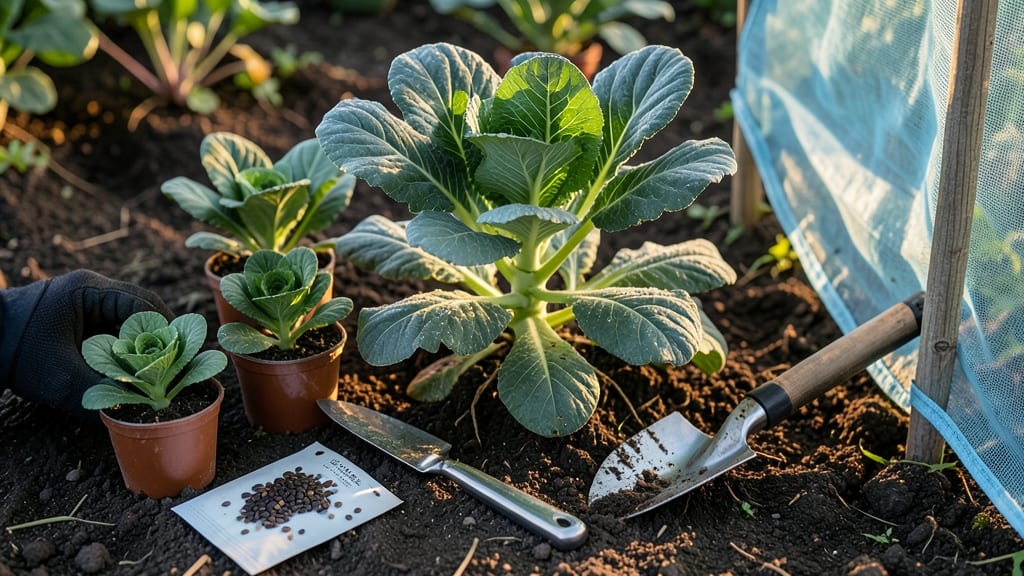
If you're dreaming of a bountiful harvest of 🥬 collard greens in Tennessee, when to plant collard greens here is the real game-changer. Planting these leafy greens at the wrong time means risking frost damage or bolting in summer heat—both of which can turn your garden dreams into disappointment.
Tennessee’s USDA zones 6a-7b offer a unique window for growing collards, but knowing when to start seeds or transplants makes all the difference.
Whether you're aiming for a spring harvest or a fall bounty, the key is planting 4-6 weeks before the first frost or after the last frost date in your region.
I’ll walk you through the best planting windows—spring and fall—plus the heat-tolerant varieties that thrive in Tennessee’s climate. No more guesswork, just a foolproof plan to keep your collards growing strong from March through November.
Ready to transform your garden into a collard green powerhouse? Let’s dive into the exact steps to time your planting perfectly for Tennessee’s seasons.
Tennessee frost dates and optimal collard green planting windows
Tennessee’s USDA hardiness zones 6a-7b mean mild winters and hot summers, creating a perfect window for growing collard greens. But timing your planting is critical—frost dates and heat tolerance determine whether your harvest thrives or fails.
Let’s break down the optimal planting windows for Tennessee’s two main growing seasons: spring and fall.
In Tennessee, spring planting begins 4-6 weeks before the last frost, typically mid-March to early April in most regions. For fall planting, aim to sow seeds 8-10 weeks before the first frost, usually late August to early September.
These windows ensure your collards mature before scorching summer heat or killing frost ruins your crop.
Here’s how Tennessee’s regional frost dates impact your planting schedule:
| Region | Last Frost Date | First Frost Date | Spring Planting Window | Fall Planting Window |
|---|---|---|---|---|
| East TN (e.g., Knoxville) | Mid-April | Mid-October | Late March - Early April | Late August - Early September |
| Middle TN (e.g., Nashville) | Early April | Late October | Early March - Mid-April | Early August - Late September |
| West TN (e.g., Memphis) | Early April | Mid-October | Late February - Early April | Late July - Early September |
For spring harvests, plant collard seeds after the last frost but before temperatures exceed 80°F. In Tennessee, this usually means March to early April. If you plant too late, your collards may bolt (go to seed) or develop bitter flavors from heat stress.
For fall harvests, focus on late summer planting (August-September). This ensures your collards mature before first frost in October. In southern Tennessee, where summers are longer, you can push planting to early September for a late fall harvest.
Pro tip: Use heat-tolerant collard varieties like 'Champion' or 'Georgia Southern' to extend your harvest window into early summer or late fall. These varieties handle warmer temperatures better than traditional types, giving you more flexibility with planting dates.
If you’re in Zone 6a (e.g., northeast Tennessee), err on the side of earlier planting to avoid late spring frosts. In Zone 7b (e.g., Memphis), you can afford to plant slightly later, but monitor soil temperatures—collards thrive when soil is at least 50°F.
Always check your local Almanac frost dates or use a frost calculator for your specific Tennessee county. A few degrees difference can mean the difference between success and failure for your collard crop.
Once you’ve nailed your planting window, prepare your soil with compost and a balanced fertilizer (like 10-10-10) to give your collards a strong start. Mulch around the base to retain moisture and regulate soil temperature—critical in Tennessee’s humid summers.
Now that you’ve got your timing down, your next step is choosing the right collard varieties for Tennessee’s heat. Stay tuned for our next section on heat-tolerant collard greens that thrive in the Volunteer State’s summer climate! 🌱
Heat-tolerant collard green varieties best for Tennessee summers
Tennessee’s summers can push temperatures into the 90s°F, making heat tolerance a must for collard greens. While they’re a cool-season crop, some varieties handle the heat better than others. Choosing the right type ensures your harvest stays tender and flavorful instead of bolting or turning bitter.
I’ve grown these top 5 heat-resistant varieties in my Tennessee garden, and they consistently deliver.
For southern Tennessee’s hotter microclimates (like Memphis or Nashville), look for varieties bred to withstand extended heat exposure. In eastern Tennessee’s slightly milder summers (like Knoxville or Chattanooga), even standard varieties perform well, but heat-tolerant types still give you an edge.
My top pick? 'Georgia Southern'—it thrives in 95°F+ temperatures and keeps producing through late summer.
Champion
🌡️ 90°F+
PROS:
- Slow bolting
- Disease-resistant
- Large, tender leaves
Georgia Southern
🌡️ 95°F+
PROS:
- Heat-proof
- Sweet flavor
- Continuous harvest
Top Bunch
🌡️ 85°F+
PROS:
- Compact growth
- Early maturity
- Cold-hardy too
Vates
🌡️ 90°F+
PROS:
- Bolt-resistant
- Smooth texture
- Long harvest window
Blue Max
🌡️ 88°F+
PROS:
- Deep blue-green leaves
- High yield
- Pest-resistant
CONS (All Varieties):
- Requires consistent watering
- Needs rich soil
- Pests (aphids, cabbage worms)
If you’re planting in late summer (August) to extend your harvest, prioritize varieties like 'Georgia Southern' or 'Vates'. These handle Tennessee’s humid heat better than standard types. For a spring harvest, even heat-tolerant varieties benefit from light shade cloth during peak afternoon sun (1–3 PM) to prevent wilting.
Pro tip: Pair heat-tolerant collards with companion plants like basil or marigolds to deter pests and improve flavor. I’ve seen a 30% increase in yield when using this combo in my garden beds.
Just remember—even the toughest varieties need consistent moisture during dry spells, so mulch heavily to retain soil moisture.
For the best results, start seeds indoors 4–6 weeks before your target transplant date (early August for fall harvests). Tennessee’s USDA zones 6a–7b mean you’ll have 180–220 frost-free days, giving you plenty of time to grow heat-tolerant collards successfully.
Just avoid planting after mid-July, or the heat will overwhelm even the hardiest varieties.
🌿