
Plants
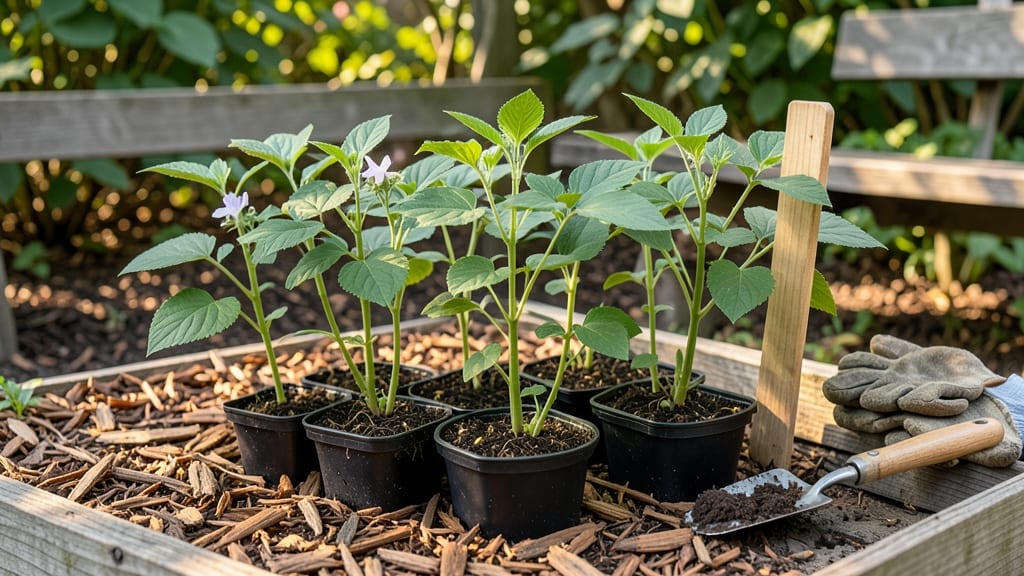
If you're dreaming of a crisp fall harvest of fresh 🌱 green beans in Missouri, planting them at the right time is the key to success. Planting too early risks pest infestations, while waiting too late means frost steals your crop before you even taste those tender pods.
Missouri's 5b-6b climate gives you a narrow but perfect window—late July to early August—for planting fall green beans. This timing ensures your beans mature just as cooler weather arrives, giving you October to November harvests before the first frost.
I've grown green beans in Missouri for years, and I've learned the exact weeks before frost that make all the difference. Whether you're a seasoned gardener or just starting, these insights will help you avoid common mistakes and maximize your yield.
Let's dive into the science-backed strategies that will have you picking fresh green beans straight from your garden—right up until that first chilly snap. You'll discover how to choose the right varieties, adjust for your local microclimate, and extend your harvest window for the most delicious fall harvest possible.
Missouri’s fall green bean planting timeline: weeks before frost for success
Missouri gardeners know timing is everything for a successful fall harvest, especially for green beans. With the average first frost date around October 15, you’ll need to plant your beans 8-10 weeks before frost to ensure a bountiful yield.
This means your planting window opens in late July and closes by early August—miss it, and you risk stunted growth or frost damage before harvest.
For reliable germination, soil temperatures should stay above 60°F (15°C). In Missouri’s USDA zones 5b-6b, this typically aligns with late July when daytime highs consistently reach the mid-80s. If your soil is cooler, consider using black plastic mulch to warm the ground and speed up sprouting.
This is especially critical for bush beans, which mature faster than pole beans.
Here’s the exact timeline for Missouri’s fall green bean planting, broken down by key stages:
For fast-maturing varieties (50-55 days to harvest), aim for a late July planting. These include Blue Lake Bush or Contender, which can produce pods quickly before cooler weather sets in.
If you prefer pole beans like Kentucky Wonder, plant them in early August—they take longer (60-70 days) but yield more over time.
Missouri’s microclimates play a role too. Southern regions like Springs have slightly later frost dates, while northern areas like Columbia may need to plant 1-2 weeks earlier.
Check your local frost date averages and adjust accordingly. A general rule: plant no later than August 1 for a reliable fall harvest.
Soil temperature is just as critical as air temperature. Use a soil thermometer to confirm your garden bed is above 60°F before planting. If it’s cooler, wait a few days or use black plastic mulch to create a warmer microclimate.
This small step can mean the difference between healthy seedlings and failed germination.
Once planted, focus on consistent watering (1-2 inches per week) and mulching to retain moisture and suppress weeds. Avoid overhead watering in the evenings to prevent fungal diseases like bean rust, which thrives in damp conditions.
With the right timing and care, you’ll enjoy fresh green beans straight from your garden until the first hard frost.
Pro tip: Succession plant every 2 weeks in late July for a continuous harvest. This works especially well for bush beans, which mature quickly and leave room for new plantings. By staggering your sowing, you’ll have beans ready to pick from mid-September through November.
Missouri’s fall green bean season is short but sweet—plan ahead, and you’ll reap the rewards of your labor with a garden bursting with fresh, homegrown pods just in time for holiday meals. 🌱
Missouri’s fall green bean planting timeline: weeks before frost for success
Missouri gardeners know timing is everything when planting fall green beans. With USDA zones 5b-6b, your planting window must align with the average first frost date—typically mid-October—to ensure a harvest before winter.
The key is planting 8-10 weeks before frost, which in Missouri translates to late July to early August for most varieties.
For fast-maturing varieties (50-55 days), you can stretch this slightly to early September, but avoid planting after mid-August unless you’re growing extremely cold-hardy types. Soil temperatures must stay above 60°F (15°C) for germination, so always check before sowing.
| Planting Window | Weeks Before Frost | Soil Temp Requirement | Best Varieties |
|---|---|---|---|
| Late July | 10-12 weeks | 60°F+ (15°C+) | Blue Lake, Tendercrop |
| Early August | 8-10 weeks | 60°F+ (15°C+) | Contender, Blue Lake Bush |
| Mid-August | 6-8 weeks | 65°F+ (18°C+) | Provider (pole), Kentucky Wonder |
Missouri’s microclimates play a role in your planting success. Northern regions like St. Joseph (Zone 5b) may need to plant 2 weeks earlier than southern areas like Poplar Bluff (Zone 6b). Always check your local frost date averages—the Missouri State Climatologist publishes annual updates to help.
If you’re growing pole beans for fall, start them 2 weeks earlier than bush beans, as they take longer to mature.
For succession planting, sow a second batch 2-3 weeks after the first to extend your harvest into late October—just be prepared to use row covers if frost threatens early.
Never plant green beans after mid-September unless you’re using cold frames or greenhouses. By then, days are too short for reliable germination, and soil-borne diseases (like white mold) become a bigger risk. Instead, focus on early August for the sweet spot between pest pressure and frost.
Pro tip: Test your soil’s pH (6.0-7.0) before planting—Missouri’s clay-heavy soils often need compost or lime to improve drainage. A mulch layer (straw or leaves) also helps retain soil warmth and moisture during fall’s temperature swings.