
Vegetables
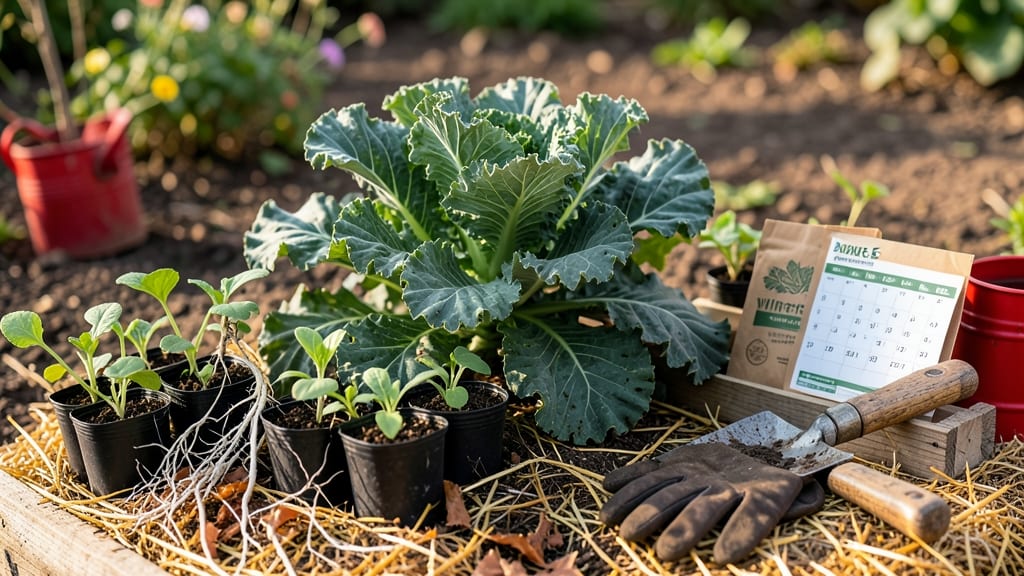
Knowing when to plant fall vegetables in Zone 5 can mean the difference between a thriving garden and a disappointing harvest. With just a few weeks to work before frost sets in, timing isn’t just important—it’s everything.
Whether you’re growing hearty kale 🥬 or sweet carrots, getting these cool-season crops in the ground at the right moment ensures they mature before winter freezes.
In Zone 5, where the first frost typically arrives around October 1, the window for planting is narrow but doable. The key is starting mid-summer to early fall, between late July and early September, so your vegetables have 60–90 days to grow before the cold hits.
This schedule lets you take advantage of warm soil and shorter daylight, which actually helps some crops like broccoli and spinach thrive.
But here’s the catch: not all fall vegetables play by the same rules. Leafy greens like lettuce and radishes can handle cooler soil and even light frosts, while root crops like carrots need that initial warmth to germinate.
I’ll break down the exact planting schedule for each type so you can avoid common mistakes—like bolting or stunted growth—that ruin harvests.
Ready to extend your growing season? Let’s dive into the precise weeks before frost for each vegetable, plus pro tips for soil prep and companion planting that’ll keep your garden productive right up until winter.
You’ll learn how to make the most of Zone 5’s short fall window without stress or guesswork.

Best fall vegetables for Zone 5 and their exact planting windows
Zone 5 gardeners have a short but sweet window to grow fall vegetables, but timing is critical. The key is planting 4-8 weeks before the first frost—typically around mid-August to early September—to ensure a harvest before winter sets in.
Soil temperatures should be at least 40°F for most cool-season crops, and daytime highs should stay above 50°F for consistent growth.
Not all vegetables thrive in fall’s cooler temperatures, so focus on cold-hardy varieties like kale, broccoli, carrots, and spinach. These crops not only tolerate frost but often improve in flavor after a light freeze.
For example, broccoli and kale can handle temps down to 20°F with proper protection, while radishes and spinach are even more frost-tolerant.
Here’s the golden rule for Zone 5: Calculate your average first frost date (usually October 1st), then work backward based on each vegetable’s days to maturity. For instance, if your broccoli takes 70 days to mature, plant it by late July to harvest before frost.
Adjust for soil warmth—cool soils slow germination, so aim for 60-70°F soil temps for best results.
| Vegetable | Days to Maturity | Planting Window (Zone 5) | Frost Tolerance | Soil Temp Requirement |
|---|---|---|---|---|
| Broccoli | 60-70 days | Late July - Early August | 20°F (with protection) | 60-70°F for germination |
| Kale | 50-60 days | Mid-August - Late August | 15°F (enhances sweetness) | 50-60°F for growth |
| Carrots | 60-80 days | Late July - Mid-August | 25°F (light frost sweetens) | 55-65°F for germination |
| Spinach | 30-50 days | Mid-August - Early September | 20°F (bolts in heat) | 50-60°F for growth |
| Radishes | 25-30 days | Late August - Early September | 25°F (harvest before hard freeze) | 55-65°F for germination |
| Lettuce | 45-60 days | Late July - Early September | 25°F (use row covers) | 50-60°F for growth |
| Green Onions | 60-70 days | Mid-August - Late August | 15°F (cut-and-come-again) | 55-65°F for germination |
*Adjust planting dates based on your specific first frost date and variety maturity rates.
For transplants like broccoli or cabbage, start seeds indoors 4-6 weeks before transplanting (around mid-July for Zone 5). Harden off seedlings for 7-10 days before moving them outdoors to prevent shock.
If you’re direct-sowing seeds like carrots or radishes, wait until soil temps drop below 80°F—typically late July to early August—to avoid bolting or poor germination.
One common mistake is planting warm-season crops like tomatoes or peppers in fall. These need consistent warmth and won’t mature before frost. Stick to cool-season crops that thrive in 50-70°F temps and can handle light frosts.
Even peas, which are technically cool-season, should be planted by early August to avoid stunted growth.
Soil preparation is just as critical as timing. Before planting, amend your soil with compost or aged manure to improve drainage and fertility. Fall vegetables prefer well-draining, slightly acidic soil (
Zone 5 fall planting calendar: weeks before frost by vegetable type
Timing your fall vegetable planting is all about counting backward from your first frost date—usually around October 1st in Zone 5. Each crop has a maturity window that determines when to start seeds or transplant seedlings.
For example, broccoli needs 8-12 weeks to reach harvest, while radishes mature in just 4-6 weeks. This calendar simplifies the process with exact weeks before frost for 14 key crops.
Start by checking your local frost dates—they can vary by 1-2 weeks even within Zone 5. For instance, 5a regions (colder) may need to plant earlier than 5b regions.
Use these guidelines to align your planting with your area’s specific frost timeline. The key is to avoid overwintering tender crops like tomatoes, which won’t survive Zone 5’s winter.
Pro tip: Soil temperature matters just as much as frost dates. Most fall vegetables prefer soil temps between 50°F and 70°F. Use a soil thermometer to check—cool soil slows germination.
If your soil is too hot (above 80°F), wait a week or two before planting seeds like peas or carrots to avoid poor germination.
For transplanted seedlings, like broccoli or cabbage, harden them off for 7-10 days before moving them outdoors. This means gradually exposing them to sun, wind, and cooler temps to prevent shock. Use shade cloth on hot days to protect tender seedlings while they acclimate.
Don’t forget to adjust for your microclimate. Gardens near large bodies of water or in urban areas may stay warmer longer, while elevated spots or rural areas cool faster.
Observe your garden’s behavior over the years to fine-tune your planting schedule. A journal with notes on frost dates and crop success can save you time—and veggies—for seasons to come!
With this calendar, you’ll avoid the two biggest mistakes: planting too early (risking bolting or pests) or too late (missing the harvest window). Stick to these guidelines, and you’ll enjoy fresh, homegrown veggies straight through October and November—or even later with a little frost protection! 🌱