
Plants
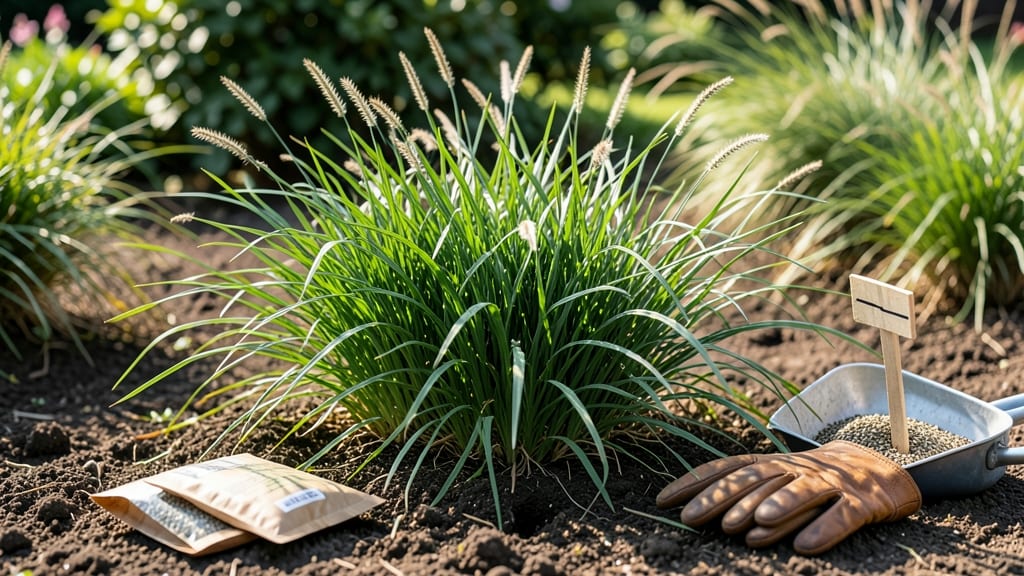
If you're dreaming of a lush, green lawn in North Texas, timing your fescue planting is the key to success—especially when the summer heat can turn your grass into a crispy mess if you're not careful.
The right window isn't just about avoiding scorching temperatures; it's about giving your 🌱 fescue the best chance to establish strong roots before winter sets in.
Most gardeners in USDA zones 7b-8a swear by late summer to early fall as the prime time to plant, but why? Because this period balances cooling soil temperatures with enough warmth to encourage growth without stressing the grass.
Skipping this window could mean weaker roots, slower spread, and a lawn that struggles to survive the next Texas summer.
I’ve seen firsthand how a well-timed planting transforms a patchy yard into a vibrant carpet of green. In this guide, I’ll break down the exact months to plant, soil prep secrets, and how to avoid common mistakes that derail even the best-laid plans.
Let’s get your fescue off to the right start—no guesswork, just results.
Whether you’re a first-time planter or a seasoned gardener, these insights will help you maximize your fescue’s potential. Ready to turn your lawn into the envy of the neighborhood? Let’s dive in.
Best planting months for fescue in North Texas: exact timing for success
North Texas’s hot summers and variable fall weather demand precise timing when planting fescue grass. Unlike warm-season grasses, fescue thrives in cool-season windows, so planting at the wrong time can stunt growth or invite disease.
The ideal window is late summer to early fall—specifically August through October—when soil temperatures drop below 80°F and days grow shorter.
This timing aligns with North Texas’s USDA zones 7b-8a, where the first frost typically arrives around November 15. Planting 4-6 weeks before frost gives fescue enough time to establish deep roots before winter dormancy.
Miss this window, and your lawn may struggle to recover from summer stress or freeze before settling in.
Here’s the breakdown of optimal planting months and why they work best for fescue in North Texas:
While spring planting is possible in North Texas, it’s riskier due to rapid summer heat that can dehydrate young fescue. If you must plant in spring, aim for late March to early April and prioritize deep watering to combat drought stress.
However, fall planting remains the gold standard for strong, resilient fescue in this region.
North Texas’s microclimates also play a role. Higher elevations (like the Hill Country) can plant slightly later, while urban heat islands (like Dallas-Fort Worth) may need to start earlier to avoid soil overheating. Always check your local Texas A&M AgriLife Extension recommendations for hyper-local advice.
Pro tip: Use a soil thermometer to confirm temperatures are below 80°F before planting. Fescue seeds need consistent moisture and cool soil to germinate properly—skipping this step can lead to poor germination rates or fungal issues.
Once planted in the optimal window, fescue can establish 60-70% of its root system before winter, giving it a head start for spring growth. This early root development is key to surviving North Texas’s intense summer droughts and heatwaves.
For overseeding existing lawns, follow the same timing but reduce seed rates by 20-30% to avoid competition with established grass. Always mow high (3-4 inches) before overseeding to protect new seedlings from lawnmower damage.
Timing your fescue planting right isn’t just about when—it’s about how you prepare your soil and care for it afterward. In the next section, we’ll dive into soil prep steps tailored for North Texas’s clay-heavy soils and alkaline conditions.
Best planting months for fescue in North Texas: exact timing for success
North Texas’s hot summers and variable winters demand precise timing for fescue planting. The ideal window is late summer to early fall—specifically August through October—when soil temperatures drop below 80°F but before the first frost. This timing ensures strong root establishment before winter dormancy.
Fescue is a cool-season grass, meaning it thrives when temperatures are mild. Planting in August or September gives seeds 4-6 weeks to germinate and develop deep roots before November’s first frost. Texas A&M AgriLife Extension confirms this window maximizes survival rates and minimizes summer stress.
For spring planting, aim for early March—after the last frost but before soil temperatures rise above 75°F. However, spring planting is riskier due to North Texas’s unpredictable heat spikes and limited root growth before summer dormancy sets in.
Here’s how microclimates in North Texas affect timing:
- Dallas/Fort Worth: Plant by mid-October to avoid winter freezes.
- Panhandle regions: Shift to late August due to earlier frost dates.
- East Texas (e.g., Tyler): Extend to early November for slightly warmer winters.
If you miss the fall window, consider overseeding in late fall (November) for patchy areas. However, avoid planting after October 15th—new growth won’t establish roots before winter dormancy, leaving your lawn vulnerable to freeze damage and disease.
Pro tip: Use a soil thermometer to monitor temperatures. Fescue seeds germinate best when soil is between 60-70°F. If temperatures exceed 85°F, delay planting until conditions cool—even by a few weeks, it’s worth the wait for a thicker, healthier lawn. 🌱