
Flowers
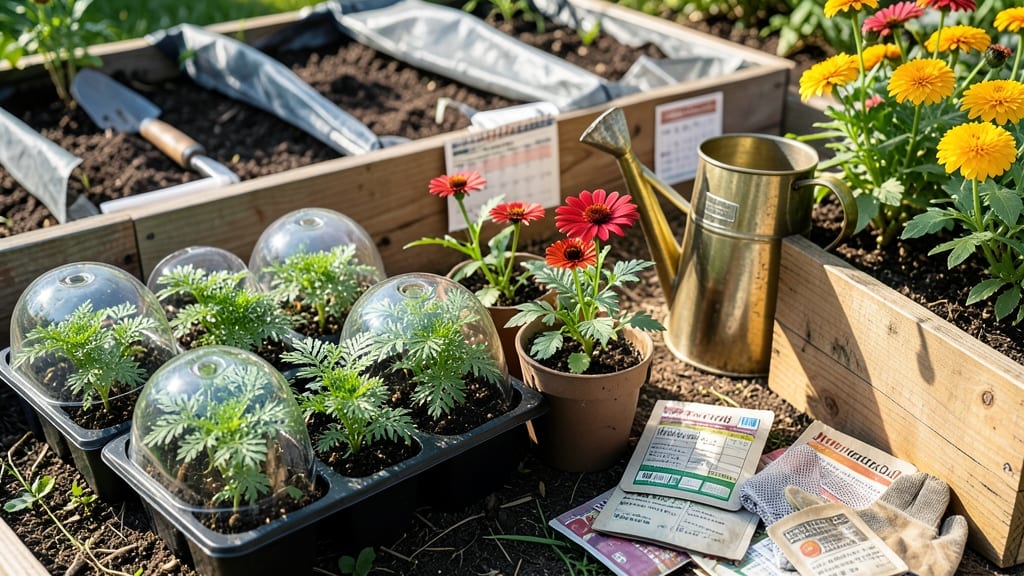
Timing your flower seeds planting in Massachusetts isn’t just about luck—it’s about matching nature’s rhythm with your garden’s needs. With USDA Zone 5b-6b bringing unpredictable frost dates, one wrong move could mean lost blooms or wasted effort.
I’ve spent years perfecting the schedule, and what I’m about to share will help you avoid common mistakes that even experienced gardeners make. Whether you’re sowing 🌸 marigolds in March or waiting for the perfect August moment for fall blooms, knowing the right window makes all the difference.
From coastal Boston’s milder springs to the Berkshires’ cooler inland areas, your location matters. Let’s break down the exact months to plant, how to adjust for microclimates, and which flowers thrive best in your zone—so you can enjoy a garden bursting with color all season long.
Ready to transform your garden? Here’s your step-by-step guide to planting flower seeds at the perfect time, every time—no guesswork required.
Massachusetts flower seed planting calendar by month (zone 6A guide)
Massachusetts’ USDA Zone 6A offers a short but sweet growing season, so timing your flower seed planting is critical. Most gardeners aim for March through May for spring blooms, but some cold-hardy varieties can handle earlier starts.
The key? Avoid frost dates—typically mid-April for last frost and mid-October for first frost.
For annual flowers like marigolds and zinnias, wait until after the last frost (usually late April to early May) to sow directly outdoors. Perennials like coneflowers and black-eyed Susans can start indoors in February or March for earlier blooms. Fall planting (August-September) works for cool-season flowers like pansies and snapdragons.
🌱
| Month | Plant Type | Ideal Flowers | Notes |
|---|---|---|---|
| February | Indoor Starts | Perennials (Coneflowers, Lavender) | Start seeds indoors under grow lights. |
| March | Cold-Hardy Outdoors | Sweet Alyssum, Snapdragons | Plant after soil reaches 40°F. |
| April | Direct Sowing | Calendula, Nasturtiums | Wait for soil to warm to 50°F. |
| May | Warm-Season Flowers | Marigolds, Zinnias, Sunflowers | Plant after last frost (mid-April). |
| August | Fall Bloomers | Pansies, Sweet Peas | Sow 6-8 weeks before first frost. |
| September | Late-Season Starts | Cosmos, Bachelor’s Buttons | Plant for early spring blooms next year. |
If you’re planting sunflowers or delphiniums, start seeds indoors in March and transplant after the last frost. For coastal areas (like Cape Cod), wait 1-2 weeks longer due to delayed warming. Inland regions (e.g., Worcester) can plant slightly earlier.
Pro tip: Use biodegradable seed starters to jumpstart growth. Place them in well-draining soil and keep moist until germination (usually 7-14 days, depending on the flower type).
For slow germinators like foxglove or lupines, pre-soak seeds overnight to improve success rates. Always label your seeds—Massachusetts’ variable weather can make tracking varieties tricky!
🌿
Extend your season by using row covers or cold frames for early spring plantings. These protect tender seedlings from late frosts, which are common in Zone 6A. Monitor your local frost-free date (check the National Weather Service for updates) and adjust accordingly.
Remember: Soil temperature matters more than air temperature. Use a soil thermometer to ensure it’s at least 50°F before planting warm-season flowers. Cool soil can stunt growth or prevent germination entirely.
🌸
How to adjust planting dates for Massachusetts’ microclimates (coastal vs. inland)
Massachusetts’ diverse geography creates microclimates that shift planting windows by weeks. Coastal areas like Cape Cod and Boston experience milder winters and later frosts, while inland regions such as the Berkshires face earlier freezes. Understanding these differences lets you fine-tune your schedule for peak blooms.
Coastal gardens often enjoy 10–14 days longer frost-free periods than inland areas. For example, Provincetown may safely plant marigolds by April 15, while Pittsfield should wait until May 1. Always check your local last-frost date—the USDA’s average doesn’t account for these variations.
Soil temperature is your best guide. Use a soil thermometer to confirm 50°F+ for most seeds. Coastal soils warm faster due to ocean influence, while inland areas lag behind. For instance, Nantucket might hit 50°F by April 10, while Worcester may not reach it until April 25.
Local weather patterns also matter. Inland areas like the Connecticut River Valley can experience sudden cold snaps in May, while coastal regions benefit from moderating ocean breezes. Monitor 10-day forecasts and adjust planting dates if frost is predicted within 7–10 days.
| Factor | Coastal (e.g., Cape Cod, Boston) | Inland (e.g., Berkshires, Worcester) |
|---|---|---|
| Last Frost Date | Mid-April | Early May |
| Soil Warms to 50°F | Early April | Late April |
| Best Month for Annuals | April–May | May–June |
| Frost Risk in May | Low | Moderate |
| Adjustment Tip | Plant 2 weeks earlier than inland | Wait for stable 50°F soil; use row covers |
For coastal gardeners, start hardy annuals like pansies or snapdragons in March under cloche protection. Inland gardeners should wait until after May 15 for these same seeds to avoid frost damage. Perennials like coneflowers or black-eyed Susans can be sown in late spring (May–June) in both regions.
Use row covers or cold frames to extend your coastal planting window into March. Inland areas benefit from black plastic mulch to warm soil faster.
For fall planting, coastal zones can sow hardy flowers like calendulas until September 15, while inland areas should finish by September 1.
Pro tip: Track your local frost dates for 3 years to spot patterns. Adjust your schedule by 7–10 days based on your microclimate—this small tweak can mean the difference between wilted seedlings and a blooming paradise.