
Flowers
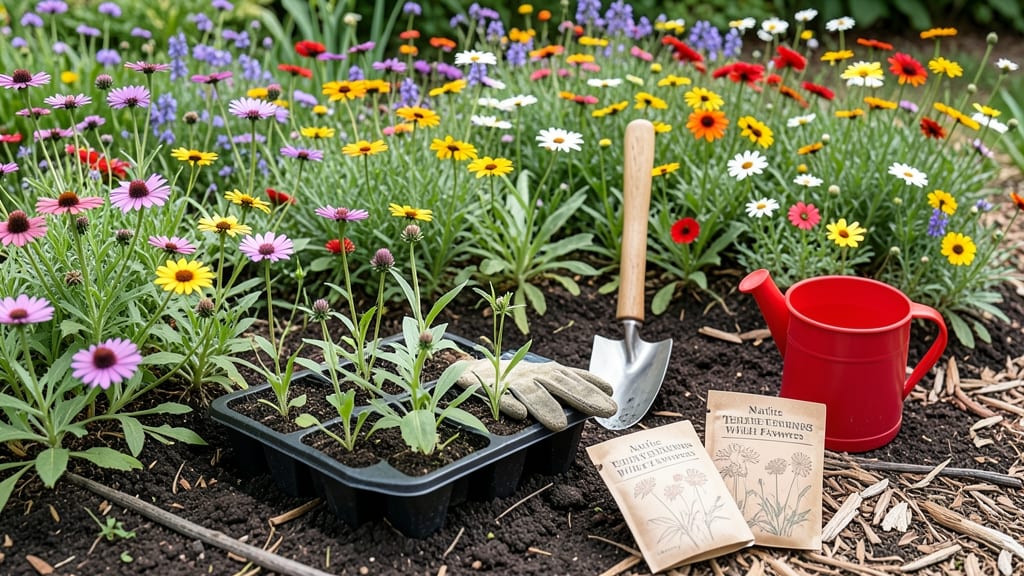
Timing is everything when it comes to planting your 🌸 flower seeds in Tennessee—get it right, and you’ll enjoy vibrant blooms all season long.
The state’s diverse USDA zones (6a-8a) mean frost dates vary wildly, from late March in the south to early April in the mountains, so knowing when to start is the key to success.
If you’ve ever watched your delicate seedlings turn to ice after a surprise frost or missed the perfect window for summer-long color, you know how frustrating it can be.
The good news? With the right zone-specific deadlines and a few simple adjustments, you can avoid these common pitfalls and create a garden that thrives.
In this guide, I’ll break down the exact planting windows for Tennessee’s regions, from the Great Smoky Mountains to Nashville’s urban heat islands. You’ll learn how to prep your soil, choose the best flowers for your microclimate, and even extend your growing season with clever tricks.
Ready to transform your garden into a year-round paradise? Let’s dive into the step-by-step schedule that’ll have your flowers blooming like never before—no guesswork required.
Tennessee’s USDA zones & exact deadlines for planting flower seeds
Tennessee spans USDA Zones 6a to 7b, meaning your planting deadlines vary dramatically from the cool mountain regions of East Tennessee to the warmer valleys of Middle and West Tennessee.
For spring-blooming flowers, aim to plant seeds 2-4 weeks after your average last frost date, while fall-planted flowers need to go in 6-8 weeks before your first frost. Let’s break down the exact windows for each zone.
In Zone 6a (e.g., Great Smoky Mountains), your last frost date typically falls around April 15, so start annual flower seeds indoors in late February and transplant outdoors by May 1.
Meanwhile, Zone 7b (e.g., Memphis or Nashville outskirts) has a last frost around March 15, giving you an earlier start—plant seeds directly outdoors by mid-March for cold-hardy varieties like pansies or snapdragons.
| USDA Zone | Last Frost Date | Ideal Planting Window | Cold-Hardy Flowers | Heat-Lovers |
|---|---|---|---|---|
| 6a (East TN) | April 15 | Indoors: Late Feb Outdoors: May 1 |
Pansies, Snapdragons, Calendula | Marigolds, Zinnias (late May) |
| 6b (Middle TN) | April 1 | Indoors: Early Feb Outdoors: April 15 |
Sweet Alyssum, Larkspur, Stock | Cosmos, Sunflowers, Petunias |
| 7a (West TN) | March 15 | Indoors: Jan Outdoors: March 1 |
Violas, Primroses, Dianthus | Portulaca, Lantana, Vinca |
| 7b (Southwest TN) | February 28 | Indoors: Dec Outdoors: Feb 15 |
Sweet Peas, Stock, Snapdragons | Geraniums, Salvia, Ageratum |
For fall planting, the reverse applies: sow seeds 6-8 weeks before your first frost. In Zone 6a, that’s around August 15, while Zone 7b gardeners can push it to September 15.
Choose cool-season flowers like cosmos, bachelor’s buttons, or asters for late-summer color that thrives into fall.
Soil temperature matters just as much as frost dates. Most flower seeds need soil that’s at least 60°F (15°C) for optimal germination. Use a soil thermometer to check—if temps are below this, wait or use a heat mat for seed trays.
In Tennessee’s valley regions, soil warms faster, so you can plant earlier than mountain areas.
Pro tip: Succession planting is key for continuous blooms. After your first planting of zinnias or marigolds, sow another batch every 2-3 weeks through summer. This ensures your garden stays vibrant until first frost. For
How to adjust planting timing for Tennessee’s microclimates & frost quirks
Tennessee’s diverse geography—from the Great Smoky Mountains to Nashville’s urban heat islands—means frost dates vary by 3-4 weeks across the state. High-elevation areas like East Tennessee (USDA 6a) often see frost until April 15, while West Tennessee (USDA 7b) may be frost-free by March 1.
This variation forces gardeners to adapt planting schedules to their specific microclimate.
Even within cities, urban heat islands can push planting dates 1-2 weeks earlier than rural areas. For example, Chattanooga’s valleys (USDA 7a) may safely plant marigolds in late February, while nearby mountain slopes should wait until mid-April.
Always check your local frost-free date via the Tennessee State Climatology Office or plant heat-loving varieties like portulaca 4-6 weeks before your typical last frost.
⚠️ Late Spring Frost Warning
Tennessee’s "blackberry frost" (late April/early May) can catch gardeners off guard. Cold-hardy annuals like pansies and snapdragons survive 28°F, but tender perennials (e.g., dahlias) need row covers until soil temps hit 60°F consistently.
Pro Tip: Use frost cloth over seedlings for 3-5 nights after planting to shield them from 32°F+ drops. Remove during the day to prevent overheating.
For high-elevation gardens (e.g., Great Smoky Mountains), extend your season by starting cold-hardy flowers indoors in January. Sweet alyssum and stock flowers germinate at 55-65°F, making them ideal for early sowing under grow lights.
Transplant these 4-6 weeks before your area’s last frost to ensure they establish roots before late spring frosts strike.
In urban areas, succession planting is key. Sow fast-growing annuals like bachelor’s buttons every 2-3 weeks from March to June to maintain continuous blooms. Pair heat-tolerant zinnias (plant after May 15) with cool-season cosmos (plant by April 1) for a 12-week bloom window without gaps.
Humidity spikes in summer months can also affect planting. Direct-sow seeds during morning cloud cover or late afternoon to prevent soil from drying too quickly. Mulch with straw or pine needles to retain moisture and regulate soil temperature, especially for tender perennials like canterbury bells.
Use these microclimate adjustments to turn Tennessee’s quirks into advantages. Whether you’re in Nashville’s urban oasis or Chattanooga’s valleys, precise timing ensures your garden blooms like clockwork, frost or no frost. 🌿