
Flowers
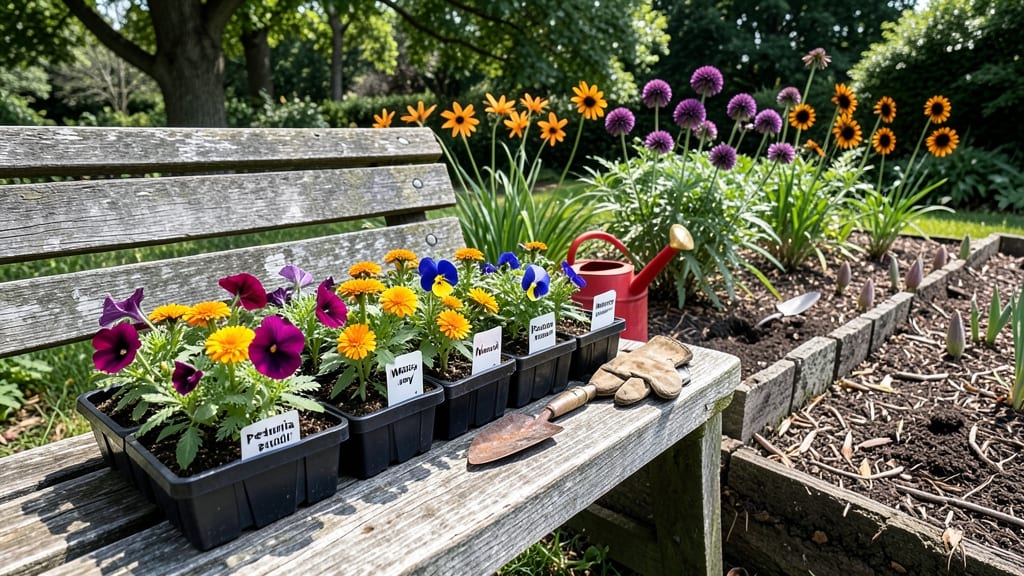
If you’ve ever wondered when to plant flowers in Zone 6 and watched your 🌸 blooms wilt before they even open, you’re not alone—getting the timing right can feel like a guessing game.
The difference between a thriving garden and a sad, frost-bitten disappointment often comes down to knowing exactly when to plant, down to the week.
Zone 6’s unpredictable frosts—ranging from mid-April to early May—make this the most important factor in your planting schedule.
Whether you’re dreaming of vibrant summer annuals or hardy perennials that return year after year, missing the window by even a few weeks can mean the difference between a showstopping display and a season of disappointment.
I’ve spent years tracking the perfect moments to tuck seeds into the soil, and what I’m about to share will help you avoid common mistakes—like planting heat-lovers too early or cool-season flowers too late. Let’s dive into the exact timeline you need to maximize blooms and minimize the guesswork.
From bulbs that need chilly soil to annuals that crave warmth, we’ll cover everything—so you can finally enjoy the garden of your dreams without the stress. Ready to transform your outdoor space?

Zone 6 last-frost dates by month: critical planting windows for annuals and perennials
Understanding your Zone 6 last-frost dates is the first step to avoiding frozen seedlings and maximizing bloom time.
In this zone, the average last frost typically falls between mid-April and early May, but this can vary by 1-2 weeks depending on whether you're in northern Zone 6a (e.g., Pittsburgh) or southern Zone 6b (e.g., Nashville).
For example, Pittsburgh’s last frost is often April 20-30, while Nashville sees frost-free conditions by April 10-20.
These dates separate your cool-season flowers (planted in early spring or fall) from warm-season bloomers (planted after Memorial Day). Missing these windows can mean stunted growth or missed seasons entirely. Let’s break down the critical months and what to plant when to ensure your garden thrives.
Zone 6 Planting Timeline by Month
| Month | Last Frost Date | Plant Cool-Season Flowers | Plant Warm-Season Flowers | Soil Temp Goal (°F) |
|---|---|---|---|---|
| March | Late March (Zone 6b) to Early April (Zone 6a) | Pansies, Snapdragons, Calendula | None (too early) | 40-50°F |
| April | Mid-April (Zone 6b) to Early May (Zone 6a) | Sweet Alyssum, Lettuce (edging), Dianthus | Start seeds indoors: Tomatoes, Peppers | 50-60°F |
| May | Late May (safest for all Zone 6) | None (transition to warm-season) | Zinnias, Marigolds, Petunias (after last frost) | 60-70°F |
| June | N/A (growing season) | Succession plant: Arugula, Radishes | Sunflowers, Cosmos, Basil (companion) | 70-80°F |
| September | First frost: Late October (Zone 6a) to Early November (Zone 6b) | Pansies, Sweet Peas, Calendula (fall blooms) | None (too late for warm-season) | 50-60°F |
| October | First frost: Mid-October (Zone 6a) to Early November (Zone 6b) | Dianthus, Stock, Snapdragons (hardy varieties) | N/A | 40-50°F |
*Adjust dates 1-2 weeks earlier for northern Zone 6a or later for southern Zone 6b.
Your last frost date isn’t just about avoiding frost—it’s also about soil temperature. Cool-season flowers like pansies and snapdragons thrive when soil is between 40-50°F, while warm-season favorites like zinnias and marigolds need 60°F+ to germinate.
Use a soil thermometer to confirm readiness, especially in microclimates like sheltered garden beds or low-lying areas where frost lingers.
For perennials, timing matters too. Plant day
Best flowers to plant in Zone 6 by season: a strategic timeline for year-round color
Zone 6 gardeners can enjoy continuous blooms by planting the right flowers at the right time. Spring brings cool-season champions like pansies and tulips, while summer thrives with heat-loving zinnias and marigolds. Let’s break down the best varieties for each season and how to keep your garden vibrant all year.
For spring planting, focus on hardy annuals and perennials that tolerate cooler temperatures. Pansies and violas can handle light frosts, while tulips and daffodils should be planted in fall for spring blooms. These early bloomers set the stage for your garden’s seasonal show.
🌸
🌿 Seasonal Flower Planting Guide for Zone 6
- • Pansies (March)
- • Tulips (Fall-planted)
- • Daffodils (Fall-planted)
- • Zinnias (May–June)
- • Marigolds (May–June)
- • Sunflowers (April–May)
- • Mums (August)
- • Asters (July–August)
- • Crocus (August–September)
- • Hellebores (Fall-planted)
- • Snowdrops (Fall-planted)
- • Winter Aconite (Fall-planted)
Summer is all about heat-tolerant annuals that thrive in Zone 6’s warmest months. Zinnias and marigolds are top picks—they bloom prolifically and attract pollinators. For extended color, try cosmos and sunflowers, which handle the heat while adding height and drama to your garden beds.
Fall planting opens doors for cool-season perennials like asters and mums. These varieties not only survive frost but also rebloom next year. Don’t forget to plant bulbs like crocus and tulips in late summer or early fall for stunning spring displays.
For winter interest, turn to evergreen flowers like hellebores and snowdrops. These hardy beauties provide color and texture when most gardens are dormant. Plant them in well-draining soil and partial shade to ensure they thrive through the coldest months.
To extend your blooming season, practice succession planting. Replace fading spring flowers with summer varieties, and follow up with fall bloomers. This keeps your garden looking fresh and vibrant from March through November.