
Flowers
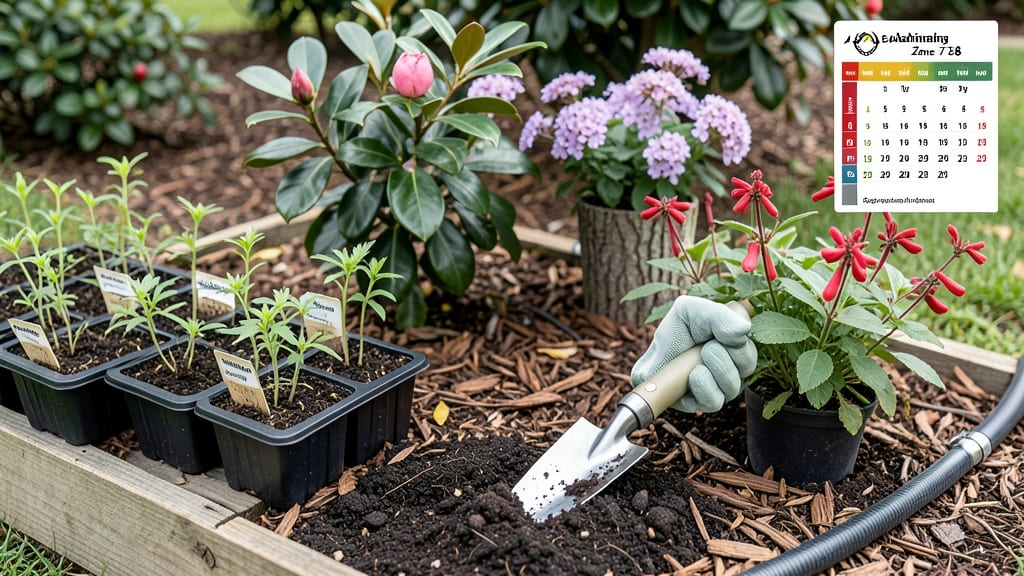
Timing your flower planting in Alabama can mean the difference between a garden bursting with color and one that struggles to take root. With USDA zones 7a-8b offering a long growing season, you’ve got a prime opportunity—but only if you plant at the right moment.
Most gardeners know spring is ideal, but the exact window matters. Planting too early risks frost damage, while waiting too long can leave you with wilting blooms by summer.
I’ll break down the perfect months for annuals, perennials, and bulbs, so you can avoid common mistakes and maximize your garden’s potential.
Whether you’re in Birmingham’s heat or Mobile’s humidity, microclimates play a huge role. You’ll discover how to adjust planting times for your specific zone, plus tips for container gardening and soil prep that keep your 🌸 flowers thriving all season long.
Ready to turn your Alabama garden into a blooming paradise? Let’s dive into the exact planting schedule—and heat-tolerant varieties—that will keep your flowers flourishing from spring to fall.
Alabama’s best planting months by flower type: heat-tolerant varieties & frost-free zones
Alabama’s USDA zones 7a-8b give gardeners a long growing season—but timing matters. The average last frost ranges from January in southern Alabama to mid-March in the north, while the first frost hits around mid-November. This means you can plant flowers year-round with the right varieties!
For spring blooms, focus on cool-season annuals like pansies and snapdragons. Summer heat-lovers such as lantana, salvia, and zinnias thrive when planted after April 15. Fall planting (August-October) lets you enjoy mums, asters, and marigolds until frost.
Bulbs like tulips and daffodils need 6-8 weeks before last frost—plant them in October-November. Perennials like black-eyed Susans and coneflowers can go in early spring or fall for year-round color.
| Flower Type | Best Planting Months | Heat Tolerance | Notes |
|---|---|---|---|
| Cool-Season Annuals | February-April | Low | Pansies, snapdragons, sweet alyssum |
| Heat-Tolerant Annuals | April-May, August-Sept | High | Lantana, salvia, zinnias, marigolds |
| Perennials | Early spring or fall | Medium | Coneflowers, black-eyed Susans, daylilies |
| Bulbs | October-November | Low | Tulips, daffodils, crocuses |
| Native Wildflowers | Spring or fall | High | Coreopsis, milkweed, purple coneflower |
Alabama’s humid summers demand heat-tolerant varieties. Lantana and salvia handle 90°F+ temps with ease, while zinnias bloom nonstop from June to frost. For container gardens, opt for petunias and geraniums—they thrive in urban heat islands.
If you’re in northern Alabama, wait until April 15 to plant tender annuals like impatiens. In southern Alabama, you can plant tomato plants (yes, they’re technically flowers!) as early as February for earlier harvests. Always check soil temperatures—60°F+ is ideal for most seeds.
For fall planting, focus on mums and asters by August 15. These cool-season bloomers will reward you with color until November. Mulch heavily (2-3 inches) to protect roots from early frosts.
Pro tip: Use shade cloth in peak summer to protect delicate blooms like hydrangeas. This extends their blooming season by 3-4 weeks in hotter zones.
Remember: Alabama’s clay soil drains poorly. Amend with compost or sand to prevent root rot in heavy rains. Water deeply once a week (more in summer heat) to encourage strong root systems.
With these timing tips, your Alabama garden will burst with color from spring to frost—no wilting dreams here! 🌸
How to adjust planting times for Alabama’s microclimates: north vs. south vs. urban heat islands
Alabama’s diverse climate means your planting schedule should shift based on whether you’re in North Alabama’s cooler valleys, South Alabama’s humid coast, or an urban heat island like Birmingham. Even a 50-mile difference can change your frost date by weeks—and your flower’s survival depends on it.
For example, Huntsville’s last frost often hits around March 15, while Mobile’s coastal warmth may see frost-free soil by January 30. Urban areas like Montgomery can be 10°F hotter than rural zones, forcing adjustments for heat-sensitive blooms like impatiens.
Here’s how to fine-tune your schedule for your specific microclimate—plus container gardening hacks for city dwellers where soil stays stubbornly cold.
If you’re in a container garden, urban heat can dry out soil twice as fast. I recommend using self-watering pots and planting drought-tolerant annuals like zinnias or portulaca, which thrive in Alabama’s summer heat without wilting.
For clay-heavy soils common in North Alabama, amend with compost before planting. In South Alabama’s humidity, improve drainage by mixing in perlite to prevent root rot in tropical blooms like hibiscus.
Pro tip: Use shade cloth in late spring to protect seedlings from scorching sun, especially in urban areas where pavement radiates heat. This extends your planting window by 2–3 weeks for heat-sensitive varieties.