
Flowers
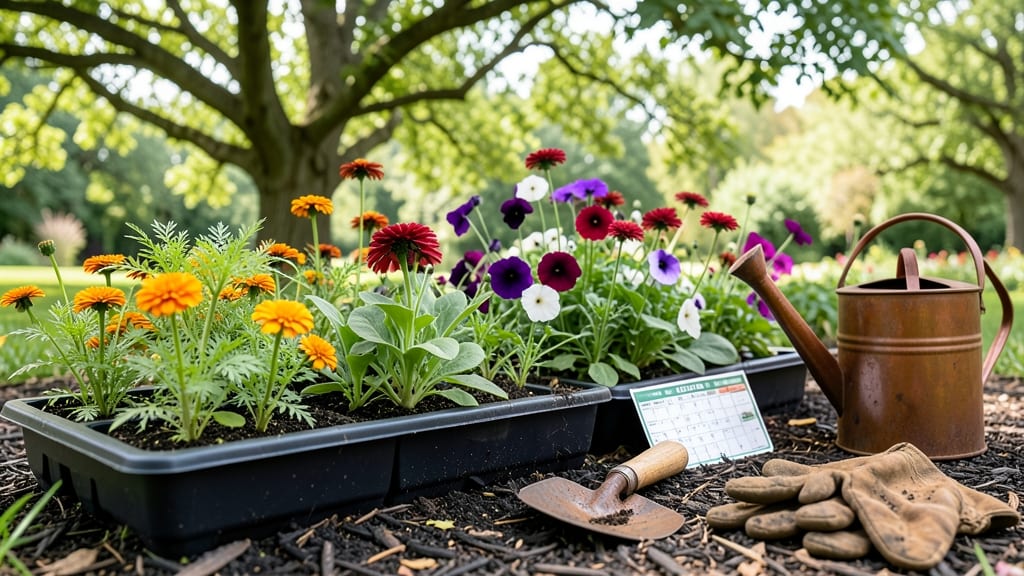
Knowing when to plant flowers in Zone 8 can mean the difference between a show-stopping garden and a season of missed blooms. With 240 frost-free days, you’ve got plenty of time—but timing still matters.
Plant too early, and tender annuals may bolt before summer’s heat; too late, and perennials won’t establish roots before winter’s chill. The key? Aligning your planting schedule with soil temperatures, seasonal shifts, and your local microclimate.
Whether you’re dreaming of spring bulbs popping up in March or fall perennials thriving until December, this guide breaks down the best months for every type of flower. We’ll cover everything from cool-season favorites like pansies to heat-loving zinnias, plus how to adjust for late frosts or coastal breezes.
No more guessing—just vibrant, long-lasting blooms all season long.
Ready to transform your garden? You’ll learn the exact month-by-month windows for planting, how to spot the ideal soil conditions, and which flowers can handle a little flexibility. Let’s get those 🌸 thriving in Zone 8’s perfect climate!
From February’s early starters to November’s late bloomers, we’ll tackle it all—so you can enjoy a garden that’s always in full bloom. No more wilting dreams or wasted seeds. Let’s make this your best growing season yet!

Zone 8 flower planting calendar: best months for annuals, perennials, and bulbs
Zone 8 gardeners have a long growing season—typically 240 frost-free days—but even here, timing matters. Planting annuals, perennials, and bulbs at the wrong time can mean wilting before blooms or missed seasonal color.
The key is understanding cool-season vs. warm-season flowers and when to start seeds or transplant.
In Zone 8, fall planting (September–November) is just as critical as spring (February–April). Cool-season flowers like pansies and snapdragons thrive when soil temps drop, while marigolds and zinnias wait for warmth. I’ll break it down by month so you can plan your year-round blooms without guesswork.
Pro Tip: Use your last frost date (around January 15) and first frost date (around December 15) as your guide. For bulbs, plant 6–8 weeks before frost, while seeds need 4–6 weeks to establish before warm weather arrives.
For annuals and perennials, direct sowing is best in spring (March–April) for warm-season lovers like zinnias and cosmos. These fast growers tolerate heat and bloom quickly, making them perfect for summer color.
If you miss the spring window, don’t worry—late summer (August) is your second chance for heat-tolerant annuals.
Perennials like black-eyed Susans and coneflowers can be planted year-round in Zone 8, but fall planting gives roots time to establish before summer heat. I’ve seen established perennials handle drought better because their root systems mature over winter.
If you’re in a cooler microclimate (like higher elevations in Zone 8), wait until after April 15 to plant warm-season flowers. Use a soil thermometer—wait until soil reaches 60°F (15°C)—to avoid seed rot. For frost-prone areas, cover young plants with frost cloth until danger passes.
Extend your blooming season by planting succession crops every 2–3 weeks in spring and late summer. This ensures continuous color from March through November
How to adjust planting times for Zone 8 microclimates and late frost risks
Zone 8’s mild winters still carry late frost risks, especially in mountainous areas or cooler microclimates. If you’ve ever planted spring flowers only to see them nipped by frost, you’re not alone. The key is understanding your local frost-free dates and adjusting planting windows accordingly.
For example, Atlanta’s average last frost date is March 15, while Los Angeles rarely sees frost at all. Even within a single city, neighborhoods can vary by 1-2 weeks in frost timing. Always check your local weather records or use a frost-free date calculator to fine-tune your schedule.
Soil temperature is another critical factor. Most cool-season flowers (like pansies or snapdragons) need soil temps between 45°F and 60°F to germinate. If your soil stays cold longer, wait until mid-March or even April for direct sowing.
⚠️ Late Frost Warning
Never plant frost-sensitive flowers (like impatiens or geraniums) before your final frost date. Use row covers or cold frames if you must plant early, but remove them once temps stabilize above 50°F.
Pro Tip: Monitor your local National Weather Service alerts for unexpected late frosts—they can happen even in Zone 8!
For warm-season flowers (like zinnias or sunflowers), the opposite is true. These thrive when soil temps reach 60°F+. In cooler microclimates, wait until mid-April or even May to avoid stunted growth. Start seeds indoors 4-6 weeks before your last frost date for a head start.
If you’re in a high-elevation area (like parts of Northern California or the Appalachians), consider extended-season varieties or heat-tolerant annuals like portulaca or lantana. These handle warmer soil temps better and can be planted 1-2 weeks later than standard flowers.
Finally, mulching and watering deeply can help protect early plantings. A 3-inch layer of mulch insulates roots and keeps soil temps stable. Pair this with consistent morning watering to reduce stress during temperature swings.
With these adjustments, you’ll avoid the heartbreak of frost-damaged blooms and maximize your Zone 8 flower season from spring to fall. 🌸