
Plants
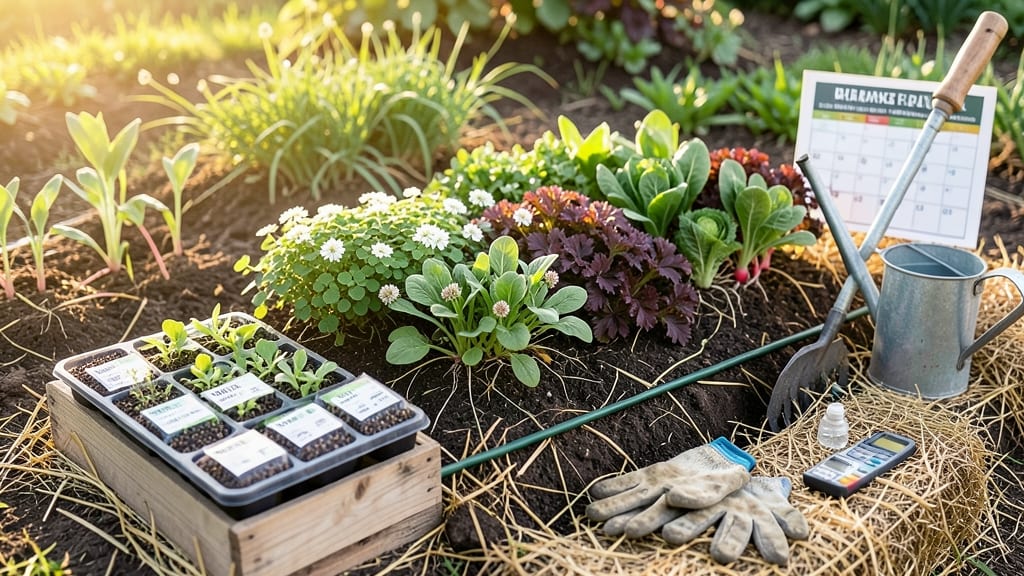
When to plant food plots in Alabama isn’t just about throwing seed on the ground—it’s the difference between a thriving deer magnet and a wasted investment. With Alabama’s humid climate and unpredictable springs, planting too early risks frost damage, while waiting too long means missing peak growth windows when bucks are most active.
I’ve spent years testing planting schedules across USDA Zones 7b-8a, and the spring window is your best bet for cool-season forages like clover and brassicas. But here’s the kicker: Alabama’s first frost can sneak up earlier than you think, so knowing your exact last frost date is non-negotiable.
Let me walk you through the precise schedule that works for Alabama’s unique microclimates.
Whether you’re planting chicory for summer browse or wheat for winter forage, the right timing ensures your food plots stay lush and deer-proof. We’ll cover soil prep, rainfall patterns, and how to adjust for early springs or late frosts—so you can turn your property into a year-round hunting hotspot.
Ready to stop guessing and start growing? Let’s dive into the exact planting calendar that’ll give you the edge this hunting season.
Alabama food plot planting calendar by season: exact months for USDA Zones 7b-8a
Alabama’s USDA Zones 7b-8a offer a 60- to 90-day growing window for food plots, but timing varies dramatically between cool-season and warm-season forages. In my experience, planting at the wrong time means poor germination or forage that bolts before deer can enjoy it.
Let’s break down the optimal planting windows for each season, including soil temperature triggers and Alabama-specific adjustments.
For cool-season forages like clover, brassicas, and wheat, the ideal planting window is late summer to early fall (August through September). This gives seedlings time to establish roots before winter, then burst into growth in early spring when deer are most active.
In Zone 7b, aim for soil temperatures below 80°F—warmer soils can cause seed dormancy or uneven sprouting.
Warm-season forages such as sorghum-sudangrass, millet, and cowpeas thrive when planted in late spring to early summer (April through May). These high-protein crops need consistent soil temps above 60°F to germinate reliably.
In Zone 8a, where springs arrive earlier, you can push planting to mid-April without risking frost damage.
Here’s a quick reference for Alabama’s frost-free periods:
- Average last frost: Mid-March (varies by region)
- Average first frost: Mid-November (earlier in higher elevations)
- Critical adjustment: Plant 4-6 weeks before your local frost date for cool-season crops.
| Season | Planting Window | Soil Temp Trigger | Forage Types | Deer Browsing Window |
|---|---|---|---|---|
| Late Summer | August - September | Below 80°F | Clover, Brassicas, Wheat | Spring (March-May) |
| Early Fall | September - October | 55-65°F | Rye, Oats, Winter Peas | Fall (October-November) |
| Late Spring | April - May | Above 60°F | Sorghum, Millet, Cowpeas | Summer (June-August) |
| Early Summer | May - June | 70-80°F | Sunflower, Amaranth | Late Summer (August-September) |
🌱 Pro Tip: Use a soil thermometer to confirm temps before planting—this avoids costly mistakes!
Alabama’s humidity and rainfall also play a role. In Zone 7b, where springs can be wet and cool, delay planting until the soil dries out slightly—typically by mid-April.
In Zone 8a, where summers arrive early, plant warm-season forages by late March to maximize growth before monsoon rains hit in June.
One mistake I see often is planting too late in fall for cool-season crops. If you miss the September window, seedlings may not establish before winter, leading to weak stands that deer can easily trample.
Aim to have 4-6 weeks of growth before the first frost—this ensures a thick, palatable mat by spring.
For year-round forage, I recommend a 3-phase planting strategy:
- Late summer (August): Plant clover and brassicas for spring browse.
- Early fall (September): Add rye and winter peas for fall/winter food.
- Late spring (April): Sow sorghum and millet for summer forage.
In my 10+ years of managing food plots in Alabama, the single biggest factor in success isn’t just the planting date—it’s soil preparation. Test your soil’s pH (ideal: 6.0-7.0) and amend with lime or sulfur as needed before planting.
This ensures optimal nutrient uptake and faster germination, especially in Alabama’s clay-heavy soils.
Finally, always check local hunting regulations—some areas restrict <
Critical factors that determine your planting success in Alabama’s climate
Alabama’s humid subtropical climate means your food plot success hinges on timing soil temperatures and understanding local microclimates. Cool-season forages like clover and brassicas need soil temps between 50-65°F for germination, while warm-season crops like sorghum thrive when soil hits 65-75°F.
Planting too early risks frost damage, and waiting too long means wasted seed.
Your soil pH (ideal: 6.0-7.0) directly impacts nutrient uptake. Test before planting—Alabama’s acidic soils often need lime applications. Deer browsing pressure also dictates timing; plant high-protein crops like chicory in late summer to avoid spring overgrazing when bucks are most active.
Rainfall patterns are another game-changer. Alabama averages 50-60 inches annually, but droughts can strike. Plant cool-season crops after first rains in September or March to ensure moisture. Warm-season plots need consistent irrigation during summer’s dry spells—don’t skip this step or your plot will struggle.
Humidity levels (often 70-80%) create ideal conditions for fungal diseases like powdery mildew. Space plants properly and avoid overhead watering. Late frosts (common in USDA Zone 7b) can delay spring plantings—monitor forecasts and have backup dates ready.
Adjust for microclimates: North-facing slopes stay cooler longer, while south-facing areas warm faster. Plant warm-season crops on south slopes 2-3 weeks earlier than north-facing plots. Elevation changes also matter—higher areas (like Appalachian foothills) have cooler soils and may need delayed plantings.
Don’t ignore deer browsing pressure. Plant fast-growing brassicas in late summer to provide forage when rutting season peaks. Stagger plantings to ensure year-round food availability, even during Alabama’s mild winters when other forage is scarce.
Use a soil thermometer to confirm planting readiness—this simple tool prevents costly mistakes. Spring plantings should happen when soil stays above 55°F for 5+ days, while fall plantings need 60°F+ soil temps for warm-season crops. Patience pays off—rushing leads to poor stands.
⚠️ Critical Warning: Avoid These Timing Mistakes
- Planting clover before soil warms to 50°F—seeds rot in cold, wet conditions.
- Skipping soil tests—Alabama’s acidic soils need lime (apply 6-8 weeks before planting).
- Ignoring rainfall forecasts—plant warm-season crops only after 1+ inch of rain.
- Overlooking deer pressure—plant high-protein plots when bucks are least active (late summer).
Pro Tip: Use mulch after planting to retain moisture in Alabama’s hot, dry summers.
Alabama’s variable climate demands flexibility. Keep a planting journal to track what works on your land—note frost dates, rainfall patterns, and deer activity. Over time, you’ll refine your schedule to maximize forage production and minimize losses.