
Plants
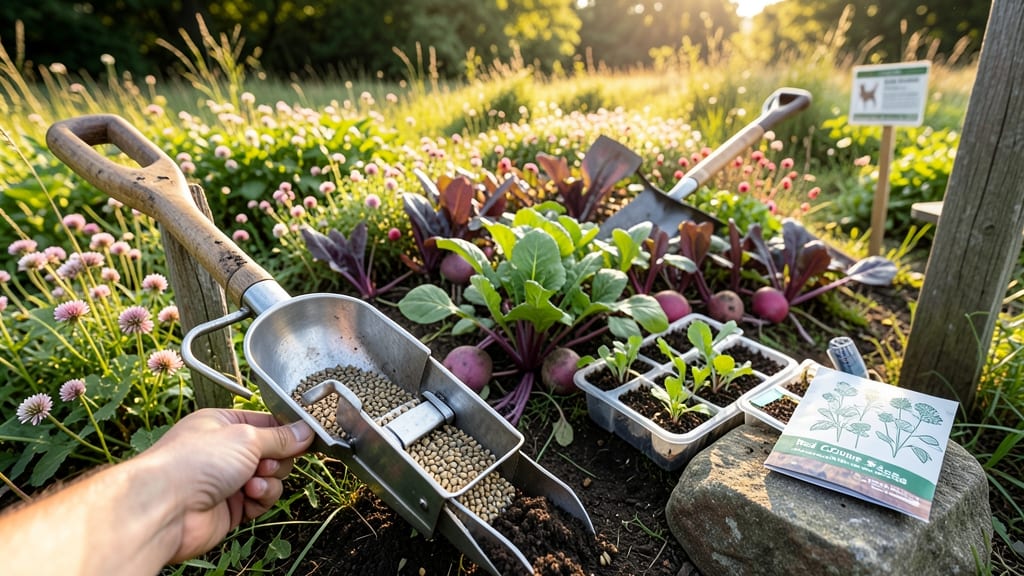
Planting food plots in Texas at the wrong time can turn your investment into a sad, bolted mess instead of a deer hunter’s dream.
The difference between a thriving 🌾 plot and one that fizzles out comes down to knowing exactly when to drop those seeds—whether you’re in North Texas’s chilly 8a or South Texas’s balmy 10b.
Most gardeners assume "spring" means March, but Texas’s erratic climate demands precision.
Warm-season crops like sorghum and millet need to hit the ground by late August to avoid wilting in summer’s brutal heat, while cool-season brassicas and clover thrive when planted in fall or early spring—just before the last frost (which hits November 15 in North Texas but January 15 in the Panhandle).
Here’s where it gets tricky: aligning your planting with deer hunting seasons, drought cycles, and soil moisture.
Skip the guesswork and I’ll walk you through the exact windows for each crop—plus how to tweak timing based on your microclimate—so you’re not left with a patch of weeds when bucks are browsing.
Ready to turn your food plots into a year-round buffet? Let’s dive into the science-backed calendar that’ll keep your forage lush, protein-packed, and bolt-free—no matter where you are in the Lone Star State.
Texas USDA zone planting deadlines for food plots by variety
Texas’s diverse USDA zones (6A-9B) create a challenge for food plot timing—plant too early, and you risk bolt-resistant crops shooting up seeds before deer can enjoy them. Plant too late, and you miss peak growth windows. The key? Aligning your planting with last-frost dates and Texas’s unpredictable heat spikes.
In North Texas (6A-7B), where frost can linger until mid-December, cool-season crops like clover and brassicas need to be sown by September 15 to establish roots before winter. Meanwhile, South Texas (9A-10B) gardeners can plant warm-season crops like sorghum as late as March 1 without frost worries.
Here’s your zone-specific planting calendar to avoid bolting and maximize forage:
🌾 Texas Food Plot Planting Deadlines by USDA Zone
| USDA Zone | Last Frost Date | Cool-Season Planting Window | Warm-Season Planting Window | Key Crops |
|---|---|---|---|---|
| 6A-7B (North Texas) | Dec 15 - Jan 15 | Aug 15 - Sep 30 | Mar 15 - Apr 30 | Clover, Rye, Brassicas, Winter Peas |
| 8A-8B (Central Texas) | Jan 15 - Feb 15 | Sep 1 - Oct 15 | Apr 1 - May 15 | Chicory, Turnips, Sorghum, Millet |
| 9A-10B (South Texas) | Feb 15 - No Frost | Sep 15 - Nov 1 | Mar 1 - Apr 15 | Cowpeas, Sunflowers, Amaranth, Teff |
⚠️ Pro Tip: Use a soil thermometer—plant when soil temps hit 50°F for cool-season crops or 60°F for warm-season crops.
For brassicas like turnips, aim to plant 6-8 weeks before your first frost—this ensures they’re leafy and palatable by hunting season. In Central Texas (8A-8B), that means September 1 plantings for a November harvest.
Warm-season crops like sorghum and millet thrive when planted after the last frost. In North Texas (6A-7B), wait until mid-April to avoid late-spring freezes that can stunt growth. South Texas gardeners have more flexibility, but planting too late risks bolt-resistant varieties flowering before deer can graze.
Texas’s erratic rainfall patterns add another layer—always test soil moisture before planting. A drought-tolerant mix like chicory and clover can handle dry spells, but brassicas need consistent moisture to avoid bitter flavors.
Stagger your plantings by 2-3 weeks to create a continuous forage supply. For example, plant half your clover in September and the rest in October—this ensures year-round greenery for deer, even during Texas’s unpredictable winters.
If you’re in Zone 9A-10B, don’t overlook summer annuals like cowpeas, which thrive in 90°F+ heat and provide high-protein forage when other crops bolt. Plant these in late spring for a fall harvest.
Finally, monitor local weather forecasts—Texas’s sudden cold snaps (even in South Texas) can damage tender seedlings. Use row covers or shade cloth to protect young plants from unexpected frost.
Best food plot crops for Texas seasons: cool vs. warm-summer planting strategies
Texas’s unpredictable climate demands a strategic crop rotation to keep deer feeding year-round. Cool-season crops like clover and brassicas thrive in fall and spring, while warm-season favorites such as sorghum and chicory dominate summer. The key? Staggered plantings to avoid gaps in forage.
For cool-season crops, aim for September-October or February-March plantings. These hardy annuals handle Texas’s chilly winters and provide high-protein forage when deer need it most. Brassicas like turnips and radishes grow quickly, while clovers establish deeper roots for long-term nutrition.
Warm-season crops, however, need soil temps above 60°F to germinate. Sorghum and millet planted in May-June offer summer shade and late-season forage before frost. Chicory and sunflowers are drought-tolerant choices that extend the season into fall.
Cool-Season Crops
- Thrives in cooler temps (50-70°F)
- High-protein forage for deer
- Establishes deep roots for drought resilience
- Can bolt in heat if planted too early
- Requires consistent moisture during establishment
- Limited summer growth
Warm-Season Crops
- Grows in hot, dry conditions (70-95°F)
- Drought-tolerant varieties available
- Provides late-season forage before frost
- Needs warm soil to germinate
- Can overwhelm cooler months
- Some varieties attract pests like deer flies
To bridge the gap between seasons, I recommend overlapping plantings. For example, sow winter peas in late September and sorghum in early June. This ensures continuous forage while minimizing competition for resources.
Texas’s variable rainfall adds another layer. In dry years, prioritize drought-resistant crops like chicory or indian grass. In wet years, focus on fast-growing brassicas to capitalize on moisture. Always test soil moisture before planting—dry soil can delay germination by weeks.
Pro tip: Use shade cloth for early cool-season plantings in summer heat to prevent seedling stress. A 30% shade cloth can buy you 2-3 extra weeks of viable planting time in North Texas before temperatures become lethal.