
Trees
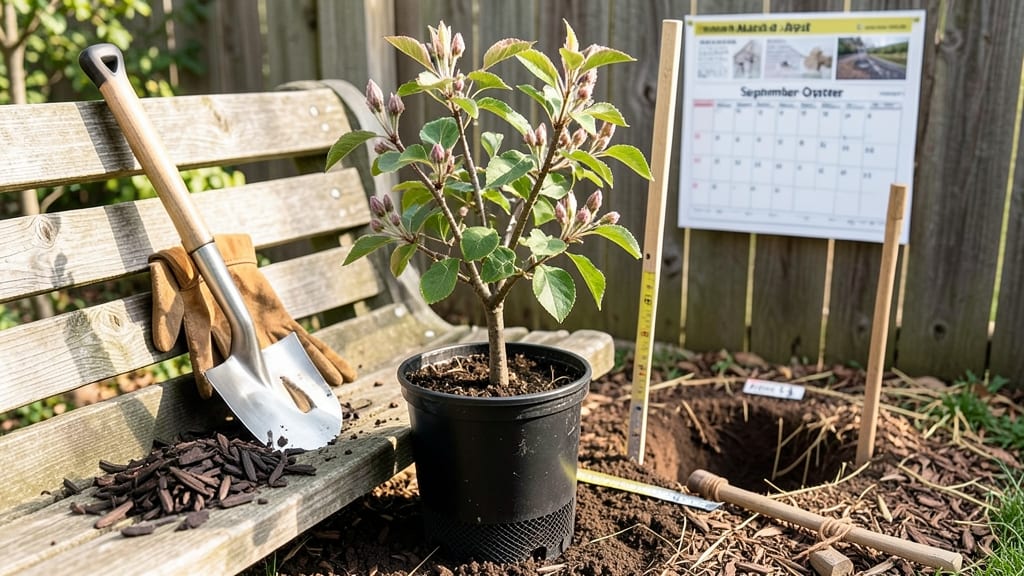
Timing your fruit tree planting in BC could mean the difference between a thriving orchard and years of disappointment—especially when chill-hour needs clash with the region’s unpredictable climate.
Whether you're in Vancouver’s mild coastal zone or the Okanagan’s hotter interior, getting the season right ensures your trees bloom reliably and bear fruit. I’ve helped BC gardeners avoid costly mistakes by matching varieties to local frost patterns and soil conditions, and I’ll share those proven strategies with you.
The key is understanding how chill hours—those critical winter cold periods—affect different fruit types. Apples and cherries need 500-1,000 hours below 7°C (45°F), while peaches thrive with fewer. Planting too early risks frost damage, but waiting too long can stunt root growth.
I’ll walk you through the ideal spring planting window for your specific zone, plus how to prep soil for BC’s diverse climates—whether you’re dealing with heavy clay or sandy coastal soil.
What most BC gardeners overlook? Microclimates. A single street can shift frost dates by 2 weeks, and wind exposure matters just as much as temperature. I’ll show you how to spot these hidden factors in your yard and adjust your planting plan accordingly.
With the right timing and variety selection, you’ll be harvesting homegrown fruit in just a few years—not waiting a decade for a tree to finally bear.
Ready to turn your backyard into a productive orchard? Let’s dive into the exact planting schedule, soil prep secrets, and variety recommendations that work for BC’s unique growing conditions. Your first successful harvest starts with these simple but powerful steps.
BC fruit tree planting calendar: chill-hour zones and best months by variety
British Columbia’s diverse climate—from Vancouver’s mild coastal winters to the Okanagan’s cold interior zones—means chill-hour requirements dictate when to plant fruit trees. Most varieties need 300–1,000 chill hours below 7°C (45°F) to bloom reliably.
Planting at the wrong time can lead to poor fruit set or no harvest at all.
For coastal BC (Zones 7–9), where winters are mild, focus on low-chill varieties like 'Anna' apples or 'Starking Delicious' peaches. In interior BC (Zones 4–6), high-chill varieties such as 'Gala' apples or 'Lapins' cherries thrive. Always check the USDA Zone map for your exact location.
Spring is the ideal planting window for bare-root trees, but fall planting works too if done 4–6 weeks before frost. Container-grown trees can be planted year-round, but late winter/early spring (February–March) gives roots time to establish before summer heat.
Timing also depends on the fruit tree type. Stone fruits like peaches and cherries need 500+ chill hours and should be planted in Zone 5 or colder. Pears and apples are more chill-hour flexible, making them better for Zone 6–9 areas.
| Variety | Chill Hours | Best Planting Month | BC Zone Fit |
|---|---|---|---|
| Apple ('Liberty') | 300–500 | March–April | 5–9 |
| Cherry ('Stella') | 600–900 | February–March | 4–7 |
| Peach ('Reliance') | 400–600 | March–April | 5–8 |
| Pear ('Seckel') | 300–500 | March–April | 6–9 |
| Plum ('Stanley') | 500–800 | February–March | 4–8 |
If you’re in Zone 4–5 (Kelowna, Okanagan), prioritize high-chill varieties like 'Harvest Queen' apples or 'Montmorency' cherries. For Zone 8–9 (Vancouver Island), opt for low-chill varieties such as 'Anna' apples or 'Redhaven' peaches to avoid bloom failure.
For container-grown trees, plant in late winter (February) to give roots time to establish before summer. Avoid planting in extreme heat or frost, as both stress young trees. Always water deeply after planting to encourage root growth.
Pro tip: Use mulch around the base to retain moisture and regulate soil temperature. This is especially critical in dry interior zones like the Okanagan, where summer evaporation can stress young trees.
Remember, soil temperature matters. Wait until the ground warms to 10°C (50°F) before planting—use a soil thermometer if unsure. Coastal areas may plant 1–2 weeks earlier than interior zones due to milder winters.
Finally, consider pollination needs. Many fruit trees require a second variety for cross-pollination. Plant compatible pairs within 100 feet
How to match fruit tree varieties to BC’s microclimates for maximum success
British Columbia’s diverse climate—from Vancouver’s mild coastal winters to the Okanagan’s hot summers—means not all fruit trees thrive equally. The key to success lies in selecting chill-hardy varieties that match your local microclimate and adjusting planting timing accordingly.
For example, Zone 5 gardeners (like those in Kamloops) should prioritize 'Liberty' apples, while Zone 7 areas (e.g., Victoria) can grow 'Starking Delicious' without risking winter dieback.
Coastal BC’s milder winters (fewer than 500 chill hours) demand low-chill varieties like peaches or nectarines, whereas the Interior’s cold snaps (up to 1,200 chill hours) support hardy apples and cherries.
Even within cities, microclimates vary: South-facing slopes warm up faster in spring, while valleys hold frost longer. Always check your last frost date—Vancouver averages mid-April, but the Okanagan can see frost into May.
🌱 Variety Matching Guide
BC Microclimates| Variety | Chill Hours | Best BC Zone | Planting Window |
|---|---|---|---|
| Liberty Apple | 300–500 | 4–6 | Late April–May |
| Starking Delicious | 800–1,000 | 6–8 | Early April–late April |
| Redhaven Cherry | 900–1,200 | 5–7 | Late March–April |
| Sanguinelle Peach | 200–400 | 7–9 | May–June |
*Chill hours = # of hours below 7°C (45°F) needed for flowering.
For clay-heavy soils common in BC’s Interior, amend with compost and sand to improve drainage—root rot is a silent killer for newly planted trees. In coastal areas, windbreaks (like evergreen hedges) protect delicate blossoms from salty ocean winds, which can stunt growth.
Always plant 1–2 inches deeper than the root flare to prevent stem rot, a common issue in BC’s damp winters.
If you’re unsure about your chill hours, use a chill-hour calculator (like the one from BC Ministry of Agriculture) or ask local nurseries—they often stock region-specific rootstocks. For example, 'Malling 9' rootstock thrives in Zone 5–6, while 'Malling 26' suits Zone 7–8.
Container-grown trees can be planted anytime soil isn’t frozen, but bare-root varieties need dormant-season planting (November–March) to establish roots before spring growth.
Pro tip: Label your trees with variety names and planting dates—BC’s variable weather can make it hard to track which tree bloomed first! Mulch with wood chips (not fresh sawdust) to retain moisture and regulate soil temperature.
With the right variety and timing, your fruit tree will reward you with decades of harvests, even in BC’s tricky climate. 🌳