
Trees
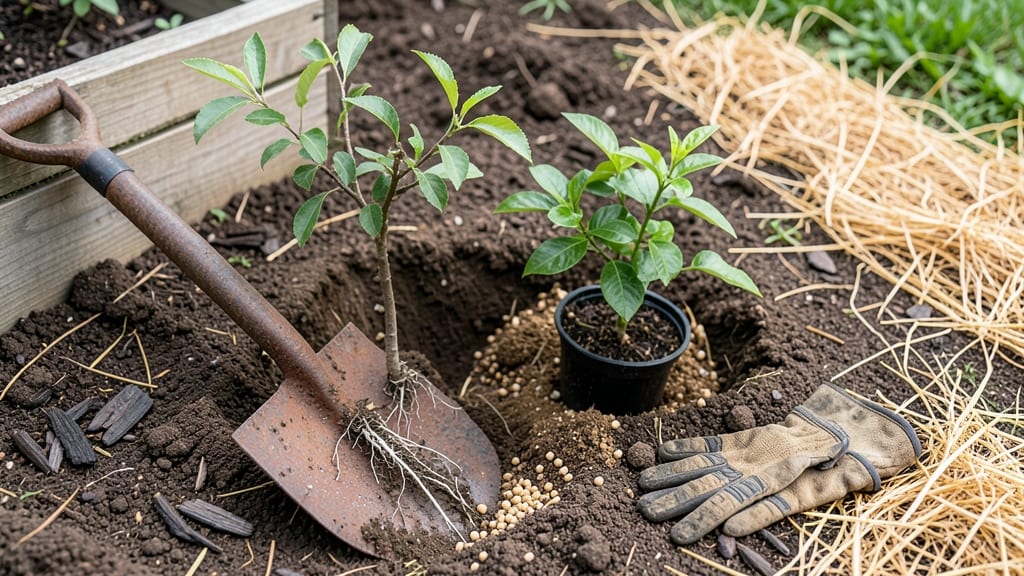
Timing your fruit tree 🍎 planting in Zone 8b isn’t just about following a calendar—it’s about avoiding heat stress and giving young roots the best chance to establish before summer hits.
The wrong window could mean struggling trees or even failure, but get it right, and you’ll set the stage for years of bountiful harvests.
Most gardeners in Zone 8b know the basics: late winter to early spring is the sweet spot. But here’s the catch—some varieties like peaches and plums need cooler soil temperatures, while heat-lovers like figs and pomegranates can handle slightly warmer conditions.
I’ll break down exactly when to plant each type and why timing matters so much.
Beyond the calendar, soil prep is your secret weapon. Zone 8b’s clay-heavy soils can be tricky, and proper preparation months before planting makes all the difference. We’ll cover the 3-month timeline for amending soil, improving drainage, and creating the ideal environment for your new trees.
Ready to plant with confidence? Let’s dive into the exact schedule, common mistakes to avoid, and how to choose the best varieties for your Zone 8b microclimate—so your fruit trees thrive from day one.

Best planting windows for fruit trees in Zone 8b (by variety)
Zone 8b’s mild winters and hot summers create a unique challenge for fruit tree planting. Unlike colder zones, you can’t rely on a long dormancy period—timing matters to avoid heat stress in young trees while ensuring root establishment before summer’s intensity.
Most stone fruits (peaches, plums) and tropical/subtropical varieties (figs, pomegranates) thrive when planted in late winter to early spring, but exceptions exist.
For dormant-season planters like peaches and plums, aim for February to early March. This gives roots time to establish before the 100°F+ heat arrives. Meanwhile, heat-tolerant varieties such as figs and pomegranates can handle spring planting (March–April), even if soil is still warm.
The key is soil temperature—wait until it reaches 60°F+ for most varieties.
| Variety | Optimal Planting Window | Soil Temp Requirement | Key Consideration |
|---|---|---|---|
| Peaches/Plums | Late Feb–Early March | 55–60°F | Avoid early planting (heat shock risk) |
| Figs | March–April | 60–65°F | Heat-tolerant; plant after last frost |
| Pomegranates | March–Early April | 65–70°F | Drought-resistant; avoid waterlogged soil |
| Persimmons | Late Feb–March | 50–55°F | Cold-hardy; plant before bud break |
| Citrus (e.g., Meyer Lemon) | Spring (March–April) | 65–70°F | Container-friendly; protect from frost |
If you miss the primary window, some varieties (like figs) tolerate late spring planting (May), but expect slower initial growth. Citrus trees are the most flexible—they can even be planted in early summer if given extra shade and consistent watering.
However, peaches and plums planted after March risk heat stress, causing leaf scorch and poor root development.
Another critical factor is microclimates. In Zone 8b, urban areas (like Phoenix or San Diego) stay warmer longer than rural zones. If your yard is near pavement or buildings, delay planting by 1–2 weeks to avoid premature stress.
Conversely, elevated or windy areas cool faster—plant 2 weeks earlier to align with soil warming.
For bare-root trees (common in nurseries), plant as soon as you receive them—roots dry out quickly in Zone 8b’s low humidity. Soak roots for 1–2 hours before planting to jumpstart establishment.
If you’re using container-grown trees, the timing is less critical, but still aim for early spring to minimize transplant shock.
Pro tip: Use a soil thermometer to monitor temperatures. Most fruit trees need 50–60°F soil for root growth. If your soil heats up faster (common in dark, clay-heavy soils), mulch with 3–4 inches of wood chips to regulate temperature and retain moisture.
This simple step can extend your planting window by 2–3 weeks.
Finally, consider dwarf or semi-dwarf varieties for Zone 8b—they establish faster and handle heat better than standard-sized trees. For example, a dwarf peach tree might recover from a 1–2 week delay in planting, while a full-sized tree could struggle.
Always check the rootstock type when selecting trees—some are bred specifically for heat tolerance.
Timing your fruit tree planting in Zone 8b isn’t
Soil preparation timeline: 3 months before planting fruit trees
Zone 8b’s clay-heavy soils can be a double-edged sword—retaining too much moisture in winter and baking hard in summer. That’s why I start soil prep 3 months before planting, typically in December through February.
This gives organic matter time to break down and improves drainage, which is critical for young fruit tree roots.
First, test your soil’s pH level (aim for 6.0–7.0 for most fruit trees). If it’s too acidic or alkaline, amend it with lime or sulfur. My go-to is a simple home test kit—it’s cheap and saves you from guessing.
Once you know the pH, you can adjust it gradually over the winter months.
Next, focus on organic amendments like compost or well-rotted manure. Work these into the top 12–18 inches of soil, mixing them thoroughly. I like to use a broadfork to loosen compacted layers without disturbing the soil structure too much. This step mimics nature and encourages root growth.
🌱 Key Takeaway
Zone 8b Tip: Avoid fresh manure—it can burn roots. Use aged compost or leaf mold instead for a gentle boost.
In the final month before planting, add a 2–3 inch layer of mulch around the planting area (but not touching the trunk). I prefer wood chips or straw because they break down slowly and improve soil structure over time.
Mulch also helps regulate soil temperature, which is a game-changer in Zone 8b’s fluctuating climate.
Don’t forget to mark your planting spots with stakes or flags. This prevents you from digging in the wrong place later. I also like to sketch a simple layout of where each tree will go—it’s easier to visualize and ensures proper spacing for mature growth.
Finally, water the amended soil deeply 1–2 weeks before planting. This helps settle the soil and removes air pockets, giving your tree’s roots a head start. Aim for 1–2 inches of water per week during this period to keep the soil moist but not soggy.
With this timeline, your soil will be fertile, well-draining, and ready for planting day. The key is patience—rushing this step can lead to poor root establishment and stunted growth down the road. Trust me, your trees will thank you for the prep work!