
Trees
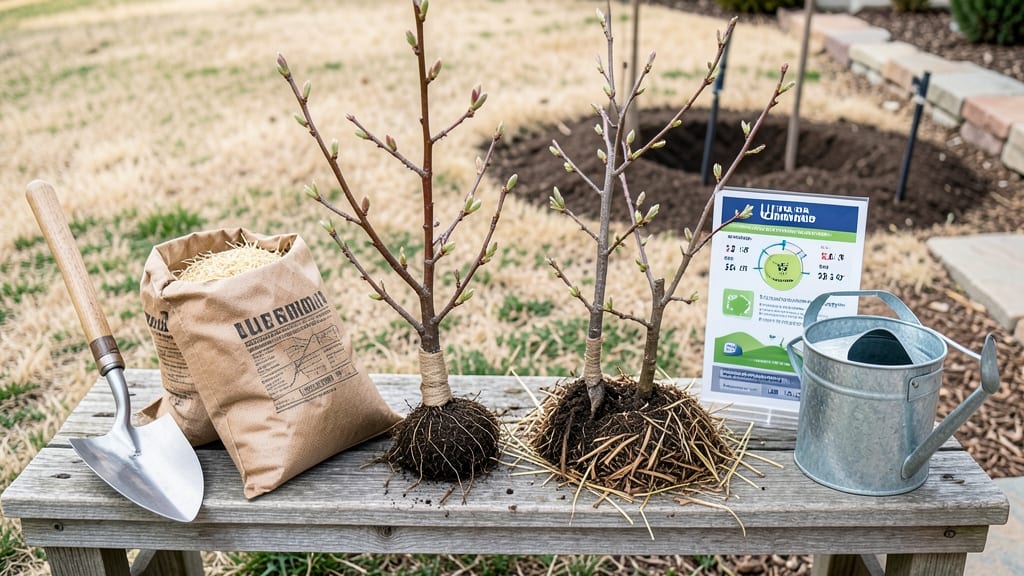
Timing your fruit tree planting in Utah can mean the difference between a thriving orchard and a sad, stunted 🌱. With three distinct microclimates—from the arid high desert to the cooler mountain foothills—getting the window right is everything.
Most gardeners assume spring is the only option, but Utah’s unique frost patterns and soil temperatures actually make fall planting the smarter choice in many zones. I’ll break down exactly when to plant in your specific area, so you avoid frost damage and give roots a head start.
Whether you’re growing apples in the Wasatch Front or peaches in southern Utah, the key is understanding your local frost dates and soil warmth. Let’s dive into the best planting strategies for Utah’s diverse growing conditions.
You’ll discover how to prep your soil, choose the right varieties for your zone, and protect your young trees from Utah’s notorious dry winds. Ready to grow fruit trees that actually thrive?
Utah’s best planting months by microclimate zone: high desert vs. Mountain Regions
Utah’s three distinct microclimates—High Desert, Mountain Foothills, and Cold Mountain Regions—dictate the best time to plant fruit trees. Each zone has unique soil temperatures, frost risks, and ideal planting windows.
Ignoring these differences can lead to poor root establishment or winter damage. Let’s break down the optimal timing for each zone, including popular varieties like apples, peaches, and cherries.
For High Desert regions (e.g., St. George or Southern Utah), the best time to plant is late winter to early spring, typically between February and March.
These areas experience warmer soil temperatures earlier, allowing roots to establish before summer heat arrives. Varieties like peach trees and apricots thrive here when planted during this window.
In Mountain Foothills (e.g., Salt Lake Valley or Provo), aim for mid to late spring, around April to May. This timing avoids late frosts while ensuring soil is workable. Apple trees and cherries do well here, provided you choose cold-hardy varieties suited for USDA Zones 5-7.
For Cold Mountain Regions (e.g., Park City or Ogden Valley), plant in early summer, specifically June to early July.
This gives young trees time to establish roots before the first frost, which can arrive as early as October. Sour cherries and plums are excellent choices for these cooler areas.
Here’s a quick comparison to help you decide:
When selecting varieties, prioritize those bred for Utah’s short growing seasons and dry conditions. For example, ‘Honeycrisp’ apples perform well in foothills, while ‘Redhaven peaches’ thrive in the desert. Always check the chilling hour requirements—most Utah varieties need 300–800 hours below 45°F annually.
Another critical factor is soil moisture during the first 60 days after planting. In Utah’s dry climate, young trees rely on consistent watering to establish roots. Use drip irrigation or soaker hoses to deliver water directly to the root zone, avoiding surface evaporation.
Mulch with wood chips or straw to retain moisture and regulate soil temperature.
For fall planting, which is less common but effective in milder zones like Southern Utah, aim for September to October. This allows roots to grow before winter dormancy.
However, avoid planting too close to frost dates, as young trees may not survive. Monitor local USU Extension frost forecasts to time your planting perfectly.
Pro tip: If you’re unsure about your microclimate, use the Utah State Climate Center’s frost maps to pinpoint your last frost date. This tool is invaluable for planning your planting window and avoiding frost damage.
For example, Park City averages its last frost around May 15, while St. George rarely sees frost after November 1.
Finally, consider container planting for urban areas or microclimates with limited space. Containers warm up faster in spring, giving you a longer planting window. Just ensure the container has adequate drainage and use a high-quality potting mix to prevent compaction.
By aligning your planting schedule with Utah’s microclimates, you’ll give your fruit trees the best chance to thrive—leading to healthier growth, higher yields, and longer lifespan. 🌱
How to prepare Utah’s soil for fruit tree planting: amendments and timing hacks
Utah’s alkaline soils and dry conditions demand special prep before planting fruit trees. The key is to amend soil 60 days before planting—whether in fall or spring—to give roots time to establish.
I’ve learned the hard way that skipping this step leads to poor drainage and nutrient deficiencies, even with drought-resistant varieties.
Start by testing your soil’s pH level (aim for 6.0–7.0 for most fruit trees). Utah’s natural alkalinity often pushes pH too high, so you’ll likely need to add sulfur or peat moss.
For my apple trees in Salt Lake City, I mix in 2–3 inches of composted manure or well-rotted leaves to boost organic matter.
Here’s my step-by-step soil prep timeline for Utah gardeners:
- Fall (Sept–Oct): Test soil pH, amend with sulfur if needed, and till in compost. Best for fall planting.
- Winter: Let amendments settle; avoid disturbing soil. Nature does the work!
- Spring (April–May): Loosen soil 12–18 inches deep, add mulch, and plant. Critical for spring planting.
- Post-Planting: Water deeply to settle soil and encourage root growth. Never skip this!
For high-desert areas, I swear by drip irrigation during the first 60 days to prevent soil from drying out too quickly. In mountain foothills, where soils stay cooler, I focus on adding well-draining amendments like perlite or coarse sand to avoid waterlogging.
Protect young trees from Utah’s dry winds by installing a windbreak (like a temporary fence or evergreen hedge) and applying a 3-inch layer of organic mulch. This retains moisture and regulates soil temperature—critical for root development in our extreme climate.
Remember: Soil prep isn’t a one-time task. Re-test soil annually and re-amend as needed. With the right foundation, your fruit trees will thrive even in Utah’s challenging conditions. 🌿