
Trees
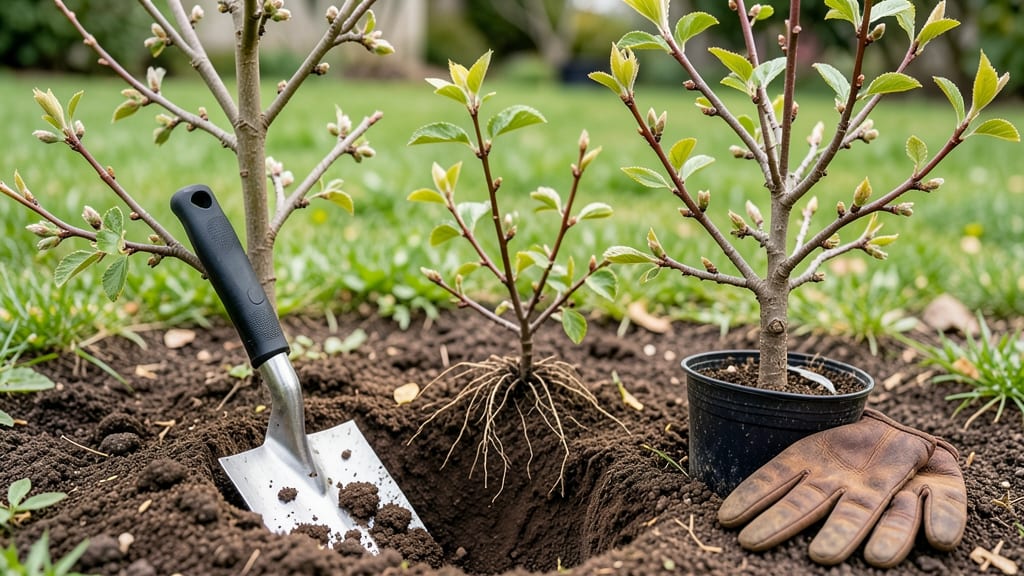
Timing is everything when it comes to planting fruit trees in Illinois—get it wrong, and you risk stunted growth or even losing your investment. With USDA Zones 5-6 and unpredictable frost patterns, knowing the perfect window can mean the difference between a thriving orchard and a sad, struggling sapling.
Most gardeners in Illinois swear by early spring or fall as the ideal planting seasons, but there’s more to it than just picking a month.
Chill hours—those critical winter cold snaps that trigger fruit production—vary wildly across the state, and your choice of tree (apples, peaches, or cherries) will dictate when you can safely dig in the soil.
Whether you’re planting bare-root trees in March or container-grown varieties in October, I’ll walk you through the exact steps to avoid common pitfalls.
From soil prep to frost-free timelines, you’ll learn how to give your 🍎 fruit trees the best possible start—so you can enjoy homegrown harvests for years to come.
Ready to turn your backyard into a productive orchard? Let’s break down the best planting strategies tailored to Illinois’ unique climate—so you can plant with confidence and watch your trees flourish.
Illinois planting zones & chill hours: what fruit trees need to thrive
Illinois spans USDA Hardiness Zones 5-7, creating unique challenges for fruit tree growers. The key factor? Chill hours—the number of hours below 45°F (7°C) a tree needs to produce fruit.
Most Illinois fruit trees require between 300-1,000 chill hours, but varieties like peaches and plums need 500+ hours, while apples can thrive with 300-800 hours.
Northern Illinois (Zone 5) gets 500-800 chill hours, perfect for apples, cherries, and pears. Southern Illinois (Zone 6-7) sees 300-500 hours, favoring peaches, nectarines, and figs.
Choosing the wrong variety can lead to poor fruit set or no harvest at all—so match your tree to your zone!
Here’s how chill hours break down by region and popular fruit trees:
| Region | Zone | Chill Hours | Best Trees | Avoid |
|---|---|---|---|---|
| Northern IL (Chicago) | 5 | 500-800 | Apples, Cherries, Pears | Peaches (low chill) |
| Central IL (Springfield) | 6 | 400-600 | Apples, Peaches, Plums | Figs (low chill) |
| Southern IL (St. Louis) | 7 | 300-500 | Peaches, Nectarines, Figs | Cherries (high chill) |
For example, a Honeycrisp apple (600 chill hours) thrives in Zone 5-6, while a Redhaven peach (400 chill hours) is ideal for Zone 6-7. Always check the chill hour range on the tree tag before buying!
Pro tip: Use Illinois Extension’s chill hour calculator to confirm your local chill hours. If you’re in a warmer microclimate (like near a lake), opt for low-chill varieties like Elberta peaches (300-400 hours).
Soil prep is just as critical as timing. Test your soil’s pH (6.0-7.0 ideal) and amend with compost or lime if needed. Fruit trees hate soggy roots, so ensure well-draining soil—especially in clay-heavy Northern Illinois.
Now that you know your zone and chill hours, the next step is picking the perfect planting window. In Illinois, that means avoiding early spring frosts and late fall freezes—we’ll cover those region-specific timelines in the next section!
Best planting months by Illinois region: avoiding early & late frost risks
Illinois’ climate varies dramatically from the frost-prone north (Zone 5) to the warmer south (Zone 6), so planting timing must match your region. In Northern Illinois (e.g., Chicago), aim for late April to early May after the last frost—typically around April 15.
Southern Illinois (e.g., St. Louis) can plant slightly earlier, as late as mid-March, but always check your local frost-free date.
For fall planting, Northern Illinois should plant by mid-October (before hard frosts), while Southern Illinois has until late November. Container-grown trees offer flexibility—they can be planted anytime soil isn’t frozen, but early spring or fall still gives roots time to establish before extreme weather.
Bare-root trees need moist soil to root quickly, so plant them as soon as possible after purchase. If you’re buying container-grown trees, they adapt better to late spring planting but may need extra watering during dry spells. Always dig a hole twice as wide as the root ball to prevent root circling.
📅 Illinois Planting Timeline
- Northern IL (Zone 5): Plant April 15–May 15 (spring) or Oct 1–Oct 15 (fall)
- Central IL (Zone 5-6): Plant March 20–April 30 (spring) or Oct 15–Nov 1 (fall)
- Southern IL (Zone 6): Plant March 1–April 15 (spring) or Nov 1–Nov 15 (fall)
⚠️ Frost Risk Zones
Northern IL: Last frost April 15; first frost Oct 15
Southern IL: Last frost March 15; first frost Nov 1
If you miss the ideal window, don’t panic! Container-grown trees can handle late spring planting, but protect young trees with frost cloth if an unexpected freeze hits. In Southern Illinois, where winters are milder, you can sometimes plant as late as December for container trees—but expect slower early growth.
Pro tip: Use mulch (4–6 inches of straw or wood chips) to insulate roots in fall-planted trees and retain moisture in spring. This helps trees survive temperature swings and establishes stronger root systems faster.
Always water deeply once a week during the first growing season to encourage deep root growth.
For dwarf varieties, which are popular for home gardens, planting in early spring gives them time to establish before the heat of summer. Standard-sized trees, however, benefit most from fall planting, as cooler temps reduce transplant shock.
Whichever you choose, always acclimate container-grown trees for 2–3 days before planting to minimize stress.