
Trees
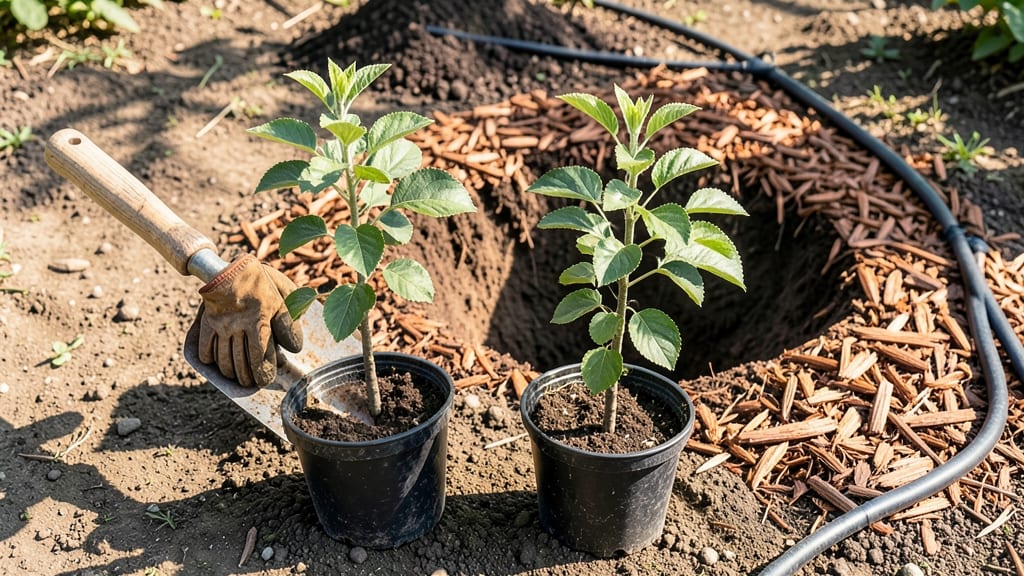
Planting your fruit trees at the wrong time in Washington State could mean the difference between a thriving orchard and years of frustration. The Pacific Northwest’s unpredictable weather—from late frosts in the valleys to early chills in the mountains—demands precision when choosing your planting window.
You’ve probably heard the general advice to plant in fall or early spring, but Washington’s USDA Zones 6-8 add layers of complexity. Whether you’re growing sweet cherries in the Yakima Valley or crisp apples near the Puget Sound, timing matters more than you think.
I’ll break down the exact months to plant based on your location, whether you’re working with bare-root saplings or container-grown trees. Plus, I’ll share pro tips to avoid common mistakes that even experienced gardeners make.
Ready to set your fruit trees up for peak blooming success? Let’s get started with the best planting schedule for your corner of Washington.
Best planting months for fruit trees by Washington State USDA Zones
Washington State spans USDA Zones 4 through 8, creating unique challenges for fruit tree planting. The Pacific Northwest’s wet, mild winters contrast sharply with Eastern Washington’s dry, cold winters, so timing matters.
Most fruit trees thrive when planted during dormancy—either late fall or early spring—when roots can establish before active growth. However, bare-root vs. container-grown trees also shifts the ideal window.
For bare-root trees, the best time is late winter to early spring (February–April), while container-grown trees offer more flexibility, allowing planting from fall through early summer. Soil temperatures below 40°F slow root growth, so avoid planting in freezing conditions.
In Zone 4 (Northern WA), focus on October–November or March–April, while Zone 8 (Yakima Valley) can extend planting into early December or late February.
🌱 Washington State Fruit Tree Planting Guide by USDA Zone
| Zone | Best Planting Window | Soil Temp Threshold | Key Considerations |
|---|---|---|---|
| 4 (North WA) | Oct–Nov or Mar–Apr | Above 40°F | Risk of late frost; prioritize cold-hardy varieties like Apples or Cherries. |
| 5 (Western WA) | Oct–Dec or Feb–Mar | Above 45°F | Mild winters; Peaches and Plums thrive here. |
| 6 (Cascade Foothills) | Sep–Nov or Mar–Apr | Above 50°F | Variable microclimates; test soil drainage to avoid waterlogging. |
| 7 (Eastern WA) | Oct–Nov or Feb–Mar | Above 40°F | Dry climate; mulch heavily to retain moisture for Apricots. |
| 8 (Yakima Valley) | Sep–Dec or Jan–Feb | Above 50°F | Hot summers; plant Pears and Apples in partial shade. |
🌡️ Pro Tip: Use a soil thermometer to confirm ground temps before planting.
In Western Washington, where mild, wet winters dominate, focus on October–November planting to avoid late-season rains, which can stunt root growth. For Eastern Washington’s drier climate, September–October is ideal to capitalize on fall rains before winter dormancy.
Always check your local last frost date—Western WA averages March 15, while Eastern WA pushes to April 15.
If you’re planting container-grown trees, the window expands to spring through early summer, but avoid peak summer heat (June–August), which stresses young roots. Apples and Pears adapt well to fall planting, while Peaches and Plums prefer early spring to escape late frosts.
For Cherries, time planting to avoid bloom periods—plant in fall to establish roots before spring flowering.
One critical mistake? Planting too early when soil is still frozen or too late when new growth is imminent. In Zone 5–6, early spring planting (March) risks frost damage to emerging buds, while Zone 7–8 can extend planting into early December if soil temps stay above 40°F.
Always prioritize root establishment over shoot growth—a tree with strong roots before spring will outperform one planted too late.
For bare-root trees, soak roots in water for 1–2 hours before planting to revive dormancy. In container-grown trees, remove the pot and loosen roots gently to encourage spread.
Amend planting holes with compost or well-rotted manure to improve drainage, especially in clay-heavy soils common in Western WA. After planting, water deeply
How to adjust planting timing for specific fruit tree varieties
Washington’s microclimates mean your cherry tree in Spokane thrives on a different schedule than your apple tree in Seattle. Early bloomers like cherries and plums (USDA Zones 5-8) need planting in late winter (February-March) to establish roots before their spring flowering.
Late bloomers like apples and pears (Zones 5-9) can handle fall planting (October-November) since they bloom later.
For cold-hardy varieties like Sour Cherries or Honeycrisp Apples, aim for bare-root planting in late winter when soil temps hover around 40°F. Heat-sensitive peaches or nectarines (Zones 7-8) prefer spring planting (March-April) to avoid late frost damage to blossoms.
🌱
Plant bare-root in February-March (Zones 5-8). Avoid fall planting—frost risks bloom damage.
Ideal for fall (Oct-Nov) or early spring (Zones 5-9). Container-grown trees can plant year-round.
Wait for spring (March-April) in Zones 7-8. Late frosts kill blossoms—protect with frost cloth if needed.
Plant anytime except winter. Smaller root systems recover faster from transplant shock.
Washington’s Puget Sound region (Zone 7-8) has milder winters, so you can push fall planting into November for apples. But in Eastern WA (Zones 5-6), stick to October to avoid early frosts.
For container-grown trees, adjust timing—plant anytime soil isn’t frozen, but spring gives them time to root before summer heat.
Pro tip: Check your last frost date (e.g., March 15 in Seattle vs. April 15 in Yakima). If planting cherries, delay until 2 weeks after your area’s last frost to protect blossoms. For apples, fall planting lets roots establish before spring growth begins.
🌿
For container-grown trees, timing flexibility is key. Plant apples or pears in late fall (November) or early spring (March) to avoid dormancy stress.
If you’re in Zone 8 (e.g., Walla Walla), peaches can even handle summer planting—just water deeply and mulch to retain moisture during hot, dry spells.