
Planting
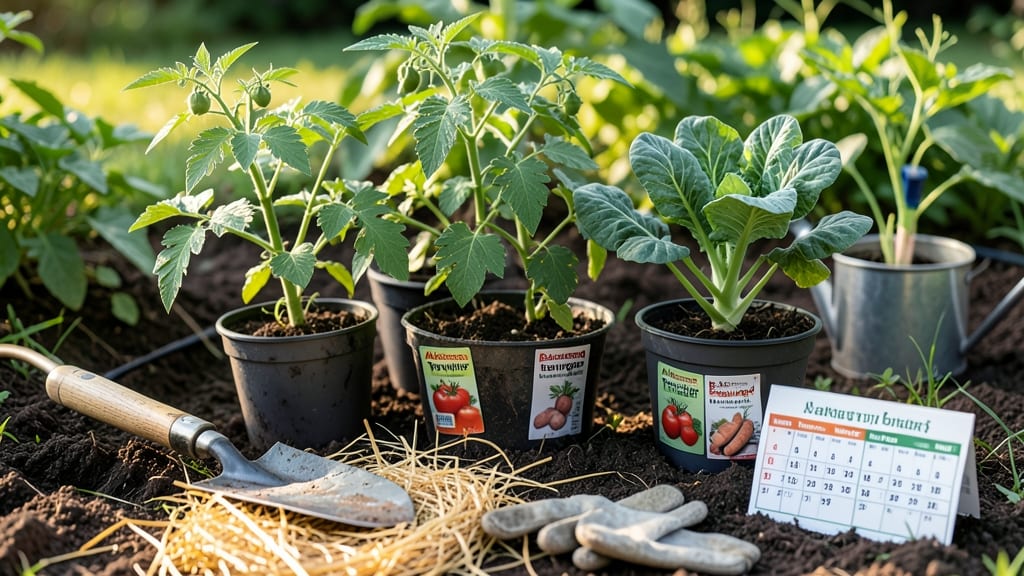
When to plant a garden in Arkansas right means the difference between a bumper crop and a sad, wilted disappointment. With USDA Zone 6b-8a’s wild swings from freezing winters to scorching summers, getting those seeds in the ground at the perfect moment is non-negotiable.
I’ve spent years watching Arkansas gardens thrive—and fail—because of planting mistakes. Whether you’re dreaming of crisp spring lettuce or juicy summer tomatoes, knowing when to plant isn’t just about dates—it’s about reading your soil, tracking frost warnings, and working with Arkansas’s unique microclimates.
In this guide, I’ll break down the exact windows you need to plant everything from cool-season greens to heat-loving peppers, plus how to adjust for Arkansas’s unpredictable weather. No more guessing—just zero-frost success every time.
Ready to turn your garden into a year-round harvest? Let’s get those seeds in the ground the right way.
Arkansas planting deadlines by season: USDA Zone 7b frost dates explained
Understanding Arkansas frost dates is your first step to a bountiful garden. The last average frost typically falls between March 15 and April 15, while the first frost arrives between October 15 and November 15.
These dates create your planting windows—miss them, and your crops may suffer from frost damage or bolt in the heat.
In USDA Zone 7b, Arkansas gardeners must work with a 180-240 frost-free day window. Northern regions like the Ozark Mountains have shorter windows, while southern areas like the Arkansas River Valley enjoy longer growing seasons. Always check local Arkansas Cooperative Extension resources for microclimate adjustments.
For cool-season crops like lettuce, spinach, and peas, plant 4-6 weeks before the last frost. These hardy plants tolerate light frosts and thrive in 50-65°F soil temperatures.
Warm-season crops such as tomatoes, peppers, and okra need to wait until soil temperatures hit at least 60°F—usually after April 15.
Here’s how Arkansas’ frost dates break down by season:
In the Ozark Mountains, gardeners should push planting dates 2 weeks later due to cooler microclimates. Meanwhile, the Arkansas Delta can start warm-season crops 2 weeks earlier thanks to its longer frost-free season. Always monitor soil temperatures with a thermometer—this is more reliable than air temperature for planting decisions.
For perennial plants like asparagus or strawberries, establish them in early spring (March) so they have time to root before summer’s heat. Bulbs like tulips should be planted in fall (October) to naturalize for spring blooms.
Pro tip: Use row covers or black plastic mulch to extend your planting window by 2-4 weeks in both spring and fall. This helps protect tender seedlings from unexpected late frosts or early heatwaves, which are common in Arkansas.
Remember, Arkansas’ unpredictable weather means flexibility is key. If a frost warning appears after your last frost date, cover vulnerable plants with frost cloth or move potted plants indoors. With these deadlines in mind, you’ll maximize your garden’s potential and avoid the heartbreak of lost crops.
Best month-by-month planting schedule for Arkansas gardens
Arkansas’s long growing season lets you plant almost year-round, but timing matters. My month-by-month schedule covers what to sow indoors, direct-seed, or transplant for maximum harvests—from cool-season greens in spring to heat-loving okra in summer.
Start with February prep: Harden off seedlings indoors for March transplants. Southern Arkansas can plant spinach and peas as early as February 15, while northern areas wait until March 1. Use row covers to protect tender shoots from late frosts.
🌱 Arkansas Planting Timeline
- Feb: Start tomatoes, peppers, broccoli indoors; direct-sow onions, peas in south.
- Mar: Transplant cool crops (lettuce, cabbage); direct-sow radishes, carrots.
- Apr: Plant warm crops (beans, squash) after last frost; succession-sow greens.
- May: Direct-sow sweet potatoes, okra; transplant tomatoes, peppers.
- Jun-Jul: Succession-plant beans, cucumbers, basil for fall harvests.
- Aug: Start fall broccoli, kale indoors; direct-sow turnips, beets.
April is critical for warm-season crops. Wait until soil hits 60°F (use a soil thermometer) before planting tomatoes, peppers, and eggplants. In Arkansas, this typically means April 15–30, but northern regions may wait until May 1.
My okra and sweet potatoes thrive when planted in late April to early May.
Don’t overlook succession planting! Arkansas’s heat means 30-day crops like radishes and lettuce bolt quickly. Sow every 2 weeks from March through July to keep harvests flowing. For fall gardens, start broccoli and cabbage indoors in July and transplant in August.
Extend your season with black plastic mulch or row covers. These tricks let me grow spinach until Thanksgiving and kale through December in most of Arkansas. Just remember: first frost hits November 15–December 1, so plan accordingly.
Pro tip: Use Arkansas Cooperative Extension’s frost date maps to fine-tune your schedule. Their localized advice accounts for microclimates—like the warmer Delta vs. cooler Ozarks. Happy planting! 🌱