
Planting
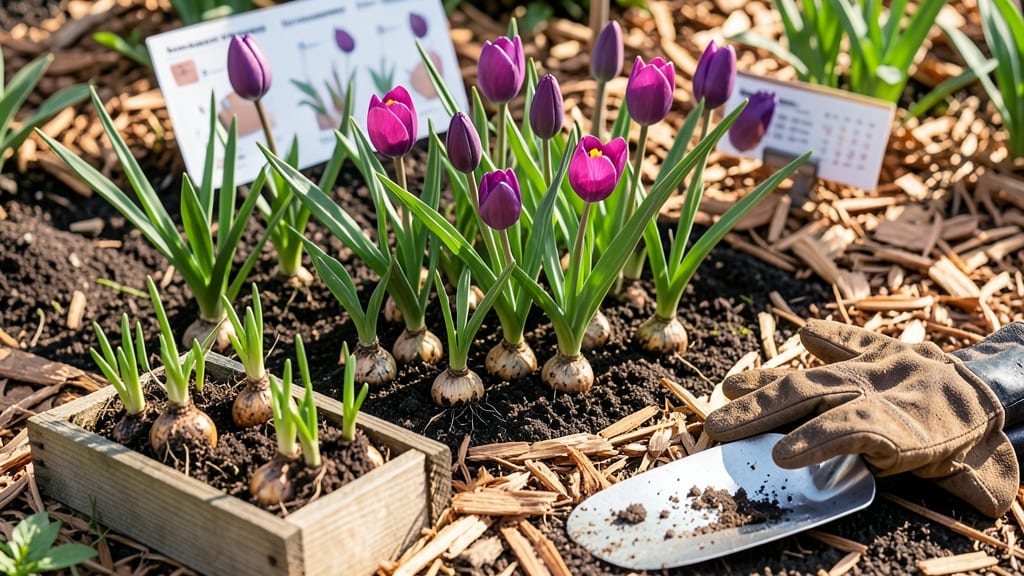
Knowing when to plant a garden in Connecticut can make the difference between a thriving harvest and a wasted season—and getting those last frost dates wrong is the #1 mistake gardeners make.
Whether you're dreaming of juicy tomatoes or vibrant 🌱 General Garden Plants, planting too early risks frost damage, while waiting too long cuts your harvest short.
Connecticut’s 5b-6b climate zone gives you a 160-180 frost-free days window, but that doesn’t mean every plant thrives at the same time.
Cool-season crops like spinach and peas love the late April–mid-June window, while tomatoes and peppers need to wait until after the last frost—usually mid-May—to avoid stunted growth.
But here’s the kicker: even within Connecticut, frost dates vary by region. Coastal areas warm up faster than inland spots, and microclimates can shift planting times by weeks. I’ll break down exactly when to plant—plus how to extend your season—so you can maximize every square foot of your garden.
Ready to stop guessing and start growing? Let’s dive into the perfect planting schedule for your Connecticut garden, tailored to what actually works in Zone 5b-6b.
Connecticut last frost dates by region: when to plant cool vs warm season crops
Connecticut’s last spring frost dates vary dramatically across its three distinct regions—coastal areas like New London typically thaw by April 15, while inland zones near Hartford wait until May 1, and northern regions like Torrington may see frost as late as May 15.
These dates determine whether your cool-season crops (like spinach and peas) or warm-season favorites (tomatoes and peppers) will thrive.
Understanding these regional differences is critical because planting tomatoes or peppers too early can kill tender seedlings, while lettuce or kale planted after the last frost may bolt prematurely.
The first fall frost also shifts—coastal areas freeze by September 20, while inland regions face frost by October 10, forcing gardeners to adjust harvest timelines.
Here’s how to align your planting with Connecticut’s microclimates and frost-free windows:
| Region | Last Spring Frost | First Fall Frost | Cool-Season Plants (Direct Sow) | Warm-Season Plants (Transplant) |
|---|---|---|---|---|
| Coastal (New London, Groton) | April 15 | September 20 | Spinach, Peas (March 15–April 30) | Tomatoes, Peppers (May 1–May 15) |
| Inland (Hartford, New Haven) | May 1 | October 10 | Lettuce, Radishes (April 1–May 10) | Cucumbers, Beans (May 15–June 1) |
| Northern (Torrington, Waterbury) | May 15 | October 1 | Broccoli, Kale (April 15–May 1) | Squash, Corn (June 1–July 1) |
*Dates are averages—check Almanac’s CT frost calculator for yearly updates.
For coastal Connecticut, the earlier frost dates mean you can start direct-sowing peas as early as March 15 and transplant tomatoes by May 1.
In contrast, northern CT gardeners should wait until May 15 for warm-season crops and prioritize fast-maturing varieties like ‘Early Girl’ tomatoes or ‘Bush Bean’ to avoid late-season frost risks.
Pro tip: Use row covers to extend your cool-season planting window by 2–3 weeks. For example, you can plant spinach under covers in late February in coastal areas, giving you an earlier harvest. Just remove covers when flowers appear to prevent bolting.
Warm-season crops like butternut squash and corn need soil temperatures above 60°F to germinate. Inland CT’s May 15 last-frost date means you should wait until June 1 to plant these heat-lovers, while northern regions may need to start seeds indoors in April for a timely transplant.
Don’t overlook fall planting—coastal areas can still direct-sow radishes or kale until September 1, while inland zones should finish by August 15. Use cold-hardy varieties like ‘Winterbor’ kale or ‘Daikon’ radishes to maximize your harvest before frost.
Track your local frost dates using the CT Agricultural Experiment Station’s frost maps or set up a min/max thermometer in your garden. Adjusting for microclimates—like warmer urban areas or shaded spots—can add 1–2 weeks to your planting window.
Remember: Frost dates shift yearly. If you’re new to CT gardening, start with cold-hardy crops like peas or lettuce in early spring, then gradually introduce warm-season plants as temperatures rise. Patience pays off—your tomato plants will thank you!
Best planting schedule for Connecticut gardens: month-by-month guide
Planning your Connecticut garden by the month is the key to avoiding frost damage and maximizing harvests. Unlike warmer climates, CT’s short growing season (about 160–180 frost-free days) demands precision.
I’ve broken down the best times to plant everything from cool-season greens to heat-loving tomatoes, plus when to start seeds indoors for a head start.
March is all about preparation: amend soil, prune perennials, and start cold-hardy seeds (like peas and spinach) indoors. By mid-April, coastal areas can direct-sow lettuce and radishes, while inland regions should wait until early May.
The golden rule? Wait until soil warms to 50°F—use a soil thermometer to check!
🌱Pro Tip: Use row covers or cold frames to extend early planting windows by 2–3 weeks for delicate crops like broccoli or cabbage. These tools create microclimates that shield plants from late frosts.
Here’s your month-by-month planting timeline for Connecticut gardens, tailored to avoid frost and optimize growth:
For succession planting, focus on fast-growing crops like bush beans, lettuce, and radishes. Sow new seeds every 2–3 weeks from May through August to ensure a continuous harvest. For example, plant radishes every 10 days—they’re ready in just 30 days!
🌿CT-Specific Tip: Butternut squash thrives in Connecticut’s climate but needs a long season. Start seeds indoors in March, transplant in June, and expect harvests in October. If you miss this window, opt for shorter-season varieties like ‘Waltham’ butternut (75 days to maturity).
By following this schedule, you’ll avoid the #1 gardening mistake in CT: planting too early and losing crops to frost. Mark your calendar for May 15 (last frost average) and September 20 (first frost warning), and adjust based on your microclimate—coastal areas stay warmer longer than inland spots.